
Punch and Judy — traditional British glove-puppet show
Punch and Judy is a long-standing British seaside puppet entertainment featuring glove puppets, a portable booth, comic slapstick and a single unseen performer known as the Professor.
Overview
Punch and Judy is a traditional British puppet show historically associated with seaside resorts, fairs and street entertainment. A single operator, often calling himself the Professor or Punchman, performs a sequence of short comic scenes from behind a small portable booth. The storytelling relies on rapid dialogue, exaggerated action and physical comedy rather than elaborate scenery.
Image gallery
10 Images





Characters and staging
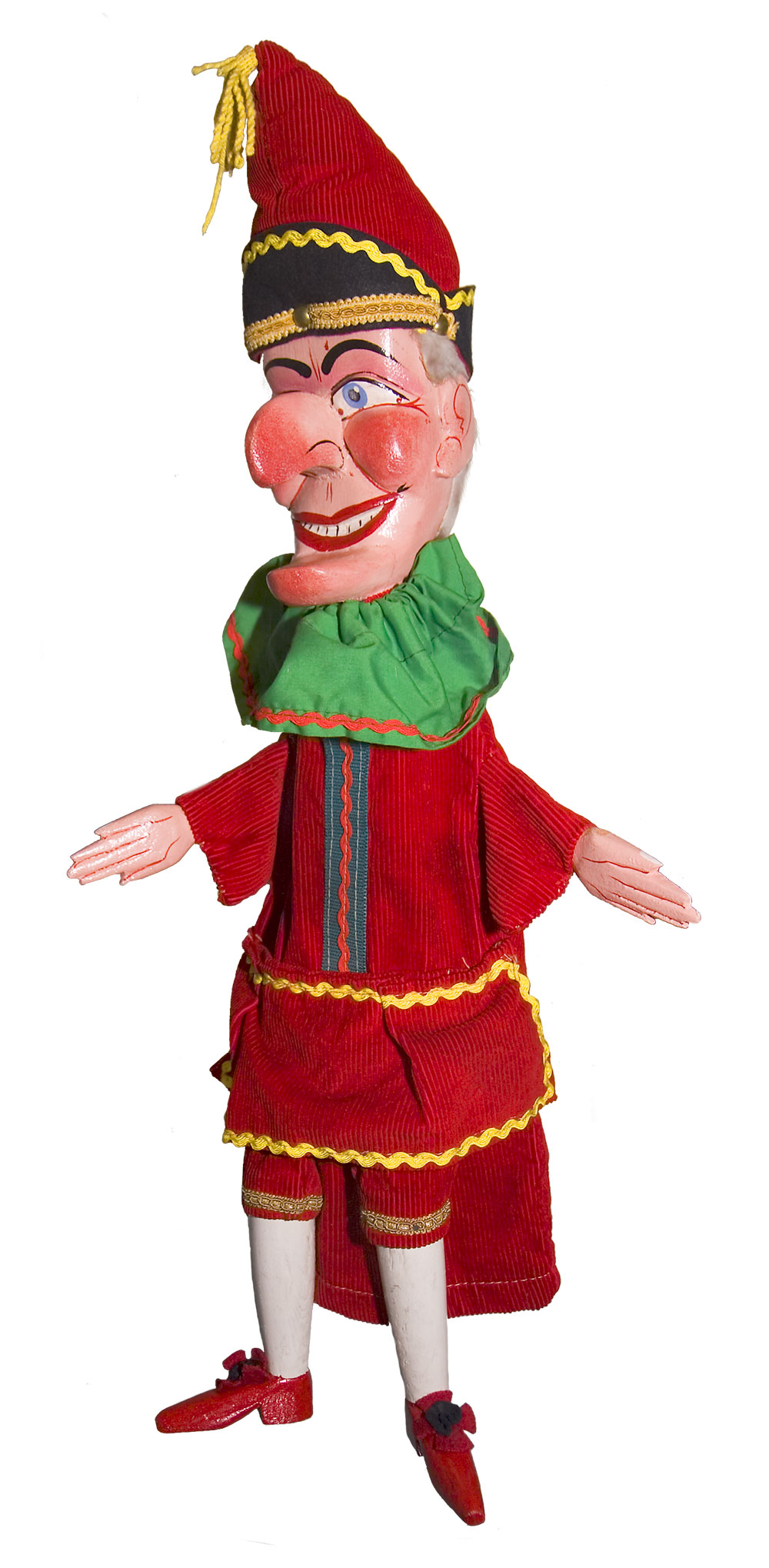
The figures in a Punch and Judy performance are typically glove puppets, fitted over the puppeteer’s hand so the performer controls arms and head directly. The central figure is Mr Punch, a loud, cantankerous character with a hooked nose and a distinctive high-pitched voice. Other recurring characters include Judy (his wife), the baby, a constable or policeman, a doctor, a judge, and various comic or monstrous figures such as a crocodile. The show is staged in a compact, often brightly painted booth with a curtain; the Professor remains unseen and supplies all voices and sound effects.
Origins and history
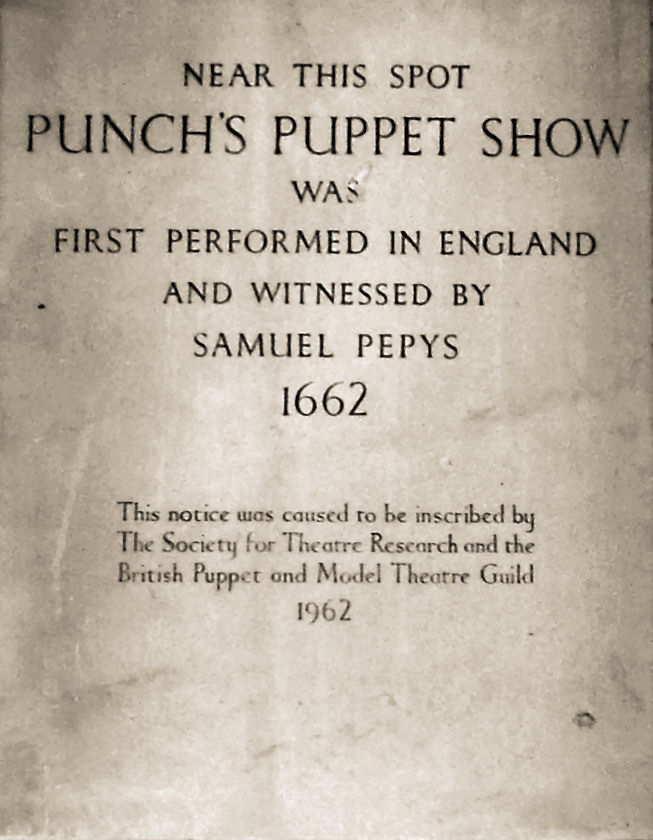
The Punch figure descends from the Italian commedia dell'arte character Pulcinella, introduced into England in the 17th century and adapted into local puppet traditions. Early English references to Punch-style performances appear in the 1600s; the character and format evolved through the 18th and 19th centuries and became especially associated with Victorian seaside entertainment. Over time the script developed a stock of short scenes and catchphrases that audiences came to expect.
Performance style and cultural role
Shows are lively and fast-paced, using a combination of dialogue, slapstick props (notably a short wooden stick called a "slapstick"), and physical comic violence played for laughs. The format is flexible: routines are improvised around familiar beats, allowing the puppeteer to adapt jokes for different audiences. Punch and Judy has functioned as simple family entertainment, a fixture of summer resorts, and a rite of passage for generations of British children.
Controversies and modern practice
The show’s themes of domestic quarrel and rough humor have drawn criticism in modern times for depicting violence and, historically, for including caricatures now regarded as insensitive. Contemporary performers often adapt scripts to soften or revise contentious material while keeping the core characters and comic energy. Enthusiasts and preservation groups work to document techniques, teach new puppeteers and maintain the tradition as part of folk and popular culture.
Notable facts
Punch and Judy remains a recognizable element of British cultural history: its portable booth, glove-puppet technique and the unseen solo performer known as the Professor are key identifiers. The format’s long survival owes much to its adaptability, simple staging and broad appeal to children and adults seeking quick, physical comedy.
Questions and answers
Q: What is Punch and Judy?
A: Punch and Judy is a popular puppet show loved by children in Britain.
Q: Where is Punch and Judy traditionally performed?
A: Punch and Judy is traditionally performed at the seaside in a small booth.
Q: What type of puppets are used in Punch and Judy?
A: The characters in Punch and Judy are all glove puppets.
Q: Who tells the story of Punch and Judy?
A: The story of Punch and Judy is told by a man who calls himself "The Professor".
Q: Can "The Professor" be seen during the performance?
A: No, "The Professor" cannot be seen during the performance.
Q: How does "The Professor" make the puppets move during the performance?
A: "The Professor" wears the puppets on his hand like gloves and makes them move.
Q: Is Punch and Judy easy to transport?
A: Yes, Punch and Judy is easily transportable due to its small booth.
Related articles
Author
AlegsaOnline.com Punch and Judy — traditional British glove-puppet show Leandro Alegsa
URL: https://en.alegsaonline.com/art/80051
Sources
- smithsonianmag.com : Are Punch and Judy Shows Finally Outdated?