
Poaceae (Gramineae): the grass family
Poaceae, or Gramineae, is the global family of true grasses—diverse, widespread, and central to ecosystems and human economies, including cereals, bamboos, turf, and forage.
Overview
Poaceae, commonly called the grasses and sometimes referred to by the older name Gramineae, are the family of true grasses. This large group of monocot flowering plants contains roughly 12,000 species in about 780 genera, making it one of the most diverse and widespread plant families on Earth. Grasses dominate many landscapes and provide foundational ecological functions as well as a large share of humanity's basic foods and raw materials.
Image gallery
10 Images





Key characteristics
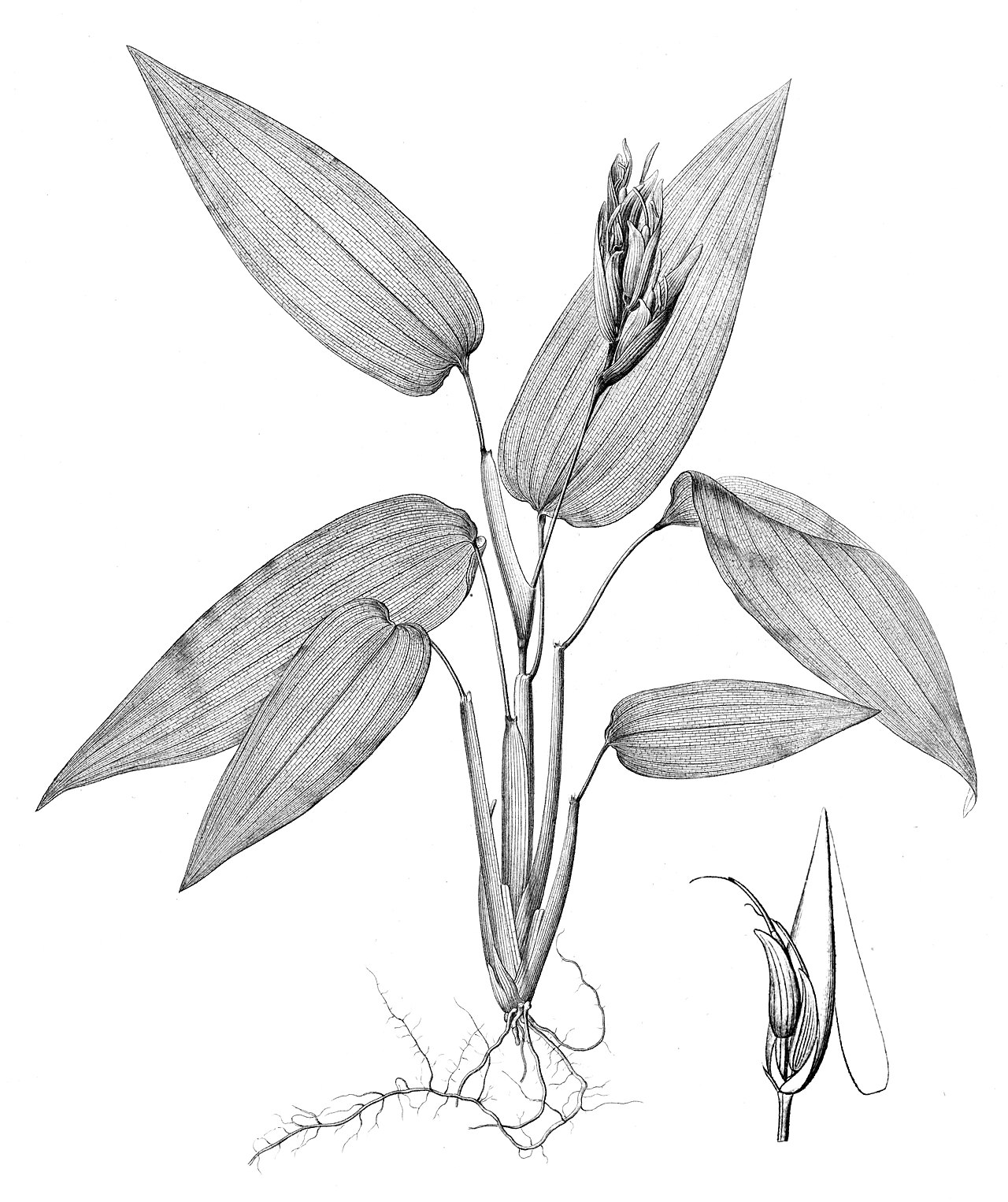
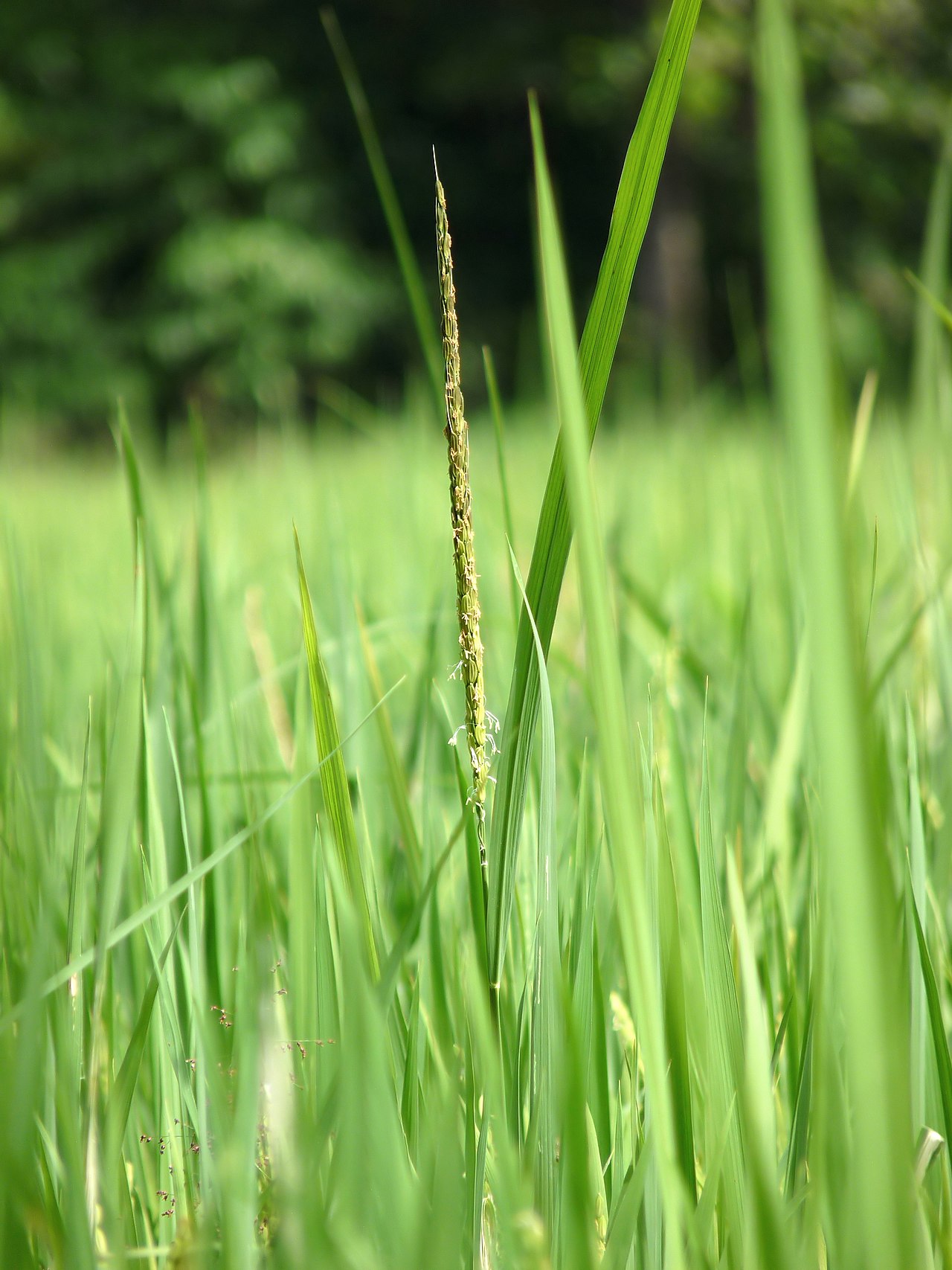
Members of Poaceae share a set of structural features that distinguish them from other plant families. Typical grasses have jointed, often hollow stems (culms) with nodes and internodes; leaves that are two-ranked with a basal sheath and an extended blade; and a small outgrowth called a ligule at the junction of sheath and blade. The flowers are usually arranged in spikelets and are often reduced and wind-pollinated, producing a single-seeded fruit type known as a caryopsis (the grain).
Distribution, habitats and diversity
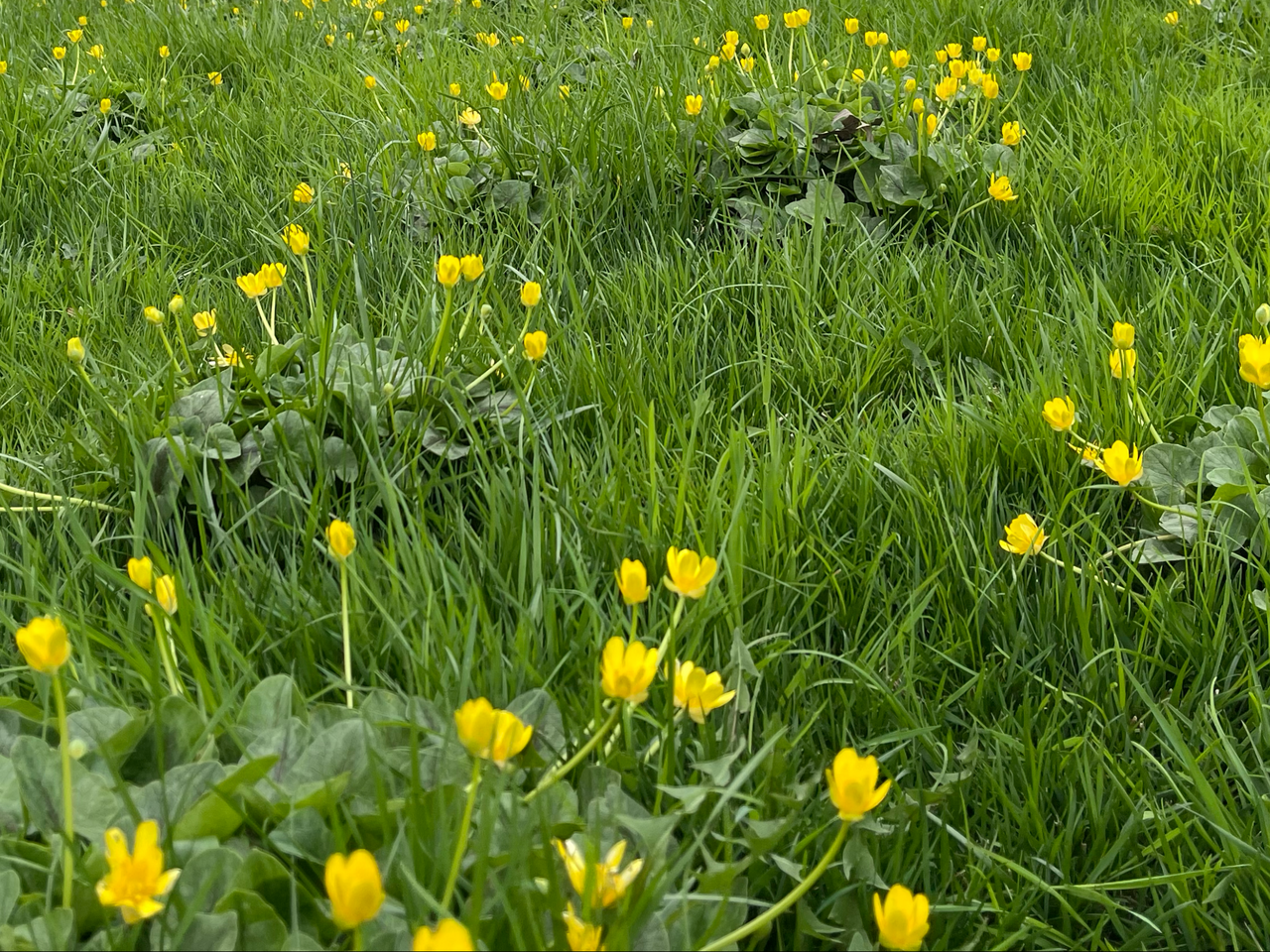
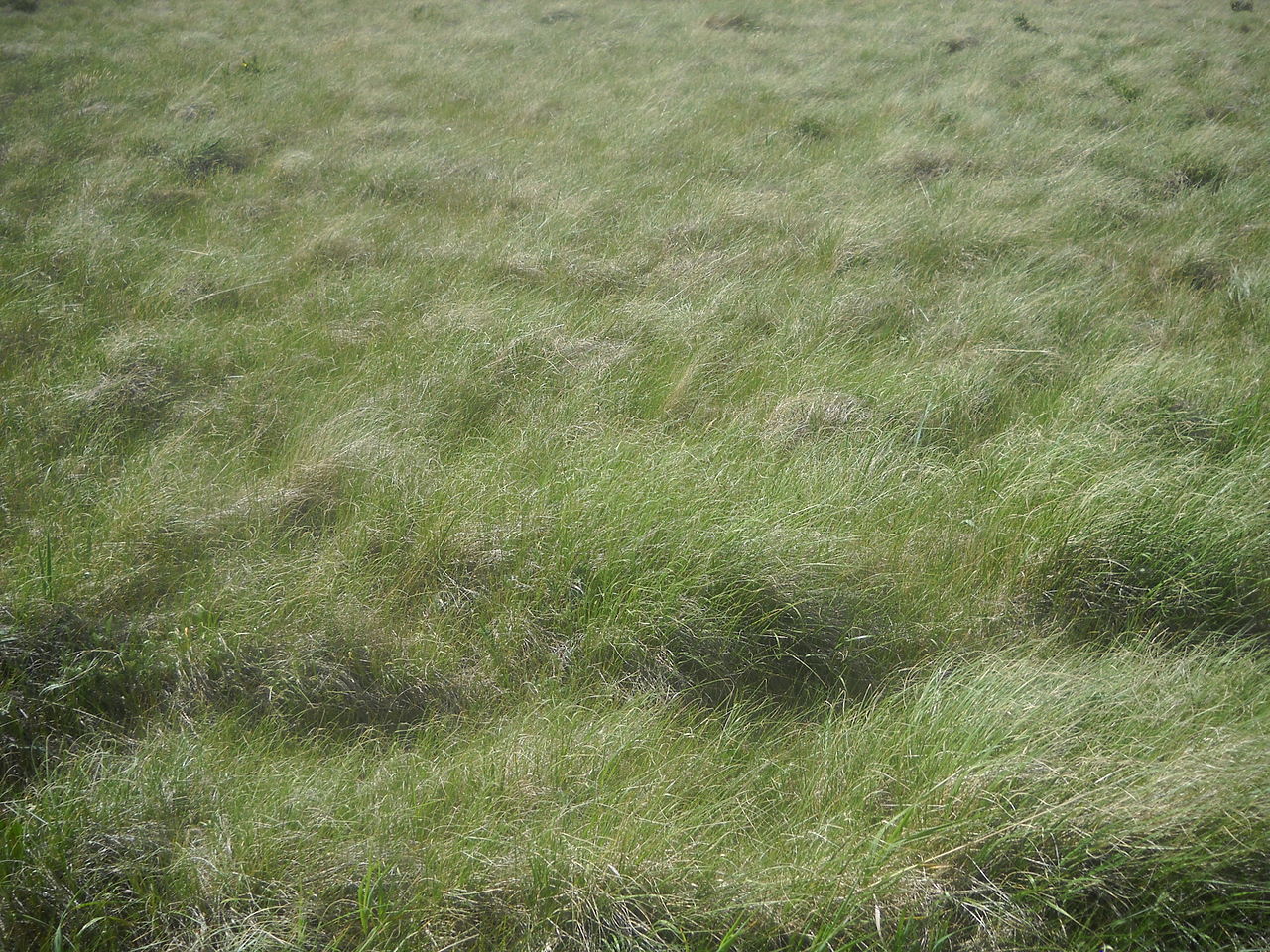
Grasses occur in virtually every terrestrial habitat: open grasslands, savannas and steppes; wetlands and floodplains; forest understories; alpine and arctic tundra; and even in disturbed urban areas. Grasslands alone cover a substantial fraction of the Earth's vegetation, and species within Poaceae have evolved to thrive from wetlands to deserts. The family includes familiar forms such as turf grasses, cereal crops, and bamboos, the latter representing woody members that can reach tree-like size.
Uses and importance
The economic and cultural importance of Poaceae is immense. Cereals derived from grasses—rice, wheat, maize (corn), and various millets—are staple foods for much of the world. Beyond human food, grasses supply forage for livestock, materials for construction and crafts (notably bamboo and thatch), raw material for paper and fiber in some regions, and feedstocks for biofuels such as ethanol. Grasses are also widely used for lawns, sports turf, and erosion control, and they play crucial roles in carbon cycling and soil stability.
History, domestication and cultural impact
Several grass species were independently domesticated in different regions, giving rise to the major cereal crops that underpin modern agriculture. The cultivation and selective breeding of grasses shaped early human settlement, food production systems, and social development. Over time, selective improvement produced high-yielding cultivars for varied climates and farming systems, while wild relatives remain important reservoirs of genetic diversity used in crop breeding.
Notable distinctions and facts
Although rushes and sedges resemble grasses in habit, Poaceae are a distinct family with diagnostic floral and vegetative traits. Many grasses use either the C3 or C4 photosynthetic pathways; C4 grasses are particularly successful in hot, dry environments and contribute disproportionately to tropical grassland productivity. Some bamboo species are semelparous, flowering infrequently in long cycles. Grasses can be both keystone species in ecosystems and invasive pests in new settings when introduced beyond their native ranges.
Further reading and resources
- General overview of Poaceae
- Monocotyledons and their characteristics
- Species diversity estimates
- Rushes (comparison)
- Sedges (comparison)
- Grassland ecosystems
- Global vegetation and distribution
- Wetland grasses and their roles
- Forest understory grasses
- Tundra and alpine grass species
- Cereal domestication overview
- Maize (corn) as a global crop
- Wheat and its varieties
- Rice cultivation and ecology
- Bamboo uses and biology
- Grasses as biofuel sources
Related articles
Author
AlegsaOnline.com Poaceae (Gramineae): the grass family Leandro Alegsa
URL: https://en.alegsaonline.com/art/77556
Sources
- mobot.org : "Angiosperm Phylogeny Website"
- species.wikimedia.org : Poaceae