
Ethanol (ethyl alcohol): properties, production, uses, and safety
Ethanol is a colorless, flammable alcohol used in beverages, solvents, fuels and antiseptics. This article explains its chemistry, production, history, common uses, and safety distinctions.
Overview
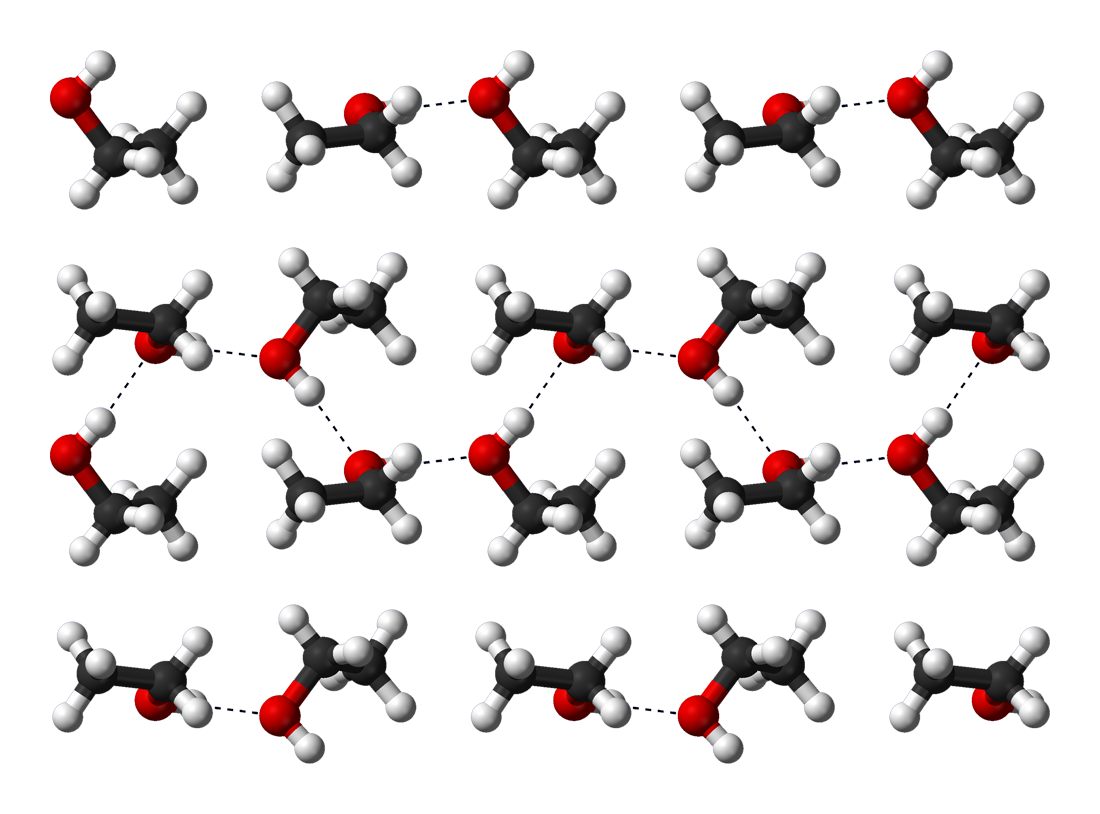
Ethanol, commonly called ethyl alcohol or simply alcohol, is a clear, volatile liquid that occurs naturally in fermented foods and drinks. Its widely used molecular representation is C2H5OH, built from two carbon atoms C2, five hydrogen atoms H5 and one oxygen atom O. Ethanol is the intoxicating ingredient in alcoholic beverages and is produced globally for many industrial and consumer purposes.
Image gallery
10 Images



Chemical and physical characteristics
Ethanol is miscible with water and many organic solvents, making it a versatile carrier and cleaning agent. It is flammable and evaporates readily at ambient temperatures. Compared with other small alcohols it is less toxic than methanol but can still cause harmful effects when consumed or inhaled in large amounts. Its solvent properties explain widespread use across laboratories, manufacturing and household products.
History and production
Humans have used ethanol for millennia through natural fermentation. Over time, techniques like distillation increased its concentration and utility. Today ethanol is produced mainly in two ways: biological fermentation of sugars by yeast fermentation, and industrial synthesis from petrochemical feedstocks. Historical and commercial developments have shaped its role from traditional beverages to modern fuels and industrial chemicals.
Main uses
- As the psychoactive component of alcoholic beverages and in food processing.
- As a polar solvent used in pharmaceuticals, cosmetics, paints and laboratory reagents.
- As a renewable fuel component and additive in gasoline blends to reduce emissions and boost octane.
- In antiseptics, hand sanitizers and disinfectants because it denatures proteins and inactivates many microbes.
Safety, regulation and notable distinctions
Ethanol is regulated differently depending on its intended use: beverage-grade ethanol is subject to food and tax laws, while industrial ethanol may be denatured to discourage consumption. Unlike other small alcohols such as methanol, ethanol's toxicity profile is better understood but still serious in overdose. Its flammability requires careful handling and storage, and many jurisdictions have rules for production, labeling and sale to manage health and safety risks. For broad context on consumption patterns consult resources about global consumption and public health guidance.
Further information
Researchers and practitioners consult technical references for detailed properties and safe handling. Practical guides cover ethanol's roles in industry, energy and medicine, while historical surveys trace its cultural importance. For summaries of laboratory-grade and commercial specifications see resources on solvent applications and fuel standards, or introductions to yeast fermentation methods.
Questions and answers
Q: What is ethanol?
A: Ethanol is a flammable, colorless chemical compound that is also known as ethyl alcohol or grain alcohol.
Q: What is the chemical formula for ethanol?
A: The chemical formula for ethanol is C2H5OH or C2H6O.
Q: What is the active part of alcoholic drinks?
A: The active part of alcoholic drinks is ethanol.
Q: Why is ethanol used as a solvent?
A: Ethanol is used as a solvent because it can dissolve many other chemicals and is not very toxic.
Q: Who makes most of the ethanol that people use?
A: Yeast makes most of the ethanol that people use.
Q: What are some other names for ethanol?
A: Other names for ethanol include ethyl alcohol, grain alcohol, and just alcohol.
Q: Is ethanol toxic?
A: Ethanol is not very toxic, which is why it is commonly used as a solvent. However, excessive consumption of ethanol can be harmful and even deadly.
Related articles
Author
AlegsaOnline.com Ethanol (ethyl alcohol): properties, production, uses, and safety Leandro Alegsa
URL: https://en.alegsaonline.com/art/32369
Sources
- pubchem.ncbi.nlm.nih.gov : "Ethanol – Compound Summary"
- doi.org : 10.1021/ja01489a008
- doi.org : 10.1021/jo00158a001
- books.google.com : CRC Handbook of Chemistry and Physics
- books.google.com : CRC Handbook of Chemistry and Physics
- cdc.gov : "NIOSH Pocket Guide to Chemical Hazards #0262"
- renewableenergyaccess.com : America and Brazil Intersect on Ethanol
- images1.americanprogress.org : American energy: The renewable path to energy security