
Tundra: characteristics, types, ecology, and human impacts
A concise, neutral overview of tundra biomes: their types, climate, soils, plants and animals, human uses, and conservation concerns, with links for further reading.
The tundra is a climatic and ecological region defined by very cold temperatures, a short growing season and limited tree growth. The word "tundra" originates from a northern European term (often cited as tūndâr) for treeless uplands or plains. As a biome, the tundra is characterized by low vegetation stature, simple plant communities and seasonal pulses of biological activity during brief summers.
Image gallery
10 Images


Types and distribution
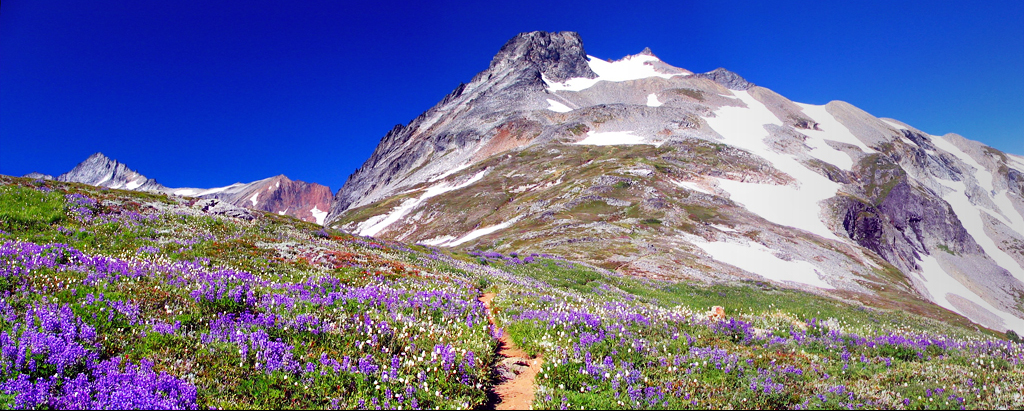
Broadly, tundra appears in three contexts. Arctic tundra rings the Arctic Ocean in the Northern Hemisphere and occurs across northern Eurasia and North America. Antarctic tundra is confined to ice-free coastal areas and subantarctic islands and supports sparse plant life where conditions allow. Alpine tundra is found at high elevations worldwide above the local tree line; it shares many ecological features with polar tundra despite different latitudes.
Climate, soils and permafrost
Tundra climates combine prolonged cold, strong winds and relatively low precipitation, so many areas are effectively polar deserts. Soils are often underlain by permafrost—soil or rock that remains at or below freezing for multiple years—which restricts drainage and root depth. In summer a shallow active layer thaws and supports plant growth, producing saturated soils, pools and patterned ground in places. Thawing permafrost can alter landscapes and release stored carbon.
Flora: life close to the ground
Plant life in tundra is dominated by low, hardy forms: mosses, lichens, sedges, grasses, cushion plants and dwarf shrubs such as small willows and birches. These species have short life cycles timed to the brief warm season, shallow roots adapted to the active layer, and growth forms that resist wind and conserve heat. Lichens often colonize rock and soil, and peat-forming mosses can create distinctive wet habitats in summer.
Fauna and adaptations
Animals of the tundra exhibit adaptations for extreme cold and seasonal resource variation. Many mammals have insulating fur and substantial fat reserves, some change color with the seasons, and many birds migrate to breed in summer. Typical Arctic species include lemmings, Arctic hares, reindeer (caribou), Arctic foxes, wolves and polar bears; coastal tundra interfaces support seals, walruses and seabirds. Antarctic terrestrial fauna are far sparser and are mainly invertebrates, mosses and seabirds plus marine mammals along coasts.
Human uses, culture and conservation
Indigenous peoples have lived in and adapted to tundra regions for millennia, relying on hunting, herding and seasonal harvesting. Modern activities include scientific research, tourism and resource extraction, each posing environmental challenges. Climate warming is rapidly changing tundra ecosystems: altered vegetation, permafrost thaw, and shifts in wildlife patterns are raising concerns for biodiversity, carbon feedbacks and infrastructure stability.
Notable features and distinctions
Tundra is defined not only by cold but by the absence or near-absence of tall trees; the transition to forest is called the tree line or timberline. Although tundra landscapes may appear barren, they perform important ecological roles: storing long-term carbon in frozen soils, providing breeding habitat for migratory species, and serving as sensitive indicators of climatic change.
Further reading and links
- Physical geography overview
- Tree growth limits and ecology
- Typical grasses and sedges
- Moss communities in cold regions
- Lichens and rock colonization
- Tree line and timberline concepts
- Circumpolar Arctic distribution
- Tundra climate patterns
- Seasonal camouflage and coloration
- Hibernation and seasonal strategies
- Rodent species and ecological roles
- Hares and lagomorph adaptations
- Mustelids and small carnivores
- Large predators in tundra ecosystems
- Arctic fox biology
- Bear species and polar ecology
- Walrus and coastal megafauna
- Seals, marine links to tundra coasts
- Birds of the tundra, including snowy owls
Questions and answers
Q: What is tundra?
A: Tundra is an area of land where tree growth is hindered by low temperatures and short growing seasons.
Q: Where does the term "tundra" come from?
A: The term "tundra" comes from tūndâr which means 'uplands, tundra, treeless mountains'.
Q: What are the three types of tundra?
A: The three types of tundra are Arctic tundra, Antarctic tundra, and alpine tundra.
Q: What type of plants grow in the tundras?
A: The plants that grow in the tundras are mostly grass, moss, and lichens. Trees also grow in some areas.
Q: What is the boundary between a forest and a tundra called?
A: The boundary between a forest and a tundra is known as the tree line or timberline.
Q: What kind of climate can be found in a tunda biome?
A: The climate in a tunda biome consists of freezing cold and dryness in the winter and cold summers.
Q: What type of animals live in the Tunda biomes?
A: Some examples of animals that live in the Tunda biomes are rodents, hares, sables, caribou, wolves, arctic foxes, bears, walruses seals ,and snowy owls.
Related articles
Author
AlegsaOnline.com Tundra: characteristics, types, ecology, and human impacts Leandro Alegsa
URL: https://en.alegsaonline.com/art/102017