
Platanus orientalis — the Oriental plane (chenar)
A large deciduous plane tree of Eurasia, known for its spreading crown, patchy bark, cultural history and use as a shade and avenue tree from the Balkans to Kashmir.
Overview
Platanus orientalis, commonly called the Oriental plane, plane tree or chenar, is a long-lived deciduous tree in the Platanaceae family. Valued for its broad, shady crown and distinctive exfoliating bark, it has been planted and admired for centuries across southern Europe and western Asia. The tree appears frequently in classical and medieval references under names derived from ancient Greek traditions: Europeans often use variants of Platane while Iranian and South Asian cultures commonly call it chenar.
Image gallery
10 Images




Physical characteristics
The Oriental plane is a large tree with a broad, spreading habit and a trunk that may become massive with age. Leaves are alternate and palmately lobed, giving a dense canopy of shade. The bark peels away in plates or flakes to reveal a mottled pattern of pale and darker patches, a key identifying feature. Reproductive structures take the form of nearly spherical seed clusters (multiple achenes) that hang from long stalks and can persist through winter. Flowers are small and wind-pollinated, with male and female flowers on the same tree (monoecious).
Distribution and habitat
Platanus orientalis is native to a broad Eurasian zone that centers on the Balkans and extends eastward. Classical references associate it with the Balkans, and its native range includes parts of southeastern Europe, the Caucasus and western Asia, reaching into regions of Iran and historically into Anatolia and beyond. Some floras and traditional accounts extend its occurrence toward Iberia in the west and the Himalayan area in the east. It commonly grows along waterways and floodplains (riverine habitats), often in mixed stands with species such as alder, willow and poplar, but it tolerates drier soils once established.
History, cultural significance and notable examples
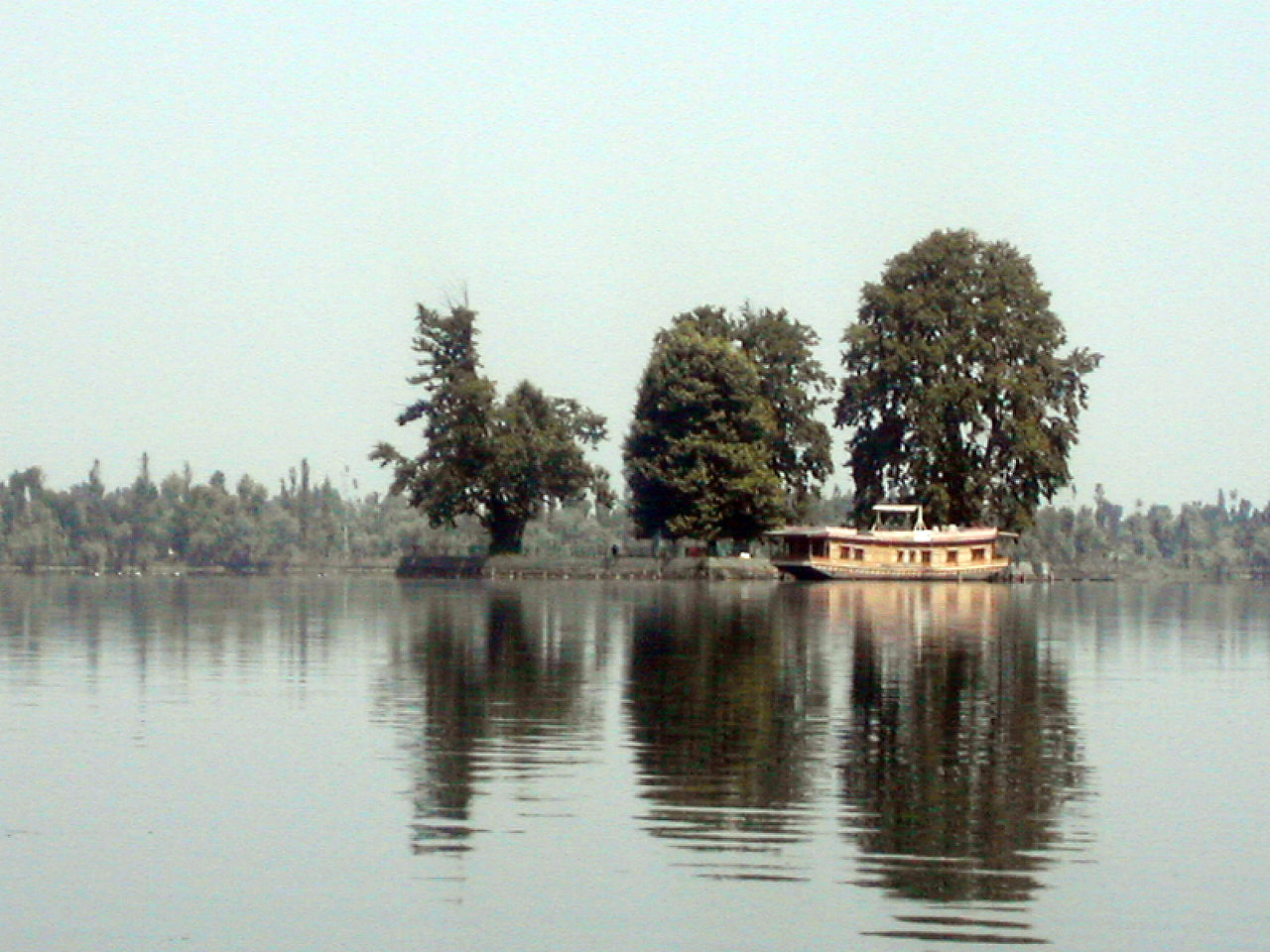
The Oriental plane has long been prominent in gardens, public squares and near religious or civic buildings across Greece, the Balkans, Anatolia, Persia and the Indian subcontinent. It figures in many local traditions and is often planted for shade and gathering places; for example, it is widely recognized in Kashmir where it is honored as the state tree. Classical authors used the name that later gave rise to modern European terms for plane trees, reflecting the species' importance in ancient landscapes.
Uses, cultivation and management
This species is widely grown as an ornamental and amenity tree for avenues, parks and large gardens because of its shade, attractive bark and resilience. It is also a parent in horticultural history: hybrids between Platanus orientalis and American plane species gave rise to cultivars used in temperate cities. Cultivated trees require room for their roots and crowns and are prone to some foliar and stem diseases under certain conditions; municipal planting programs consider species selection and maintenance to reduce such problems.
Distinctions and practical notes
- Identification: large palmate leaves, exfoliating patchy bark and dangling ball-like seed clusters distinguish this plane from other broad-leaved trees.
- Cultural role: a historic shade tree in Mediterranean and West Asian urban design and garden planning.
- Comparisons: the Oriental plane is closely related to other plane species and to cultivated hybrids often called London plane; these hybrids may show greater tolerance of urban pollution.
For further botanical details, cultivation advice and conservation status consult regional floras and specialist references: genus and family information is summarized by general plant resources (Platanus overview), while historical and horticultural notes are covered in landscape and garden literature (Kashmir and cultural notes).
Questions and answers
Q: What is Platanus orientalis and what is it known for?
A: Platanus orientalis is a large, deciduous tree of the Platanaceae family known for its longevity and spreading crown.
Q: Why is it called Platane in Europe?
A: Following Greek usage, Platanus orientalis is called Platane or related names in Europe.
Q: What is the native range of the Oriental plane?
A: The native range of Platanus orientalis is Eurasia from the Balkans to as far east as at least Iran, and some accounts extend its native range to Iberia in the west and to the Himalayas in the east.
Q: What types of settings is the Oriental plane found in naturally?
A: The Oriental plane is found naturally in riverine settings, together with such trees as alder, willow, and poplar.
Q: Is the Oriental plane capable of survival and success in dry soils?
A: Yes, Platanus orientalis is quite capable of survival and success in dry soils once it is established.
Q: Is Platanus orientalis recognized as the State tree of any region?
A: Yes, in Kashmir it is recognized as the State tree of the region.
Q: Why is Platanus orientalis called Chenar in the Iranian-speaking world?
A: Platanus orientalis is equally as famous to the Iranian-speaking world and from Turkey to Kashmir is called Chenar or related names, following the Iranian.
Related articles
Author
AlegsaOnline.com Platanus orientalis — the Oriental plane (chenar) Leandro Alegsa
URL: https://en.alegsaonline.com/art/77329
Sources
- ars-grin.gov : "USDA GRIN Taxonomy"