
Populus: the poplars, aspens and cottonwoods — natural history and uses
Populus is a northern-hemisphere genus of deciduous trees and shrubs including poplars, aspens and cottonwoods. This article summarizes their traits, ecology, uses and notable research.
Overview
Populus is a genus of deciduous trees and shrubs native across the temperate and boreal regions of the Northern Hemisphere. Members of the genus are commonly called poplars, aspens and cottonwoods and together make up a group of roughly 25–35 recognized species. The group is well known for rapid growth, early colonization of open sites and a prominent role in riparian and mixed-wood landscapes. For general taxonomic context see genus Populus and for species estimates consult species references.
Image gallery
10 Images



Key characteristics
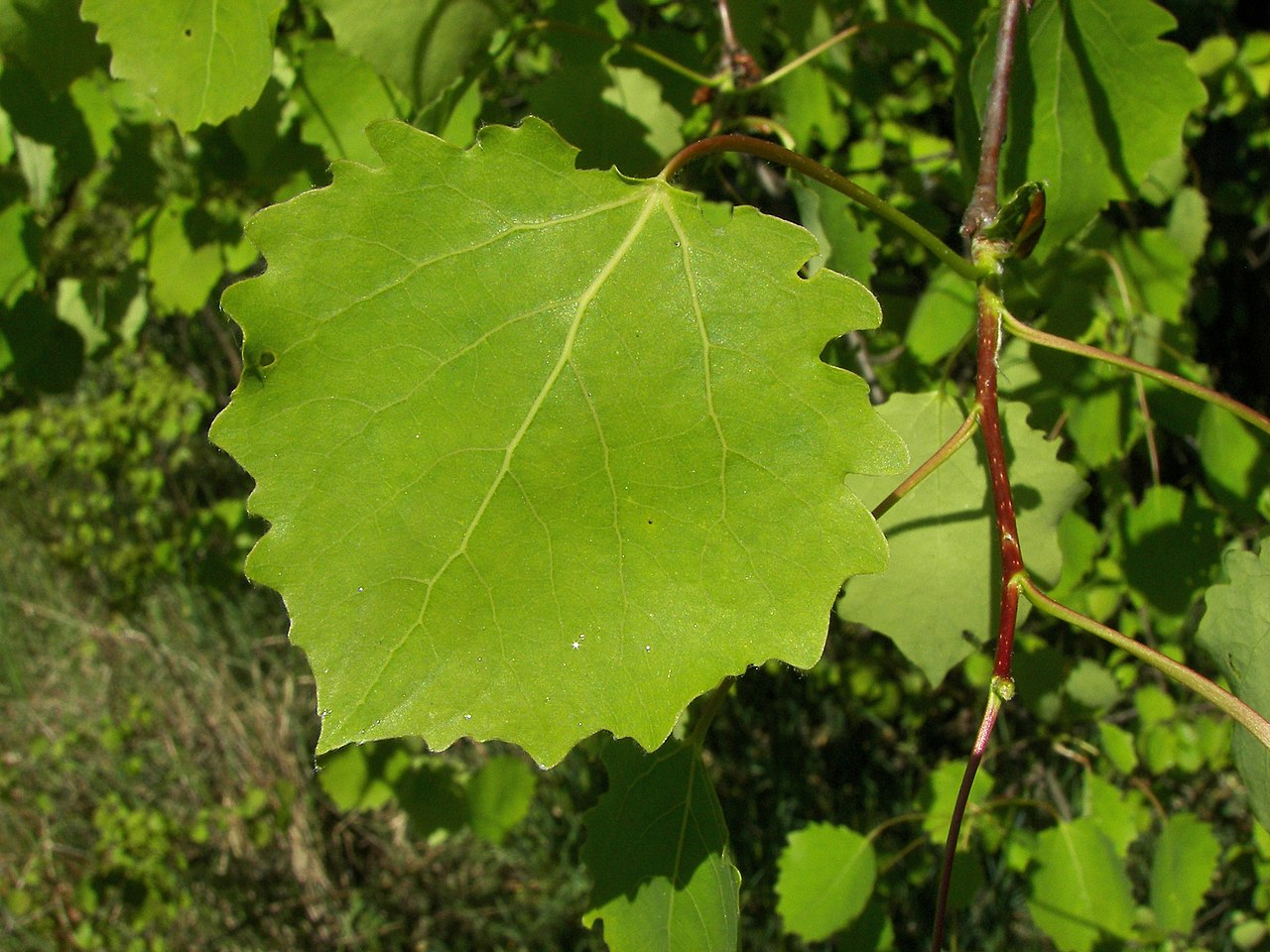
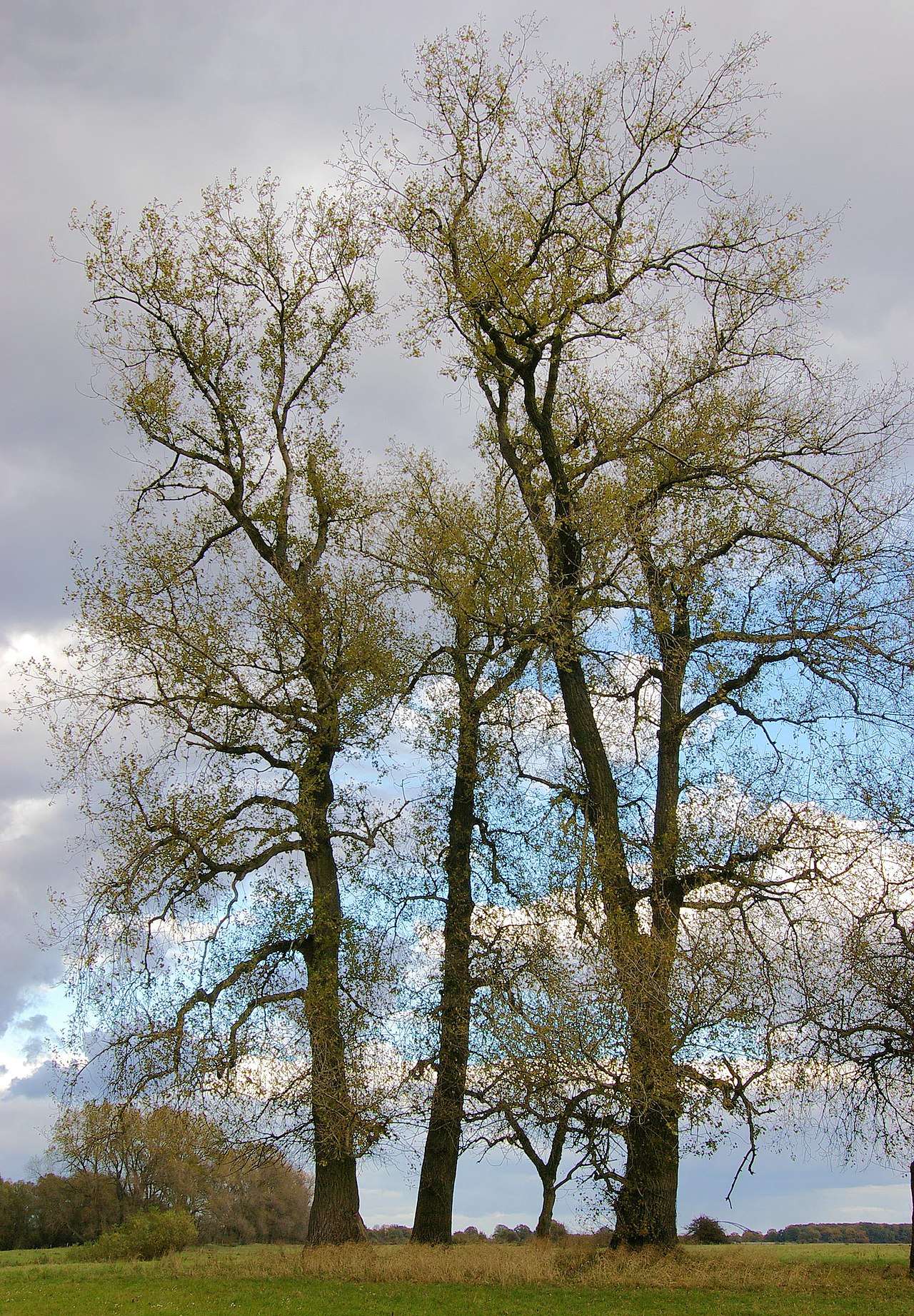
Poplars are largely deciduous and often fast-growing. Leaves vary from triangular to rounded or ovate and many species develop flattened petioles that make foliage tremble in the wind. Flowers are produced in catkins, and most species are dioecious, having separate male and female trees. Seeds are small and typically dispersed with a mass of fine hairs that resemble cotton. Many Populus species spread vegetatively by root suckers, forming clones and extensive colonies.
Classification, subgroups and notable traits
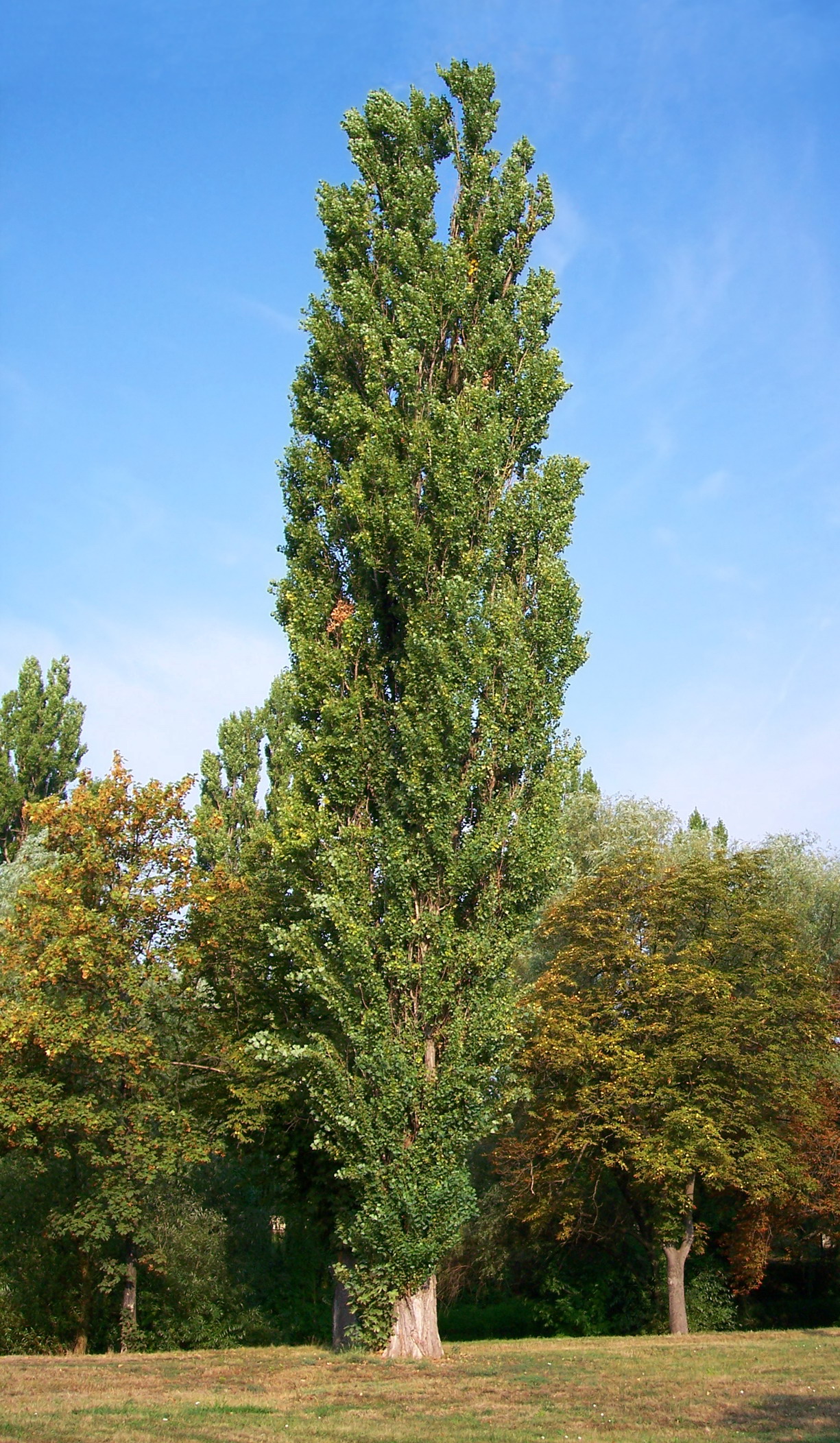
The genus is conventionally divided into three informal subgroups: the true poplars, the aspens and the cottonwoods. Aspens are often recognized for their clonal groves and trembling leaves; cottonwoods for their riparian habit and cottony seed dispersal. For more about aspens see aspens and related species. Poplars belong to the willow family and have long attracted attention for their ecological plasticity and ability to hybridize.
Uses, ecology and importance
Populus species have diverse practical and ecological roles. They are used for timber, pulp and paper production, biomass and bioenergy plantations, windbreaks and ornamental plantings. Ecologically, they stabilize stream banks, provide cover and browse for wildlife, and act as early successional species on disturbed ground. Some species are valuable in phytoremediation and short-rotation forestry because of rapid growth and extensive root systems.
Research and notable facts
Populus has been the subject of significant genetic and ecological research. In 2006 researchers announced the sequencing of the genome of the Western balsam poplar, Populus trichocarpa, marking the first full genome sequence for a tree, a milestone reported in Science and related to advances in plant DNA research resources. Clonal behavior in aspens has produced famous examples of large, long-lived colonies, illustrating how a single genetic individual can persist and dominate an area through vegetative reproduction.
Practical distinctions and considerations
- Management: many poplars sprout readily from roots and stumps, which affects forestry and urban planting decisions.
- Hybridization: hybrid poplars are commonly used in cultivation for improved growth and wood qualities.
- Environmental impacts: fast growth makes them useful for restoration but some species can be invasive outside their native ranges.
For additional reading on taxonomy, ecology and applied uses, consult specialist floras and forestry guides or the general resources linked above.
Questions and answers
Q: What is Populus?
A: Populus is a genus of trees commonly known as poplars, which is common in the northern hemisphere.
Q: How many species are there in the Populus genus?
A: The Populus genus has 25-35 species in three sub-groups commonly called poplars, aspens, and cottonwoods.
Q: What is the Western Balsam Poplar?
A: The Western Balsam Poplar, also known as P. trichocarpa, is a tree species belonging to the Populus genus.
Q: What was announced in the September 2006 issue of Science?
A: It was announced in the September 2006 issue of Science that the Western Balsam Poplar was the first tree to have its full DNA code sequenced.
Q: What is the significance of sequencing the DNA code of the Western Balsam Poplar?
A: The sequencing of the DNA code of the Western Balsam Poplar is significant because it is the first time a full DNA sequence of a tree has been completed.
Q: What are the three sub-groups of Populus?
A: The three sub-groups of Populus are commonly known as poplars, aspens, and cottonwoods.
Q: Where is Populus commonly found?
A: Populus is commonly found in the northern hemisphere.
Related articles
Author
AlegsaOnline.com Populus: the poplars, aspens and cottonwoods — natural history and uses Leandro Alegsa
URL: https://en.alegsaonline.com/art/78139
Sources
- uniprot.org : "Genus Populus (poplars)"
- genome.jgi-psf.org : Populus trichocarpa