
Willow (Salix): biology, uses, ecology, and notable species
Willows (genus Salix) are deciduous trees and shrubs of wet habitats in the Northern Hemisphere, noted for flexible wood, early catkins, medicinal compounds, and roles in erosion control, basketry, and wildlife support.
Willows are members of the genus Salix, a group of deciduous trees and shrubs commonly called willows, sallows or osiers. These plants are most often associated with damp ground and streamside habitats and are native to the cooler regions of the Northern Hemisphere. Willows range from low shrubs to medium‑sized trees and are notable for their flexible stems, fast growth, and ability to reproduce both by seed and vegetatively from cuttings or broken branches.
Image gallery
10 Images


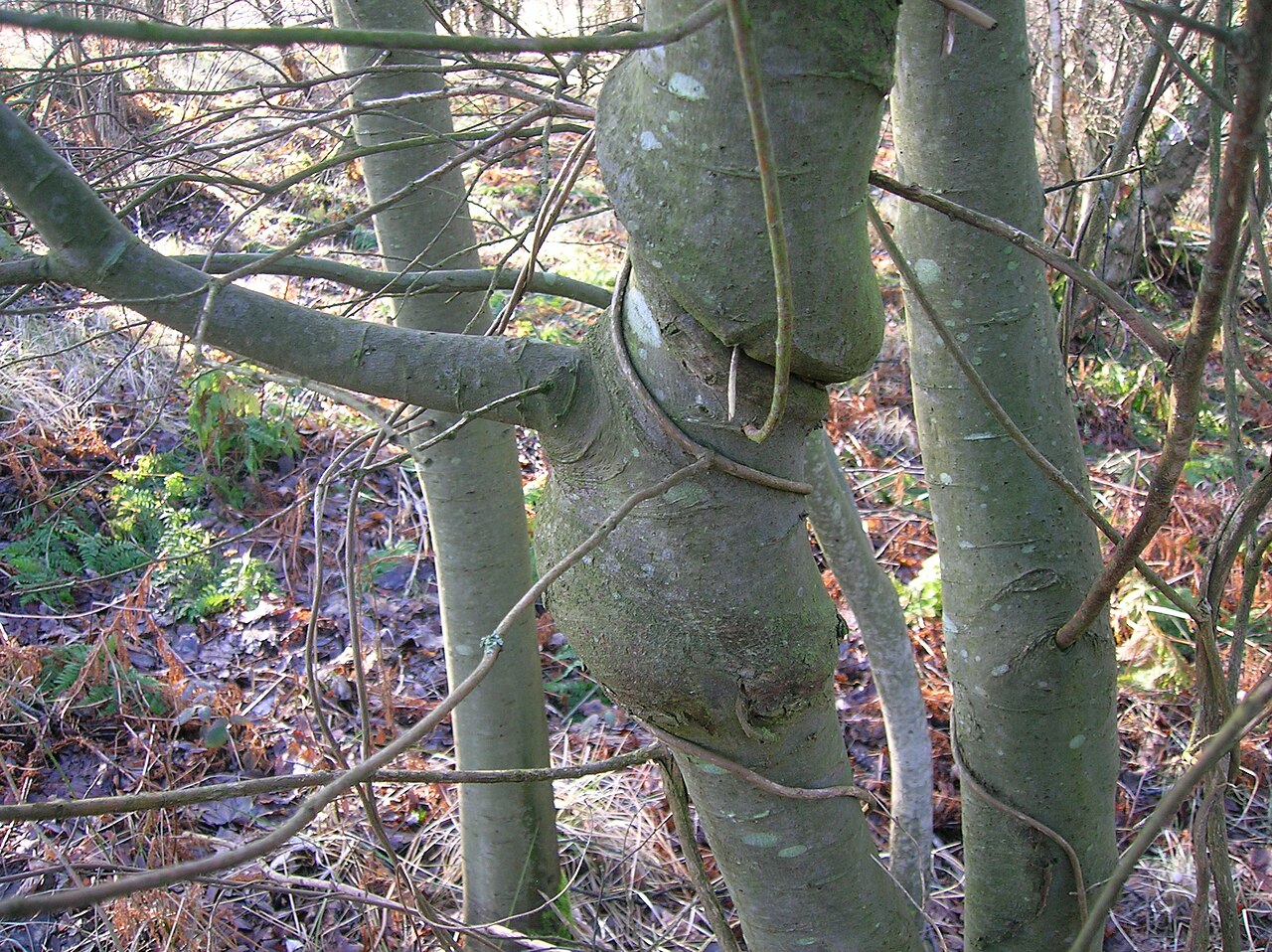

Characteristics and biology
Most willow species have alternate, simple leaves that are frequently lanceolate and may be covered with fine hairs. The bark and sap contain bitter phenolic compounds, including salicins, which deter herbivores and historically provided the chemical basis for pain‑relieving preparations. Willows are usually dioecious: individual plants produce either male or female catkins, which open early in spring—often before the leaves—to provide pollen and nectar for insects. Wind and insects both help carry pollen; the seeds of many species are tiny and are released with tufts of hair that aid short‑distance dispersal.
Distribution, roots and growth habits
About 350 species and many hybrids are recognized across the genus, occupying wet soils along rivers, lakes, marshes and ditches. Willows typically have soft, lightweight wood and a network of extensive, fibrous roots that resist erosion and can resprout readily. This vigorous rooting makes many willows excellent for stabilizing banks and for propagation by cuttings, but it can also lead to conflict with foundations or underground pipes where they are planted too close to structures.
History, chemistry and human uses
People have used willow bark for millennia for its medicinal properties; the naturally occurring salicins led to the development of salicylic acid and later the synthesis of acetylsalicylic acid (aspirin) in the late 19th century. Beyond medicine, willow stems are prized for basketry (osiers), fencing, and traditional crafts because they bend without breaking. Willows are also planted as ornamentals—most famously as weeping forms—and are grown for short‑rotation coppice or biomass in some regions due to their rapid regrowth.
Cultivation, ecological importance and management
Willows are easy to propagate from hardwood or softwood cuttings and are often used in ecological restoration and phytoremediation, where their fast growth and uptake of water and certain pollutants can be an advantage. They provide early spring pollen and nectar for bees and other pollinators and support a diverse community of insects and birds. Management notes: because many species hybridize freely and root aggressively, careful selection and placement are recommended in gardens and urban settings.
Notable species and distinctions
- Weeping willow (popular ornamental forms) — known for pendulous branches and a graceful silhouette; often planted near water.
- White willow (Salix alba) — a common riparian species with pale undersides to the leaves and wood used in cricket bats and other items.
- Goat willow / pussy willow (Salix caprea) — noted for its furry catkins that appear early in spring.
- Osier (Salix viminalis and similar) — traditionally harvested for basket weaving and wickerwork.
For additional information on taxonomy, horticulture, management and conservation, consult specialized resources and databases: taxonomy and classification, habitat and distribution, species lists and identification, medicinal history, horticultural cultivation, restoration and bank stabilization, chemical composition, ecological interactions, and legal and invasive species guidance.
Related articles
Author
AlegsaOnline.com Willow (Salix): biology, uses, ecology, and notable species Leandro Alegsa
URL: https://en.alegsaonline.com/art/108371