
Platanaceae — the plane‑tree family (Platanus)
Platanaceae is a small family of deciduous trees represented by the genus Platanus; known for distinctive peeling bark, spherical flower and fruit clusters, and widespread use as ornamental shade trees.
Overview
The Platanaceae are a small plant family that includes a single, widely recognized group of broadleaf trees. Botanically they belong among the flowering plants, and the family itself is often referenced simply as the plane‑tree family. Modern treatments typically confine the family to one genus, Platanus, sometimes written in older texts as platanus. Although species counts vary by authority, about six to ten species are generally accepted.
Image gallery
9 Images




Identification and characteristics
Members of this family are large, usually deciduous trees with several distinctive features. Leaves are alternate and often palmately lobed; bark peels away in patches producing a mottled surface. Flowers are small and borne densely in spherical or elongated clusters, appearing in spring. The apparent fruit is a cluster of many small achenes; each unit is a dry, single‑seed fruit adapted for wind dispersal. Individual achenes bear a tuft or ring of hairs near their base that aid in movement. For discussion of the family’s reproductive parts, see the section on fruits and seeds.
Distribution and history
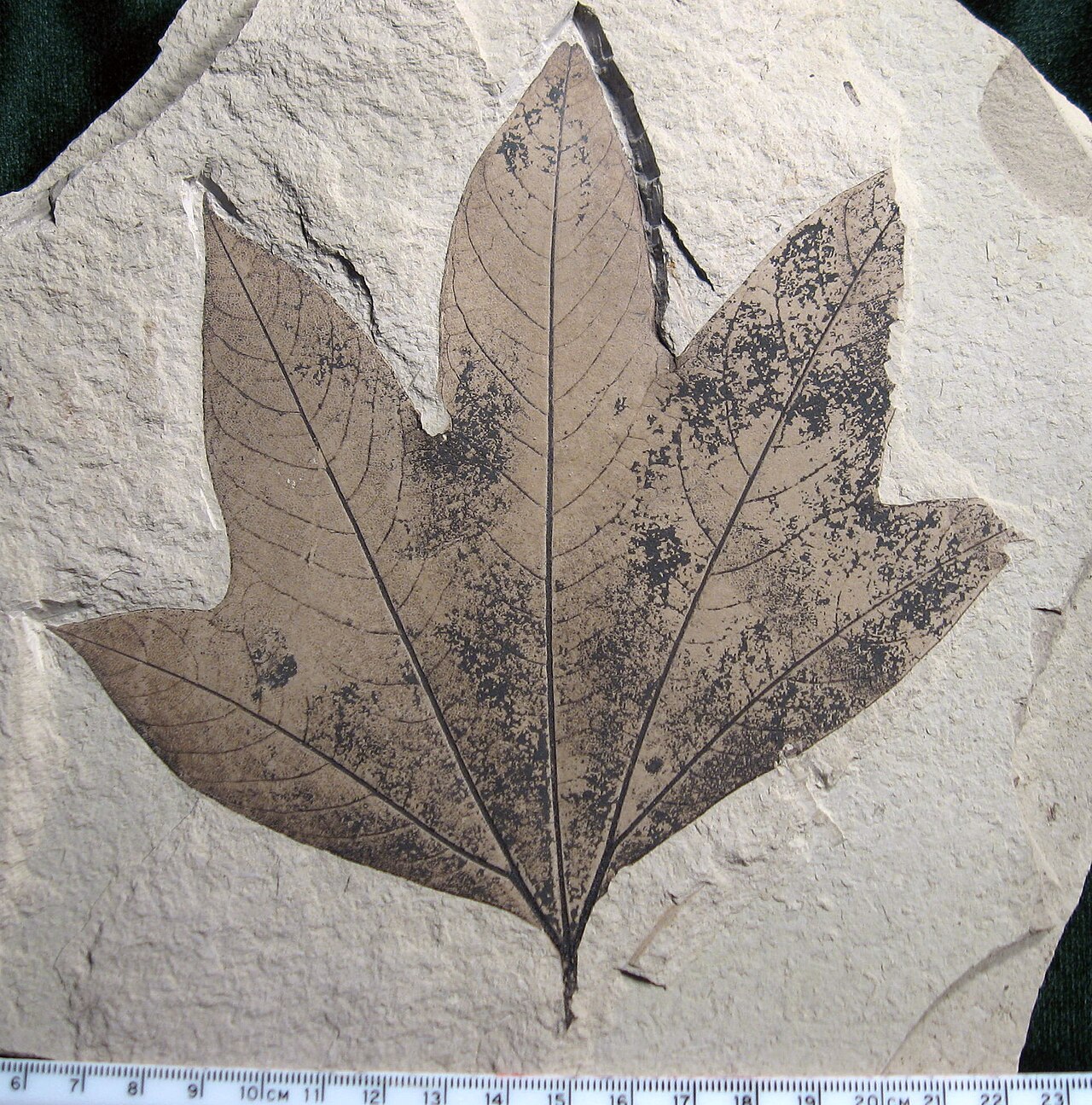
Platanaceae are native to the Northern Hemisphere, occurring naturally in temperate and subtropical regions of North America, Europe, and Asia. Fossil records show relatives of modern plane trees dating back to the Cretaceous and Tertiary periods, indicating a long evolutionary history and formerly wider distribution in past climates.
Uses, ecology and importance
Plane trees are widely planted as ornamental and street trees because of their rapid growth, tolerance of urban conditions, and shade‑providing crowns. Several species and hybrids are familiar in parks and avenues worldwide. Ecologically they provide food and habitat for insects and birds; their pollen and airborne fragments can be allergenic for some people. Economically, timber use is limited but some species supply wood for furniture, veneer, and craftwork.
Notable species and distinguishing facts
- Platanus occidentalis (American sycamore) — native to eastern North America.
- Platanus orientalis (oriental plane) — widespread in Europe and western Asia and historically planted in towns.
- Platanus × acerifolia (London plane) — a common hybrid valued for urban planting.
The family is notable for having a single genus; its clustered fruits and exfoliating bark make members readily recognizable. Management of plane trees often balances their ornamental benefits against vulnerabilities to pests, fungal diseases and sensitivity to soil compaction.
For further reading on taxonomy, species accounts and cultivation advice, consult specialized horticultural or botanical references and databases: family overview, genus details, and regional floras linked in specialist resources.
Related articles
Author
AlegsaOnline.com Platanaceae — the plane‑tree family (Platanus) Leandro Alegsa
URL: https://en.alegsaonline.com/art/77328