
Pedogenesis: Processes, Factors and Importance of Soil Formation
Pedogenesis is the natural process by which soils form and evolve under the influence of climate, organisms, parent material, topography and time; it underpins land use, ecology and agriculture.
Pedogenesis, or soil formation, describes the set of physical, chemical and biological processes that create and modify soil over time. Rather than a single event, pedogenesis is a sequence of interacting processes — weathering of rock, accumulation and decomposition of organic matter, movement of water and solutes, and the activity of plants and animals — that together produce the layered structure and properties recognized by soil scientists.
Image gallery
4 Images


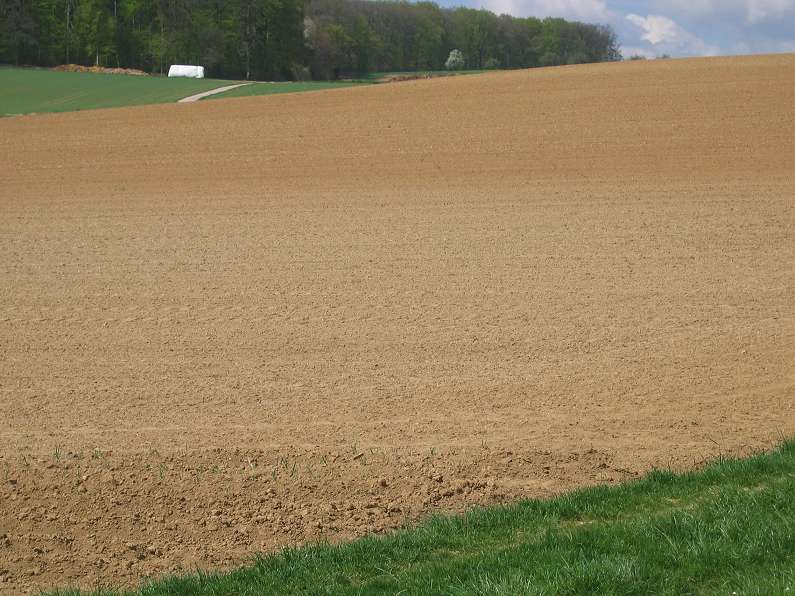
Primary factors that control pedogenesis
- Climate: Temperature and precipitation govern rates of breakdown and transport. Warmer, wetter conditions generally accelerate chemical weathering and organic matter turnover; climate is central to many soil-forming pathways (climate).
- Organisms: Vegetation, microbes and animals alter soil chemistry and structure. Leaf litter, root action and burrowing redistribute organic material and minerals, producing distinct profiles under different ecosystems, such as forests versus grasslands (chemical weathering, humus).
- Parent material: The mineral source — intact bedrock or transported deposits — supplies the raw minerals. Common origin types include in-place bedrock, wind-deposited (eolian), glacial material, river-borne alluvium and lake material.
- Topography: Slope and drainage affect erosion, waterlogging and the downward movement of materials.
- Time: Soils evolve continuously; given enough time stable horizons and distinctive characteristics develop.
Common soil-forming processes
- Weathering — mechanical and chemical breakdown of minerals that supplies fine particles and soluble ions.
- Leaching and eluviation/illuviation — redistribution of soluble and suspended materials between horizons.
- Organic matter accumulation — formation of humus and dark surface horizons, especially pronounced in grassland and prairie systems (prairies).
- Podzolization, laterization and calcification — examples of pathways that produce characteristic chemistry under particular climates and vegetation.
- Bioturbation — mixing by organisms that blurs horizons and speeds decomposition.
These processes create the recognizable sequence of layers known as soil horizons. A typical profile includes a surface organic layer, an upper mineral horizon enriched in organic matter, and subsurface horizons where clay, iron, or carbonate accumulate or are depleted. The precise arrangement depends on the balance of input, removal and transformation specific to a site.
Biological influences are especially important. Coniferous forests often produce more acidic litter and slower decomposition, while mixed or deciduous forests supply a richer leaf litter that fosters substantial humus formation. Grasslands tend to build thick, dark surface layers because dense roots and frequent turnover encourage organic matter storage.
Pedogenesis is the central focus of pedology, the branch of soil science concerned with soil morphology, genesis and classification. Work in this field supports many applied needs: evaluating land for agriculture and forestry, predicting erosion and nutrient cycling, and guiding restoration. Systems that group soils by their origin and properties are used worldwide; formal approaches to classification and taxonomy help scientists communicate about soil types and their likely behavior.
Historically, attention to soil formation grew from practical land management to a detailed scientific discipline that integrates geology, climatology, ecology and chemistry. Understanding pedogenesis remains essential because soils regulate water, store carbon, and determine plant productivity. Notable distinctions include how different climates favor contrasting soil orders and how human activities — agriculture, deforestation, urbanization — can accelerate or reverse natural development.
Related articles
Author
AlegsaOnline.com Pedogenesis: Processes, Factors and Importance of Soil Formation Leandro Alegsa
URL: https://en.alegsaonline.com/art/75413