
Permian Period: Last Chapter of the Paleozoic and the Great Extinction
The Permian (about 299–252 million years ago) was the final period of the Paleozoic Era, notable for diverse terrestrial life, major climatic shifts, assembly of Pangaea, and the largest mass extinction in Earth history.
The Permian is a geological period whose timeframe spans roughly 299 million to 252 million years ago. It constitutes the final period of the Paleozoic Era and is part of the Phanerozoic eon. The close of the Permian is marked by the most severe biotic crisis known, an event commonly called the mass extinction at the Permian–Triassic boundary.
Image gallery
10 Images


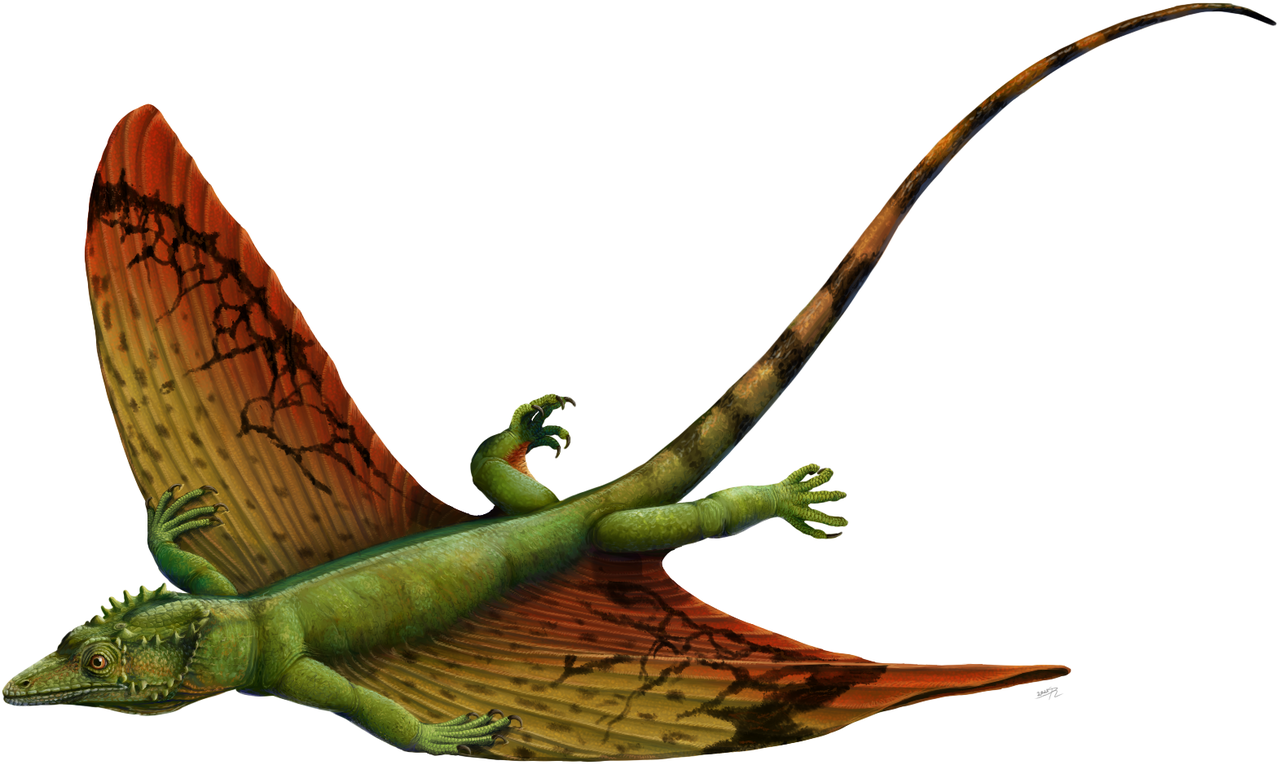
Overview and subdivisions
Geologists divide the Permian into several formal stages and three larger epochs — commonly referred to as the Cisuralian (early), Guadalupian (middle), and Lopingian (late) — each characterized by distinct fossil assemblages and environmental shifts. Sedimentary records and fossil faunas from different continents allow the construction of a global chronology, but regional names and boundaries persist in local stratigraphy.
Climate, seas and supercontinents
During the Permian the continents continued to assemble into the supercontinent Pangaea, altering ocean circulation and climate patterns. Interior regions of Pangaea were broadly arid and experienced strong seasonal contrasts, while coastal and higher-latitude zones could be wetter. Sea levels generally fell compared with the preceding Carboniferous, producing extensive continental environments and varied shoreline deposits.
Major life forms and ecosystems
Permian ecosystems included both holdovers from earlier Paleozoic groups and newly diversified lineages. On land, seed-bearing plants (gymnosperms), ferns, and seed ferns expanded; animals ranged from diverse amphibians to dominant synapsid reptiles (often called "mammal-like reptiles") that occupied top predator roles. Marine life included brachiopods, ammonoids, bivalves, and reef communities built by sponges and other organisms.
- Plants: early gymnosperms, pteridophytes and seed ferns
- Terrestrial vertebrates: synapsids, diverse amphibians, early reptiles
- Marine fauna: brachiopods, ammonoids, crinoids and diverse nekton
End-Permian extinction and causes
The Permian ended with a profound global extinction that eliminated a large proportion of marine and terrestrial species. Evidence points to rapid environmental change as the proximate cause: massive volcanic eruptions (notably the Siberian Traps), greenhouse gas release, climate warming, ocean deoxygenation and acidification are all implicated. These processes likely acted in combination, producing habitat loss and food-web collapse on a global scale; debate continues about the relative timing and weight of each factor.
Significance and legacy
The Permian stands as a pivotal interval in Earth history: it represents the culmination of long-term evolutionary trends within the Paleozoic and sets the stage for the Mesozoic world that followed. The biotic turnover at its close reshaped terrestrial and marine ecosystems, allowing new groups (including archosaurs and true reptiles) to radiate in the Triassic. Paleontological, geochemical and stratigraphic studies of Permian rocks remain central to understanding deep-time climate change, mass extinction processes and the long-term coevolution of life and the planet.
Related articles
Author
AlegsaOnline.com Permian Period: Last Chapter of the Paleozoic and the Great Extinction Leandro Alegsa
URL: https://en.alegsaonline.com/art/75872
Sources
- doi.org : 10.1126/science.1161648
- pubmed.ncbi.nlm.nih.gov : 18832639
- palaeos.com : palaeos.com