
Peridot: the gem-quality form of olivine and its properties, history, and uses
Peridot is the green gem variety of the mineral olivine. This article covers its composition, color origin, sources, cultural history, gemological properties, and care for jewelry use.
Overview
Peridot is the name given to gem-quality olivine, a magnesium iron silicate mineral. Unlike many gemstones that occur in several colors, peridot is characteristically green — ranges that shift from yellow-green to olive and brownish-green depending on composition. The term peridot has historical roots in several languages and traditions; some sources trace its name to Arabic and French words associated with gems or clarity. For a basic mineral description see olivine.
Image gallery
10 Images



Chemical and physical characteristics
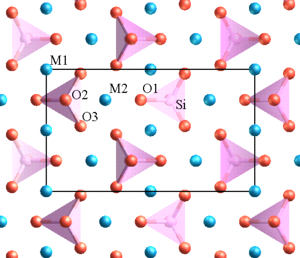
Peridot is part of the olivine group and its chemical formula is commonly written as (Mg,Fe)2SiO4, indicating that magnesium and iron occur in varying proportions. The amount of iron present directly affects the depth and tone of the green — more iron yields darker, more olive-colored stones. For more about the role of iron in gem color see iron and for color descriptions see color variations.
Typical gemological properties include:
- Hardness: roughly 6.5–7 on the Mohs scale, which makes peridot suitable for many types of jewelry but less durable than harder gems such as sapphire.
- Refractive index and birefringence: moderate values that give peridot a lively sparkle but also internal doubling of facets when viewed with magnification.
- Specific gravity: notably higher than many common silicate gems, varying with iron content.
- Cleavage and toughness: cleaves readily in certain directions and can be subject to chipping or fracture if struck; it is sensitive to sudden temperature changes.
Occurrence and principal sources
Although olivine is abundant in the Earth's mantle and in many mafic and ultramafic rocks, gem-quality peridot is less common. High-quality crystals are typically found in volcanic basalt flows, in peridotite xenoliths brought to the surface by eruptions, and in some meteorites (notably pallasite meteorites, which contain olivine crystals embedded in metal). Notable localities that have produced gem material include sites in the United States (Arizona), Egypt (historically from an island in the Red Sea), Myanmar, Pakistan, China, and parts of East Africa. Modern gem trade sources and geological summaries are discussed in more detail at Arabic etymology and linguistic notes.
History and cultural importance
Peridot has been treasured for millennia. Ancient civilizations prized green gems for their color and supposed protective qualities; some famous historical peridot sources supplied jewelry for rulers and religious objects. Peridot became linked to specific months and cultural practices over time and is widely recognized today as the birthstone for August — a designation explored further at August birthstone. Folklore has also associated peridot with wellbeing, sleep, and emotional balance, although such beliefs are cultural rather than scientific.
Uses, care, and market considerations
Peridot is primarily used in jewelry: rings, necklaces, earrings, and pendants. Its distinct green color makes it an attractive alternative to other green gems such as emerald or green tourmaline. Dealers and consumers consider color saturation, clarity, cut quality, and carat weight when evaluating peridot. Treatments are uncommon; most material is sold untreated.
Care recommendations: avoid exposing peridot to rapid temperature changes, harsh chemicals, or prolonged ultrasonic cleaning, because the stone can crack or lose luster. Set peridot in protective settings for rings or bracelets that are exposed to impact. Routine cleaning with mild soap and lukewarm water is usually sufficient.
Identification and distinctions
In gemology peridot can be distinguished from other green gems by its single-color family (it does not occur in multiple hue varieties), its typical range of refractive indices, and internal features seen under magnification. It should not be confused with emerald, which has a different crystal structure, hardness, and typical inclusion pattern, or with green glass imitations. Trusted gemological testing and appraisals help confirm authenticity and value.
Peridot remains a popular gemstone because of its clear green color, geological interest as a mantle-derived mineral, and long cultural history. For further reading on mineralogy, gem testing, and historical sources see specialized resources and museum collections linked at color studies and mineral profiles.
Related articles
Author
AlegsaOnline.com Peridot: the gem-quality form of olivine and its properties, history, and uses Leandro Alegsa
URL: https://en.alegsaonline.com/art/75802