
Prairie: Temperate Grassland Ecosystems and Their Ecology
Prairies are temperate grassland ecosystems dominated by grasses and wildflowers, supporting distinctive wildlife and shaped by climate, fire, and grazing across North America and similar regions worldwide.
Overview
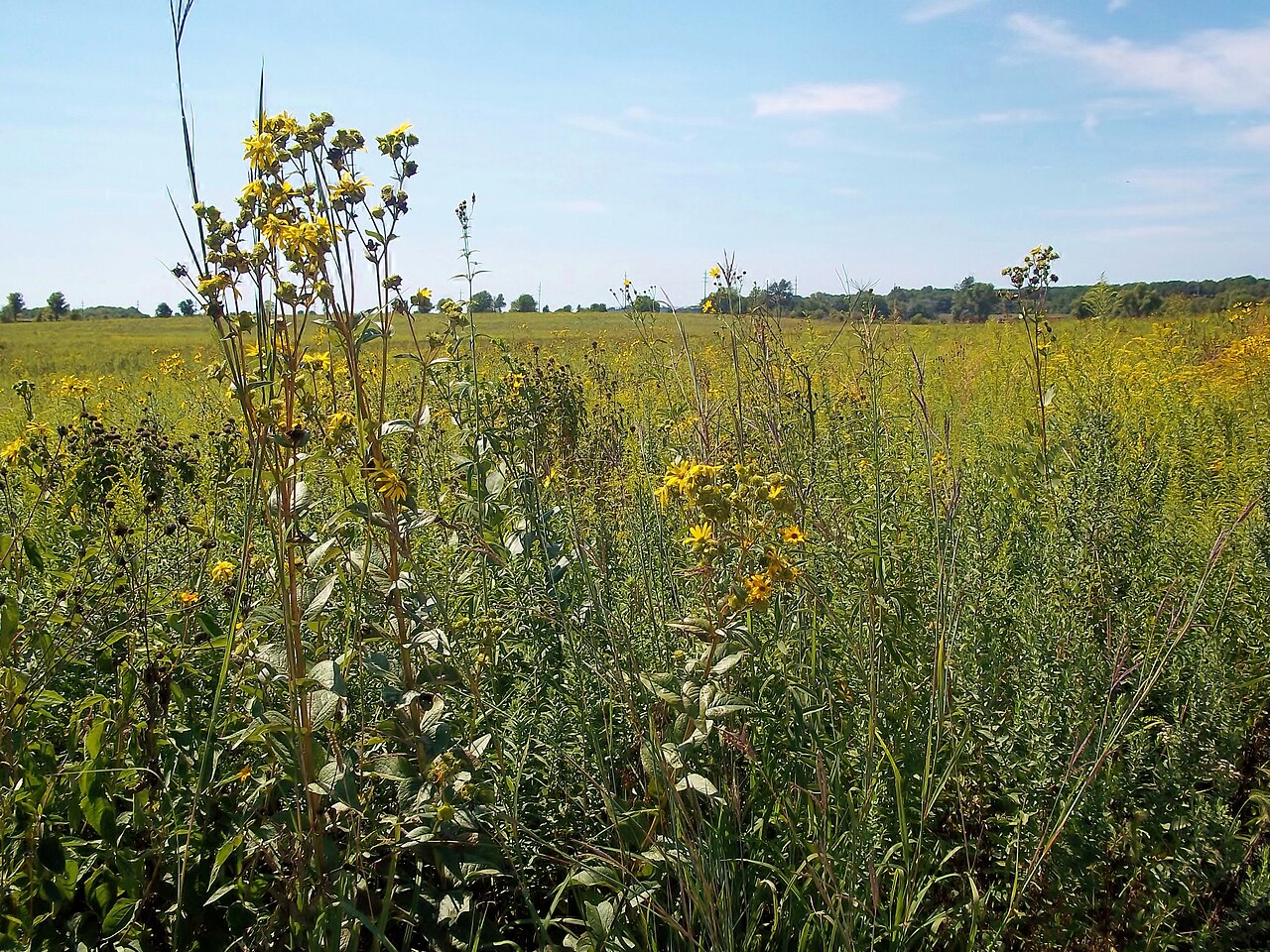
A prairie is a type of open terrestrial habitat dominated primarily by grasses and herbaceous flowering plants, with few trees or dense shrubs. Prairies occur where climate and soils favor grasses over forests; they are most familiar in parts of North America but have close counterparts around the world. For a general definition of such environments see habitat.
Image gallery
10 Images





Characteristics
Typical prairie vegetation includes a mix of tall, mid- and short-grass species adapted to local moisture and soil conditions, plus a diverse assemblage of wildflowers. Grasses are central to the ecosystem—both functionally and structurally—so references to grasses are common when describing prairies. Natural processes such as periodic fire, grazing by large herbivores, and seasonal drought maintain the open character of prairies and prevent woody plants from taking over.
Regional Names and Types
Similar grassland landscapes have different names in different continents. For example, the Eurasian steppe is often called a steppe, while the North American interior grasslands are usually called prairies. In North America the term North America-prairie or simply prairie is widely used to describe these temperate grasslands.
Ecology and Notable Species
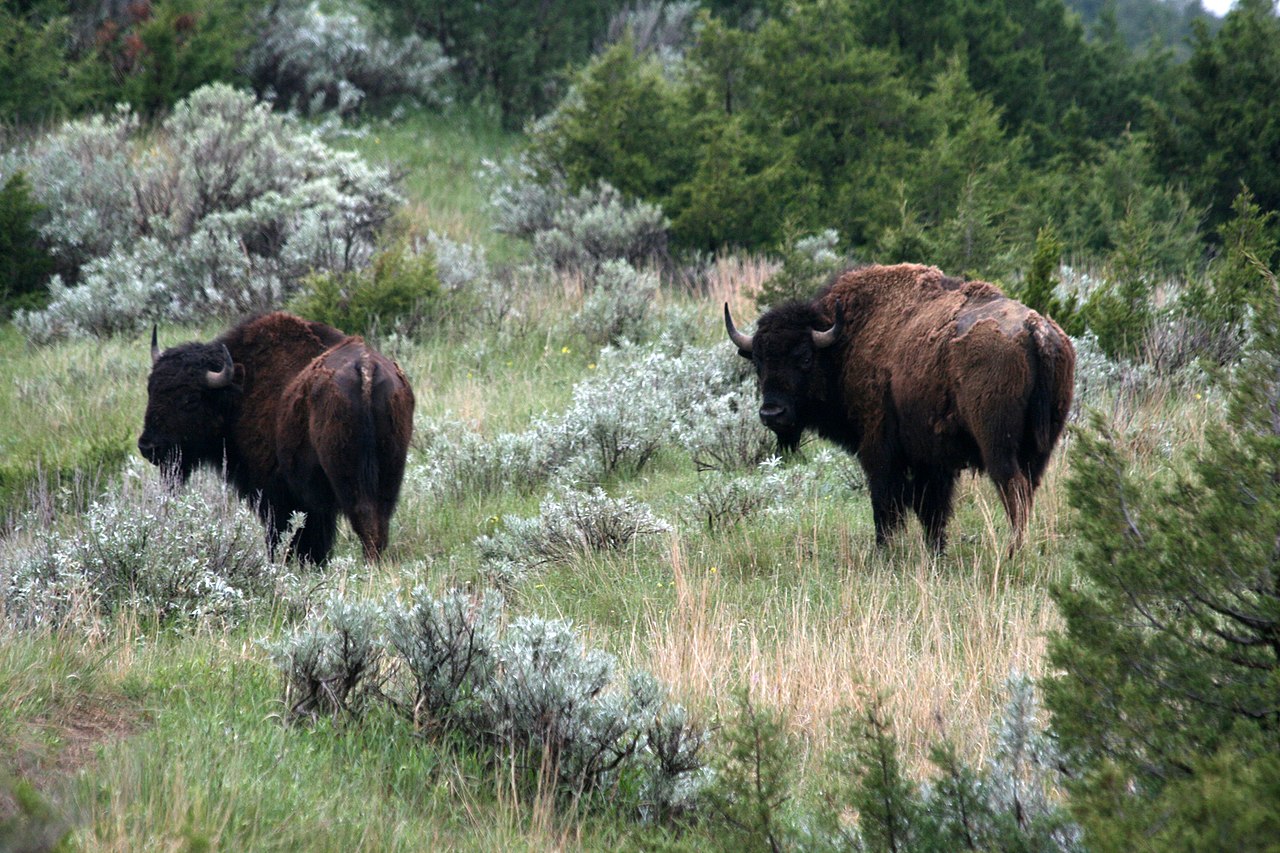
Prairies support many animals that depend on open grassland. Large grazing mammals historically shaped plant communities; in North America these included species such as the American bison and the pronghorn. Bird life is also distinctive: ground-nesting species like meadowlarks, bobolinks and numerous raptors are typical inhabitants. Insects, soil microbes and fungi play essential roles in nutrient cycling and plant diversity.
Human Uses and Conservation
Prairies have long been used for grazing livestock and agriculture because of their fertile soils. Conversion to cropland and urban development has greatly reduced their extent, making prairie conservation and restoration important in many regions. Management techniques that mimic natural disturbance—controlled burns and managed grazing—are used to maintain prairie biodiversity.
Distinctive Facts
- Prairies are defined more by plant composition and ecological processes than by a single climate band.
- They often contain a rich diversity of wildflowers that bloom at different seasons.
- Conservation efforts balance agricultural use with habitat protection and restoration.
Questions and answers
Q: What is a prairie?
A: A prairie is a habitat that mostly consists of grasses, but also has occasional shrubs or isolated trees, and flowering plants.
Q: Where can prairies be found?
A: Prairies can be found around the world, but they go by different names in different regions. In Asia, for example, they may be referred to as steppes.
Q: What draws tourists to prairies?
A: Tourists are often attracted to the golden grass in Prairie grasslands.
Q: What does the word "prairie" generally mean in North America?
A: In North America, the word "prairie" generally means grasslands.
Q: What types of animals are found on prairies?
A: There are often many animals that live in or prefer prairies. Some well-known examples include American bison (also called buffalo) and pronghorn antelope. Birds such as bobolinks and meadowlarks can also be found on prairies.
Q: Can animals only be found on prairies?
A: Some animals can only live in prairies, while others simply prefer them as a habitat.
Q: What makes prairies unique?
A: Prairies are unique habitats because they are dominated by grasses, rather than trees or other vegetation, and are home to many species of animals that are adapted to living on this type of open grassland.
Related articles
Author
AlegsaOnline.com Prairie: Temperate Grassland Ecosystems and Their Ecology Leandro Alegsa
URL: https://en.alegsaonline.com/art/78618
Sources
- dnr.state.il.us : "Illinois Prairies"
- nationalforests.org : "Midewin Prairie Restoration"