
Parvati: Hindu goddess of fertility, devotion, and power
Parvati is a principal Hindu goddess, wife of Shiva and mother of Ganesha and Kartikeya, representing divine feminine energy (Shakti) in many forms from gentle mother to fierce warrior.
Parvati is one of the major goddesses in Hinduism, widely revered as a mother figure, consort of the god Shiva, and a principal manifestation of divine feminine energy or Shakti. Her name in Sanskrit means "daughter of the mountain" and refers to her parentage: she is traditionally described as the daughter of the mountain‑king, often identified with the Himalayas (Himavat). In mythic genealogies she is born to Himavat and his wife Mena and later becomes the mother of two well‑known gods, Ganesha and Kartikeya.
Image gallery
10 Images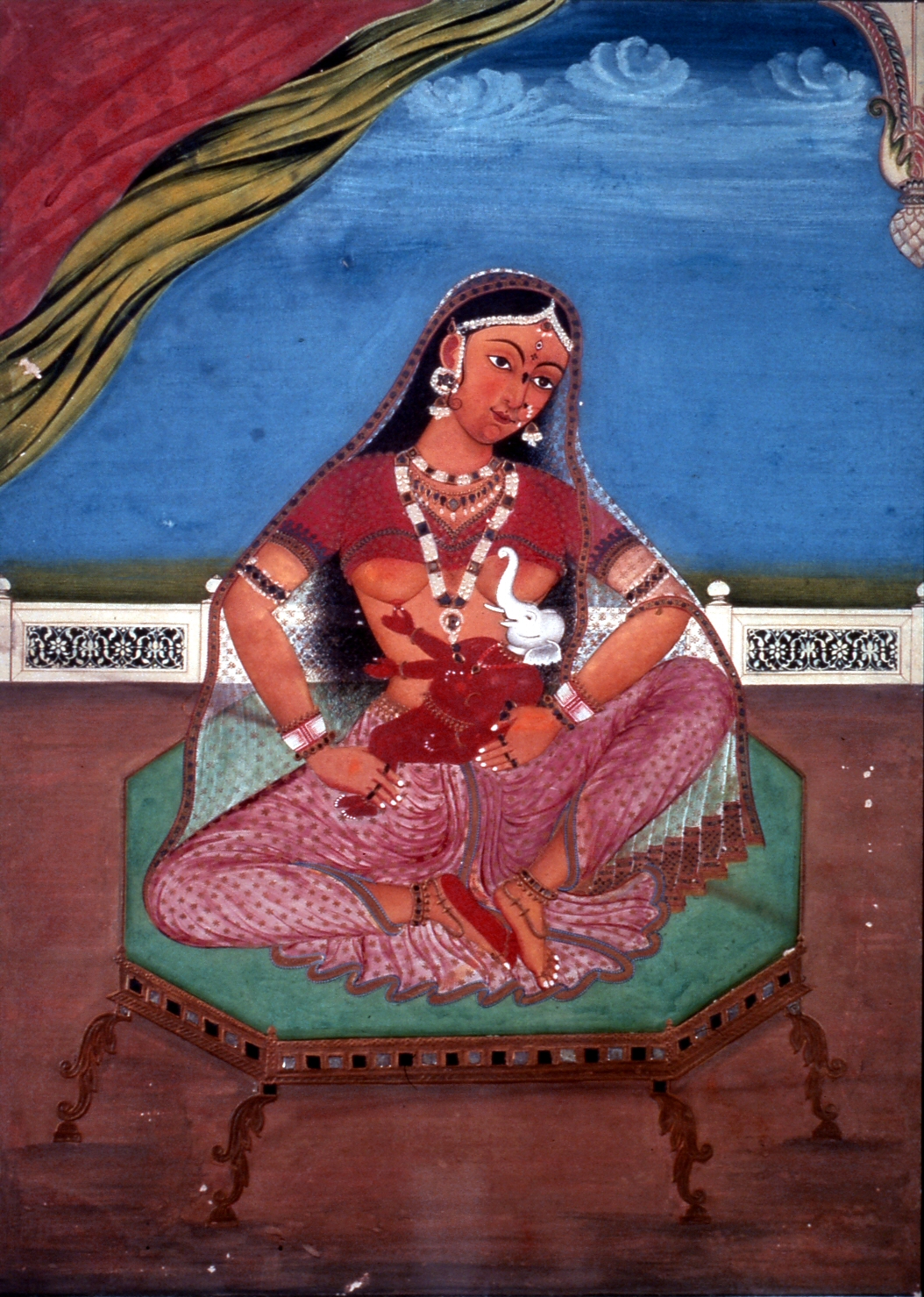


Characteristics and iconography
Parvati appears in a range of visual forms. In serene, domestic depictions she commonly has two arms and holds a lotus or makes a gesture of blessing. In some traditions she is shown with more arms and different attributes that denote her powers. Traditional items associated with her include prayer beads (rosary), a mirror, a bell and a citron or fragrant fruit; in milder forms she is often shown holding a lotus flower while blessing worshippers. Her vehicle (vahana) is a lion or tiger, symbolizing courage and the controlled use of force.
Forms and names
Parvati is known by many names and manifests in diverse aspects. Gentle and maternal epithets include Uma and Gauri; as a protector and warrior she is identified with Durga and, in fiercer martial or destructive aspects, with Kali. Other honorifics such as Ambika, Bhavani and Annapurna reflect roles ranging from beloved daughter and wife to provider and cosmic mother. Some traditions link her to the earlier figure Sati, who is described as Shiva’s first consort and whose story explains cycles of death and rebirth in the family lineage of the gods.
Mythic role and religious importance
Stories about Parvati emphasize devotion, ascetic practice and the transformative power of love. A common theme describes her undertaking severe penances to win Shiva’s attention and to reestablish balance. Her union with Shiva is portrayed as the union of consciousness and energy; together they are sometimes shown in the composite form Ardhanarishvara (half‑man, half‑woman) to symbolize cosmic complementarity. Parvati is central to many rituals and local cults and is invoked as a source of fertility, marital harmony, and household wellbeing.
Rituals, festivals and regional variations
Devotees celebrate Parvati in a variety of festivals and regional observances. Major pan‑Indian celebrations such as Navaratri honor Goddess forms related to her, while regional festivals like Teej focus specifically on married women’s devotion and the well‑being of their husbands. Temples across South Asia preserve distinctive iconographic traditions and myth cycles that highlight local values and historical developments. Different religious streams — for example Shaiva and Shakta traditions — emphasize different aspects of her nature: as an inseparable consort to Shiva or as the supreme goddess in her own right.
Notable facts and distinctions
- Parvati embodies both nurturing and formidable qualities, showing how a single deity can represent multiple, even contrasting, ideals.
- Her sons, Ganesha and Kartikeya, occupy prominent roles in Hindu worship and myth, underscoring her importance in the divine household.
- Iconographic items such as the citron (mattika or citrus fruit), rosary, mirror and lotus are symbolic tools that express inner and outer virtues.
- Parvati’s stories and images have been influential in literature, temple art, dance and popular devotion throughout South Asia and in Hindu communities worldwide.
Further reading and iconographic examples can be found in standard introductions to Hindu deities and specialized studies of Shaivism and Shaktism; see general resources on Hinduism and articles that treat the main gods and their families. For botanical or ritual details connected with offerings and attributes, consult works that describe sacred plants and objects such as the mountain symbolism and the significance of the lotus in devotional iconography.
Related articles
Author
AlegsaOnline.com Parvati: Hindu goddess of fertility, devotion, and power Leandro Alegsa
URL: https://en.alegsaonline.com/art/74869