
Shiva: Hindu deity of transformation, asceticism, and cosmic dance
Overview of Shiva — major Hindu deity venerated as transformer and ascetic. Covers attributes, forms (Lingam, Nataraja), family, festivals, worship, historical development and cultural significance.
Overview
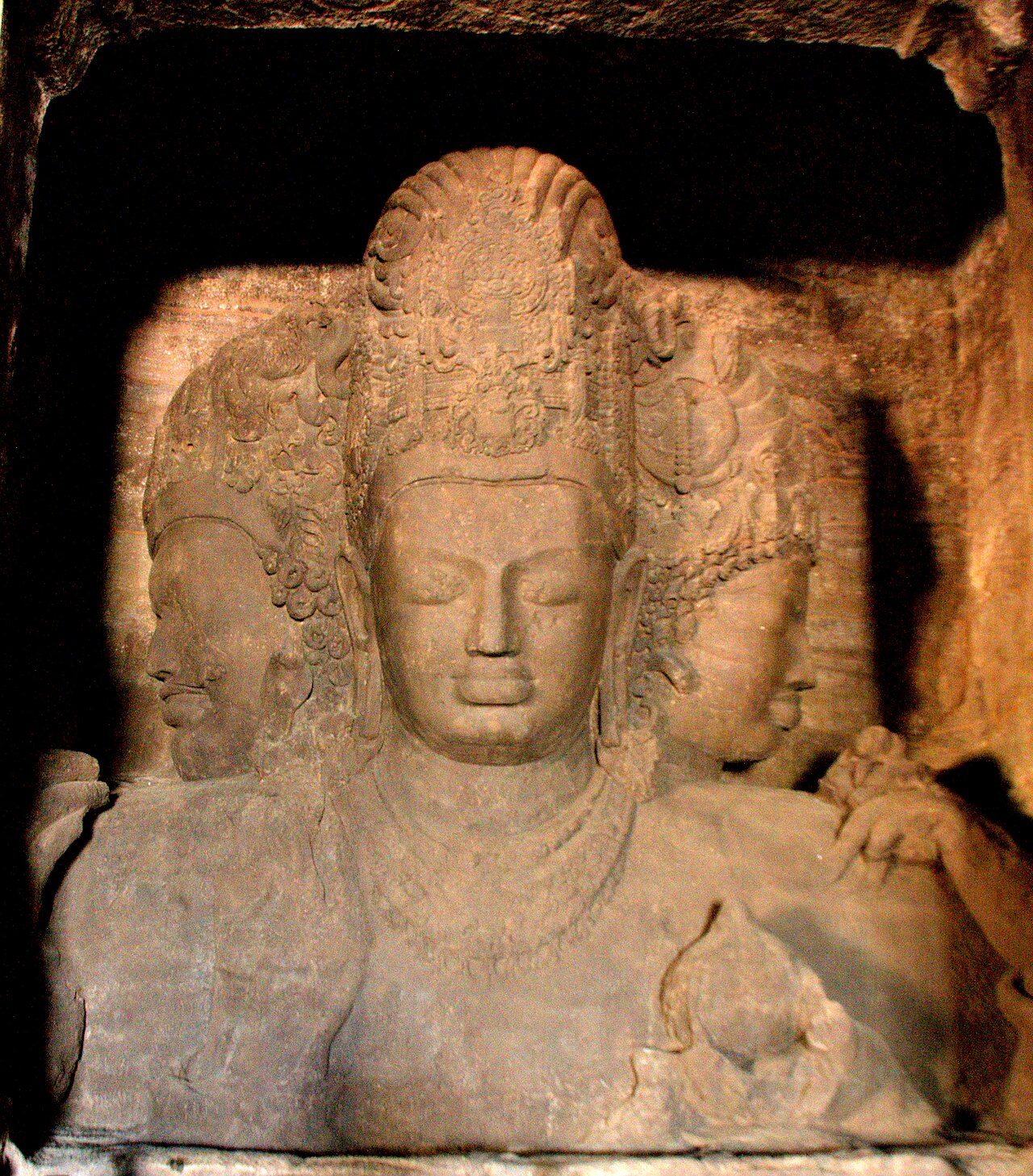
Shiva, often called Mahadeva ("great god") or Rudra in older texts, is one of the principal deities of Hinduism and the central figure of the Shaivism tradition. As a member of the classical Trimurti, alongside Brahma and Vishnu, Shiva is traditionally associated with transformation and the dissolution (a necessary stage in cyclical creation). Devotees regard him in many complementary roles: ascetic yogi, householder, fierce destroyer of ignorance and benevolent lord of compassion.
Image gallery
10 Images




Common attributes and symbols
Art and scripture present Shiva with a characteristic set of symbols that express his nature and powers. Typical attributes include the trident (trishula), a small drum (damaru), matted hair (jata) often bearing the river Ganges, a crescent moon, and the third eye on the forehead. He is frequently shown with a blue throat (Neelakantha), a reminder of the legend in which he swallowed poison to protect the world. Many representations are aniconic: the Shiva Linga—an abstract, often cylindrical form—is a major focus of worship.
- Third eye: inner vision and transformative fire
- Trident: threefold powers (creation, preservation, destruction) in symbolic readings
- Nataraja: the cosmic dancer illustrating rhythmic creation and dissolution
- Lingam: emblem of divine generative energy and meditation
Forms, worship and festivals
Shiva is worshipped in many forms, from the ascetic meditator to the householder with consort Parvati and sons Ganesha and Kartikeya. Ritual practice ranges from temple puja centered on the Linga to personal meditation, yoga and ascetic disciplines. Major observances include Maha Shivaratri, an annual night of vigil, fasting and worship. Regional traditions and philosophies—collectively known as Shaiva schools—have produced diverse liturgical and devotional patterns across South Asia.
Historical development and philosophical context
The figure of Shiva evolved over many centuries, assimilating pre-Vedic pastoral and tribal deities, Vedic descriptions of Rudra, and later Puranic narratives. Classical Hindu texts and medieval devotional poetry expanded his myths and attributes. Philosophically, Shiva features prominently in various Shaiva systems, from dualist devotional schools to nondual traditions such as Kashmir Shaivism, where the divine is identified with universal consciousness and the practices aim at realizing that unity.
Cultural significance and notable facts
Shiva's image and stories have had wide influence on South Asian art, dance, literature and temple architecture. The dancing form Nataraja became an iconic symbol of cosmic rhythm and artistic expression. Mount Kailash is traditionally regarded as his abode, while Parvati (also called Durga or Devi in different contexts) is his consort. Popular legends—such as the episode of the poison that turned his throat blue, or the descent of the Ganges to earth through his hair—illustrate his role as both protector and ascetic. For further reading on Shaivism see Shaivism overview and on Parvati see Parvati (Devi).
Distinctions and related deities
In the classical triad known as the Trimurti, Shiva is commonly paired with the Trimurti concept, together with Brahma (creator) and Vishnu (preserver). Yet in practice, Hindu religious life is plural and regionally varied: many communities emphasize one deity more than others, and worship forms intermingle. Understanding Shiva therefore benefits from attention to regional histories, local temples and the many devotional texts and artistic traditions that continue to shape his reception.
Related articles
Author
AlegsaOnline.com Shiva: Hindu deity of transformation, asceticism, and cosmic dance Leandro Alegsa
URL: https://en.alegsaonline.com/art/89897