
Nymphaea — water-lilies: description, ecology, cultivation, and cultural role
Nymphaea is a genus of floating aquatic plants (water-lilies) in the family Nymphaeaceae, grown in ponds and lakes worldwide for ornament, ecology, and cultural importance.
Overview: Nymphaea is a genus of perennial aquatic plants commonly called water-lilies. Members of this group are notable for their broad floating leaves and showy flowers that open above or on the water surface. The genus belongs to the family Nymphaeaceae and includes about 50 species, with both temperate and tropical representatives. Many species and their hybrids are cultivated as ornamental plants for garden ponds and water features.
Image gallery
10 Images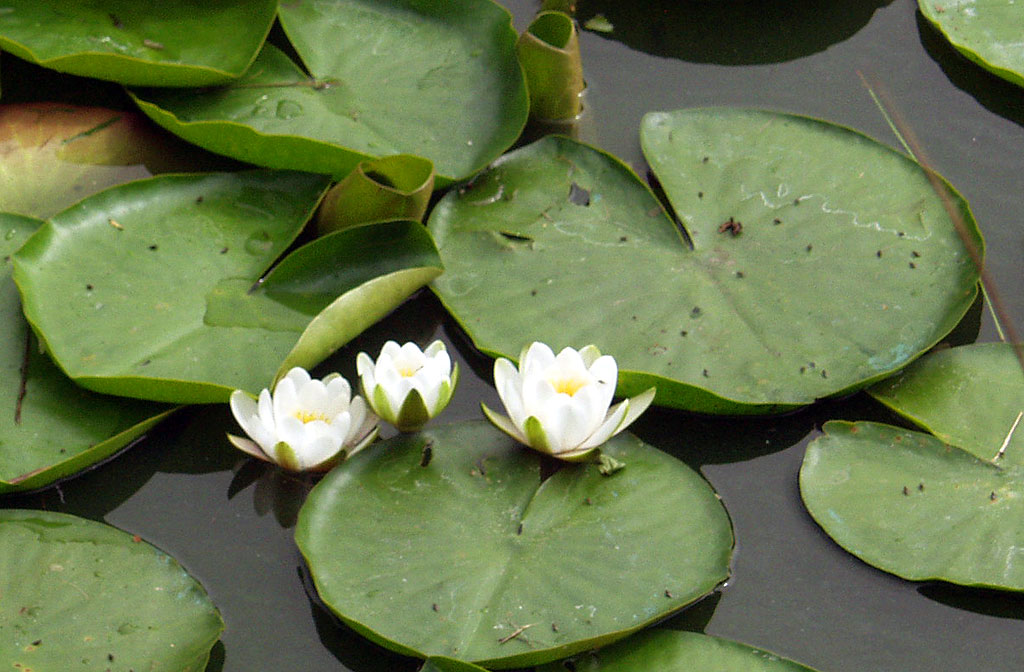


Characteristics
Nymphaea species share a set of morphological traits adapted to still or slow-moving freshwater. Key features include:
- Floating, often round leaves with a slit (peltate or reniform shape) attached to long petioles.
- Rhizomatous roots anchored in sediment, allowing perennial growth and vegetative spread.
- Large, typically fragrant flowers with numerous petals and stamens; bloom times and color vary by species.
- Reproductive adaptations for aquatic pollination and seed dispersal; many species are pollinated by insects such as beetles or bees.
Distribution and habitat
Water-lilies in this genus are widely distributed across temperate and tropical regions of the world. They occur in shallow lakes, ponds, marshes and slow-moving rivers where their rhizomes can take root in muddy substrates and their leaves can float on open water. Species show varying tolerances to temperature and water depth, which affects their natural ranges and suitability for cultivation.
Cultivation, uses and importance
Nymphaea are popular in horticulture for their foliage and long-lasting flowers. Gardeners choose between hardy species, which survive cold winters, and tropical species, which require frost-free conditions. Common uses and considerations include:
- Ornamental planting in garden ponds, formal pools and water features for visual impact and habitat enhancement.
- Ecological roles: providing shade that reduces algae growth, offering shelter for aquatic fauna, and contributing to pond biodiversity.
- Propagation: by division of rhizomes or from seed; many cultivars are bred for color, petal form and bloom habits.
History, culture and notable facts
Water-lilies have long appeared in art, religion and horticulture. Some species, such as the Egyptian blue water-lily (often identified as Nymphaea caerulea), were significant in ancient iconography and ritual. In modern times, water-lily imagery appears in landscape painting and garden design. Breeders have produced numerous hybrids and cultivars prized in aquatic gardening.
Distinctions and notable species
Nymphaea is distinguished from related aquatic genera by floral and leaf characteristics; for example, yellow pond-lilies of the genus Nuphar have cup-shaped flowers and different leaf attachment. Well-known Nymphaea species include N. alba (white water-lily), N. odorata (American white water-lily) and tropical forms prized for vivid colors. When planning planting, choose species or hybrids suited to local climate and pond conditions.
For further botanical details and species lists, consult botanical references or specialized aquatic-plant guides. Detailed cultivation advice can help match a Nymphaea selection to the gardener's climate, pond depth and aesthetic goals.
Related articles
Author
AlegsaOnline.com Nymphaea — water-lilies: description, ecology, cultivation, and cultural role Leandro Alegsa
URL: https://en.alegsaonline.com/art/71559