
Pele — Hawaiian goddess of fire, volcanoes and dance
Pele is a central figure in Hawaiian religion: a powerful goddess associated with fire, lightning, volcanoes and dance, traditionally linked to Kīlauea and woven into many island stories and practices.
Pele is a principal deity in Hawaiian religion, widely recognized as the goddess of fire, lightning, dancing and volcanic activity. She is most often associated with the eruptive power of islands and the appearance of molten lava, which many Hawaiians regard as a physical expression of her presence. Respectful observance of Pele and her realms remains important in cultural practices and environmental understandings across the Hawaiian Islands.
Image gallery
4 Images


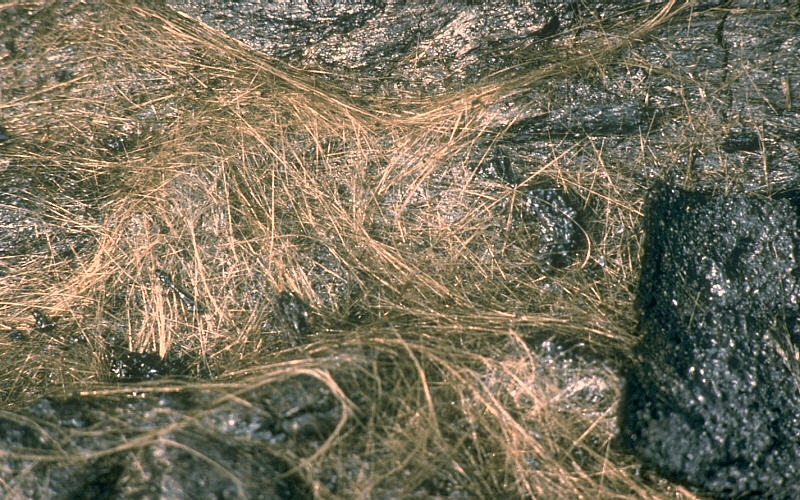
Characteristics and symbols
Pele is depicted both as a humanlike woman and as a force of nature. Common attributes and symbols include:
- Fire and volcanic eruption — her energetic domain and creative/destructive power, linked to fire and the land-building role of lava;
- Volcanoes and specific sites such as Kīlauea on Hawaiʻi island — where she is often said to dwell and act through volcanic activity (volcanoes);
- Dance and chant — especially hula and mele that recount her voyages, relationships and deeds;
- Family ties — many legends describe sisters and kin who embody other elements.
Origins and major myths
Oral traditions offer several interwoven stories about Pele’s origin and travels. In some accounts she comes from other islands or the heavens and travels across the Pacific to Hawaiʻi. One well-known strand describes her conflicts with a sea goddess — often named Nāmaka or a sibling who controls the ocean and opposes Pele’s fires (ocean). Other tales place her birth or temporary home in an elevated, sky realm (a land in the sky), reflecting the multiplicity of island narratives.
Cultural role and practices
Pele appears in chants, hula, stories and place names. Historically, offerings and kapu (sacred restrictions) governed interactions with places associated with her. Contemporary Hawaiians express reverence through ceremony, storytelling and environmental stewardship. Some versions of the tradition name a consort or companion (for example, traditions that refer to Wahielo), but accounts vary by island and family line.
Modern significance and notable facts
Pele remains a living part of Hawaiian identity and a focal point in debates about how to honor indigenous belief while managing geological hazards and tourism. Scientists study lava and eruptions at her traditional homes such as Kīlauea, and many residents treat volcanic events with a mix of scientific understanding and cultural respect. The multiplicity of Pele’s stories highlights the adaptability of Hawaiian oral culture and the layered meanings of landscape, hazard and creativity.
Whether encountered in chant, story, or the heat of fresh lava, Pele represents both destruction and creation — a formative force in Hawaiʻi’s natural and cultural history.
Further reading and resources: see cultural materials and island histories for primary chants and perspectives; academic and local sources offer complementary geological and ethnographic views (fire, volcanoes, Hawaiian religion, ocean, sky).
Related articles
Author
AlegsaOnline.com Pele — Hawaiian goddess of fire, volcanoes and dance Leandro Alegsa
URL: https://en.alegsaonline.com/art/75483