
Kartikeya (Murugan): Hindu god of war, victory, and Tamil devotion
Kartikeya, also called Murugan or Skanda, is a major Hindu deity associated with war, victory and youth. Revered especially in Tamil culture, he has six principal abodes and a rich ritual and festival tradition.
Kartikeya is a Hindu deity widely revered as the god of war and victory, and as a guardian of righteousness. Known by several regional names — most prominently Murugan in Tamil-speaking regions, Skanda in North India and Subramanya in parts of South India — he occupies a central place in the religious life of Tamil communities in India and across the Indian Ocean world. Devotees often emphasize his role as a youthful commander of the gods, a vanquisher of demonic forces, and a compassionate patron of language, learning and martial skill. For a discussion of the Tamil name and script, see Tamil Murugan.
Image gallery
10 Images




Identity and iconography
Kartikeya is typically described as the son of Shiva and Parvati. Mythic accounts portray him as born or created to lead the divine forces against the Asuras (demons) and to secure cosmic order. Iconographically he is usually shown as a vigorous youth, armed with a spear called the Vel, which symbolises spiritual insight and decisive power. He commonly rides a peacock and is sometimes accompanied by a rooster emblem that signals victory and vigilance. In some traditions he is called Shanmukha or Skanda, names that refer to his six-fold aspects or his roles in different narratives; regional variations of his name include Murugan and Skanda.
Historic development and literary tradition
Evidence of Kartikeya worship appears in early Tamil Sangam literature, where he is celebrated in poetry and cult practice. Over centuries his following developed distinctive rituals, temples and mythic cycles, absorbing local customs and stories. While the core legend — his birth to Shiva and Parvati and his triumph over demonic foes — remains consistent, devotional literature and temple hymns have produced many regional variations. Scholarly introductions to Kartikeya and his literature are available through resources that consider both pan-Indian and specifically Tamil traditions; see general summaries at Kartikeya studies and cultural overviews at Murugan in Tamil culture.
Principal shrines and pilgrimage
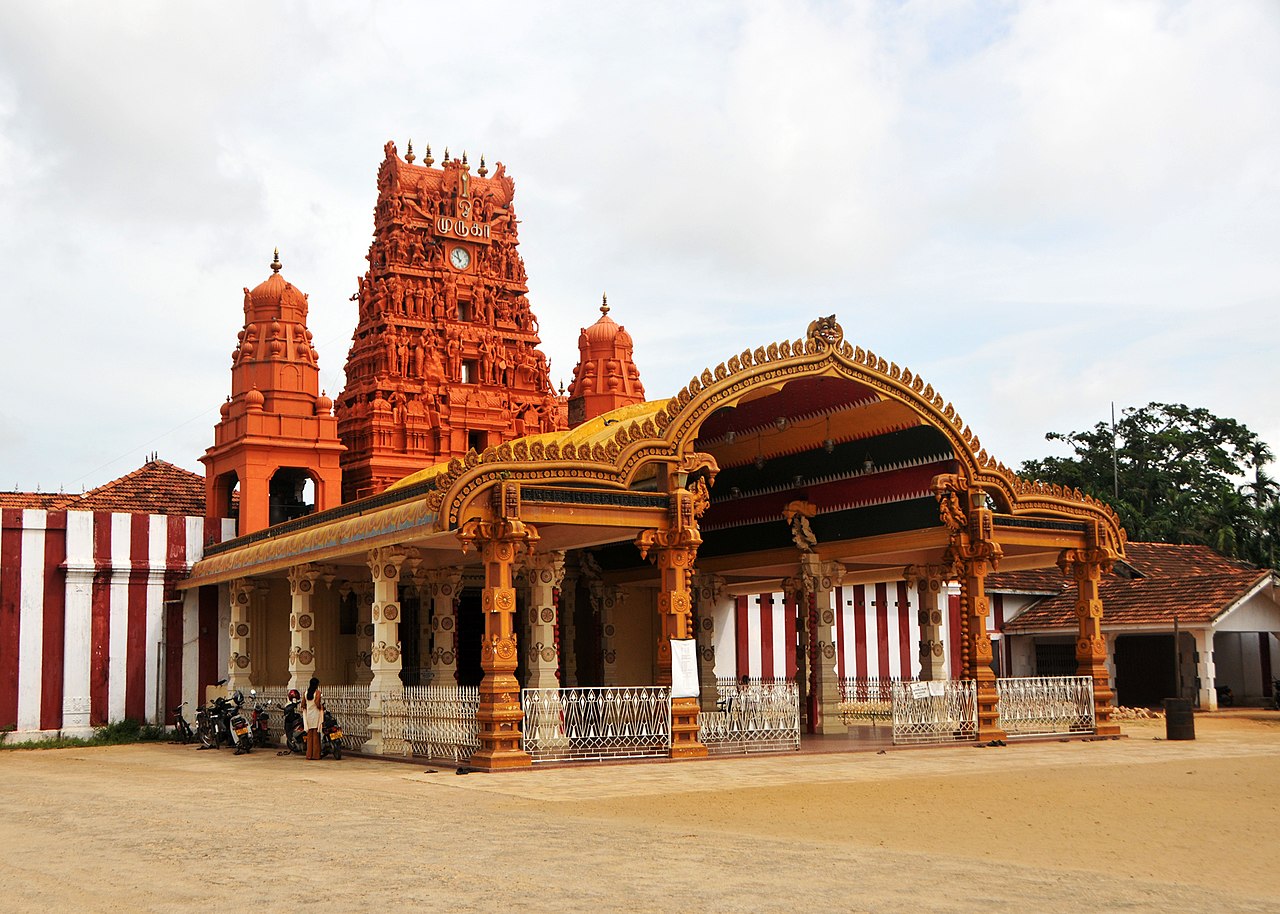
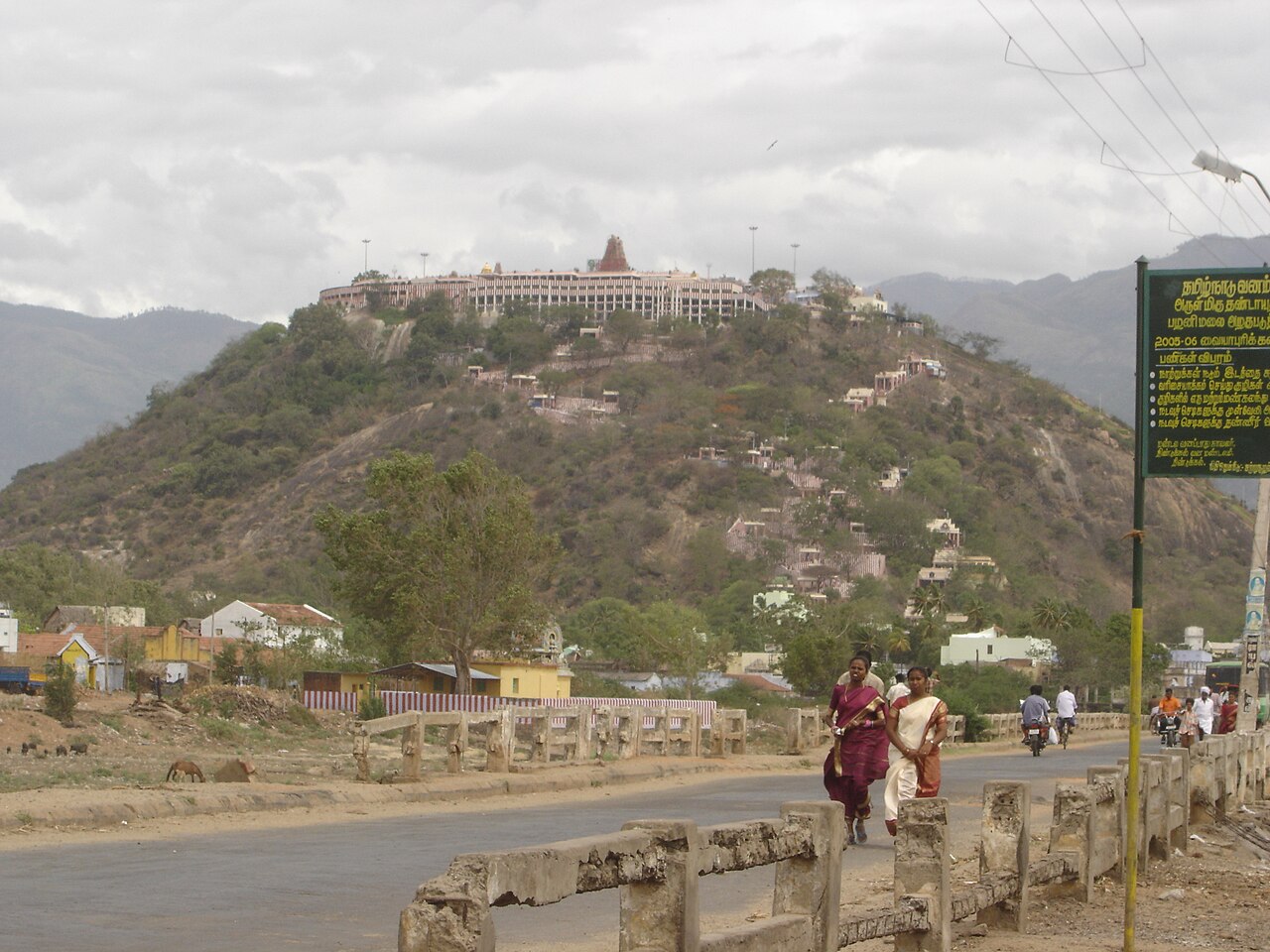
In Tamil Nadu six temples associated with Kartikeya form a connected pilgrimage tradition known as the Arupadaiveedu or "six battle camps". Each shrine has its own myths and ritual calendar and together they map the deity’s presence across the Tamil landscape. The six abodes are:
These temples attract millions of pilgrims annually and host elaborate services such as ritual bathing (abhisheka), processions and community feeding (annadanam). Many diaspora Tamil communities reproduce elements of these practices abroad; significant Kartikeya temples and festivals can be found in places with large Tamil populations, including Malaysia, India, Sri Lanka, Mauritius and Singapore.
Festivals, observances and cultural role
Major festivals associated with Kartikeya combine public drama, personal vows and community ritual. Important observances include:
- Thai Poosam (January–February): a day when devotees make vows and carry symbolic burdens such as kavadis or milk pots in processions.
- Vaikasi Visakam (May–June): commemorating the deity’s divine birth and celebrated with temple rituals and music.
- Kanda Shashti (October–November): a six-day fast culminating in the dramatic Soorasamharam, the re-enactment of the victory over the demon Surapadman.
Ritual practices vary markedly between regions: in some communities devotees undertake strict fasting and physical austerities, in others the emphasis is on temple music, poetry recitation and family-centered rites. Temple theatre, folk songs and classical literary compositions have all contributed to Kartikeya’s continuing cultural presence.
Distinctive features and contemporary relevance
Kartikeya’s significance combines martial imagery with a tender, youthful devotional model. He is distinct from other war deities by his repeated association with Tamil identity and language, a quality amplified by medieval and modern Tamil poets. In contemporary practice his festivals serve both religious and social functions: they sustain local economies, reinforce community networks among diaspora populations and preserve living traditions of music, poetry and ritual. For modern perspectives and temple listings consult introductory portals and regional guides: Tamil resources, Murugan sites and comparative entries at Skanda studies and Kartikeya overview. For diaspora contexts see cultural records related to Tamil communities abroad and temple directories in Malaysia and Singapore.
Related articles
Author
AlegsaOnline.com Kartikeya (Murugan): Hindu god of war, victory, and Tamil devotion Leandro Alegsa
URL: https://en.alegsaonline.com/art/67684
Sources
- rudraksha-ratna.com : "Archived copy" · web.archive.org
- deccanherald.com : deccanherald.com/content/373661/land-snake-god.html · web.archive.org