
Hyracotherium — an early Eocene mammal linked to early perissodactyl evolution
Small, early Eocene mammal once conflated with the 'dawn horse'. Hyracotherium is a Eurasian palaeothere whose classification has been revised; it illuminates early hoofed mammal evolution.
Overview
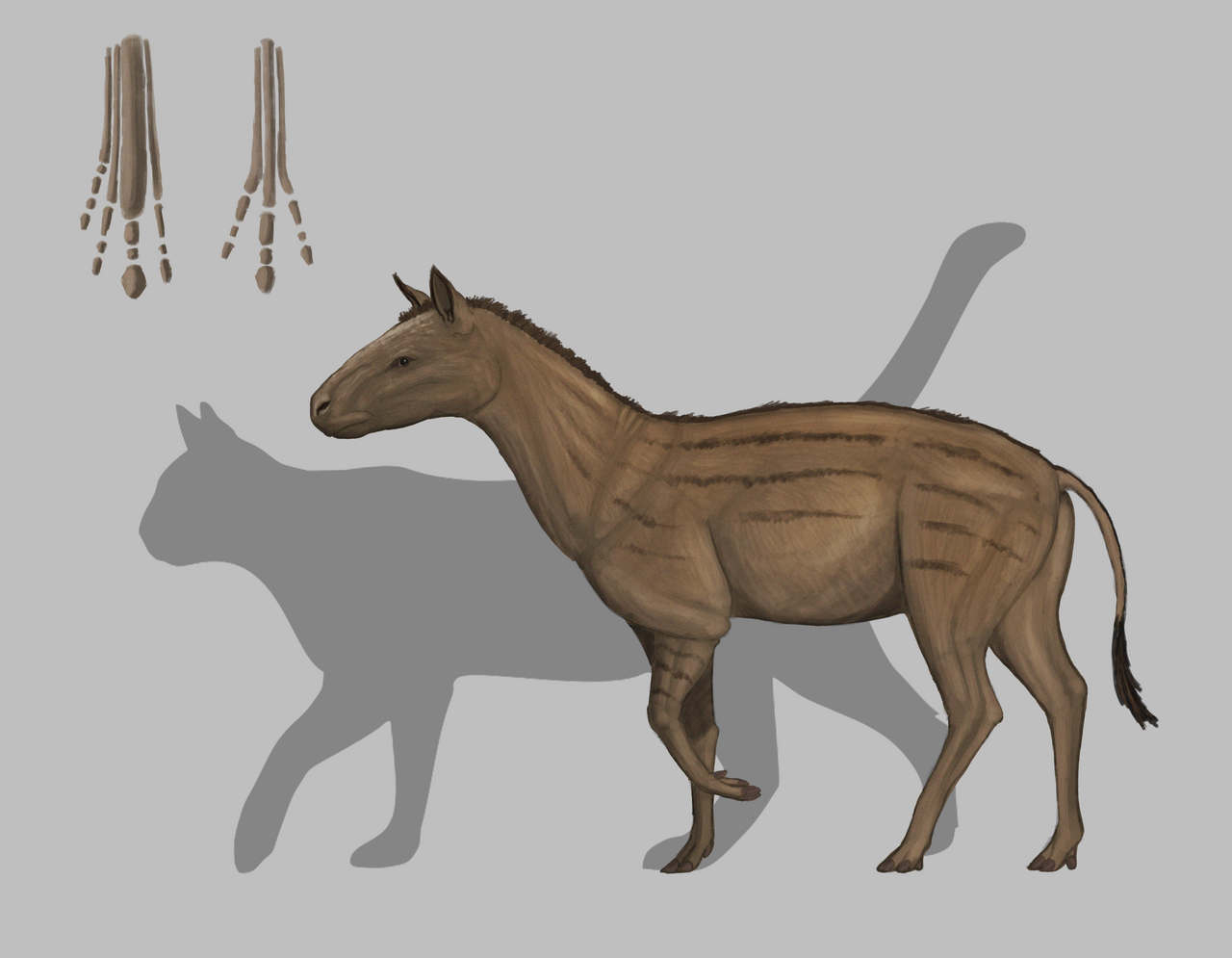
Hyracotherium is the name given to a small, extinct mammal known from early Eocene deposits. Historically it has been associated with the earliest members of the horse lineage and was at times confused with or called Eohippus (literally "dawn horse"). More careful study has shown that Hyracotherium, as originally used, represented a mix of closely related forms and that its exact relationships to later horses and to other primitive perissodactyls are more complex than early accounts implied.
Image gallery
10 Images





Physical characteristics
Fossil material indicates a small, lightly built herbivore adapted to life in warm, forested environments. Individuals were roughly the size of a small dog, with relatively short limbs and multiple functional toes on each foot — a structure suited for soft ground rather than fast running on open plains. Teeth were low-crowned and adapted for browsing leaves and soft vegetation rather than grazing abrasive grasses. These features reflect a browsing lifestyle in wooded habitats common in the early Eocene.
Discovery and naming
The first fossils now attributed to Hyracotherium were described in the 19th century from sites in England. The British anatomist Richard Owen coined the name and published the original descriptions. The original type species, H. leporinum, provided the basis for early comparisons with other small Eocene mammals. As new finds accumulated from different continents, paleontologists recognized that specimens grouped under Hyracotherium did not all form a single, natural genus.
Taxonomy and evolutionary significance
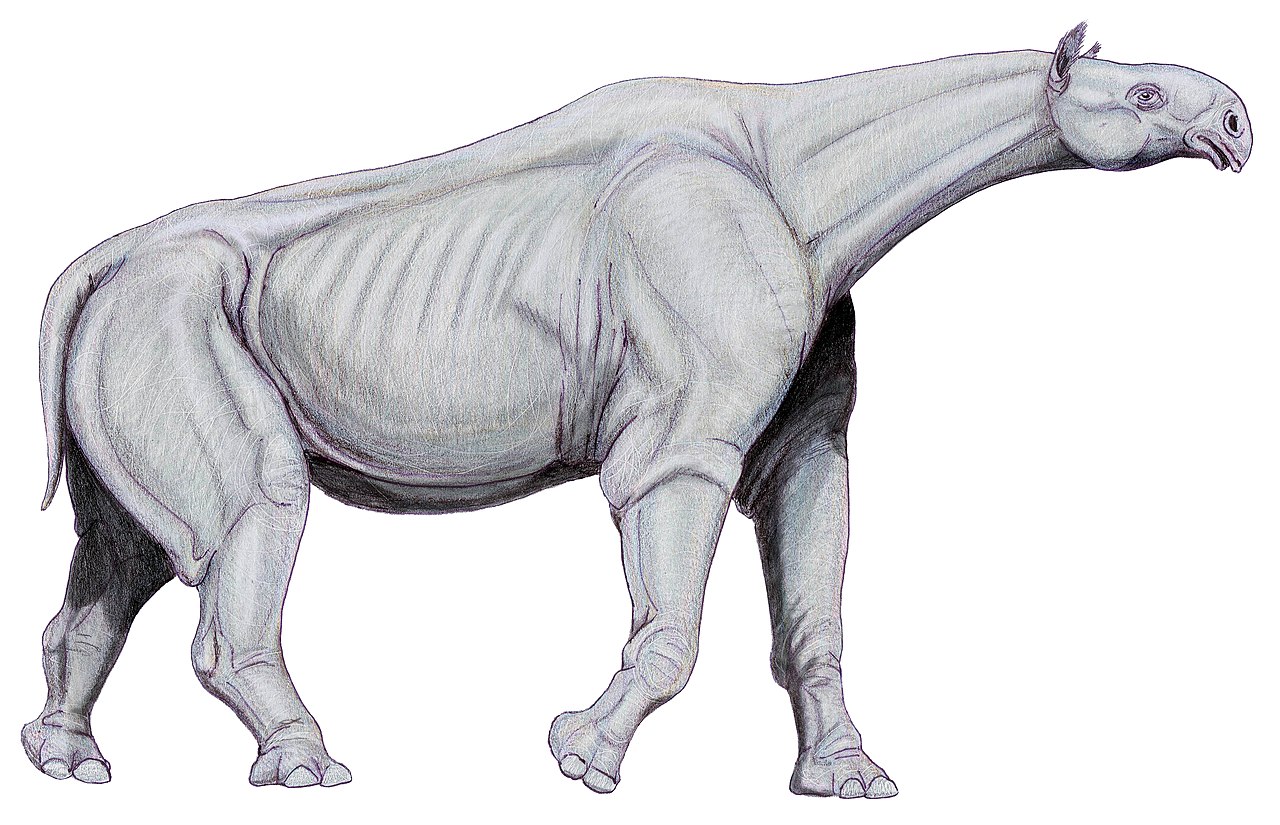
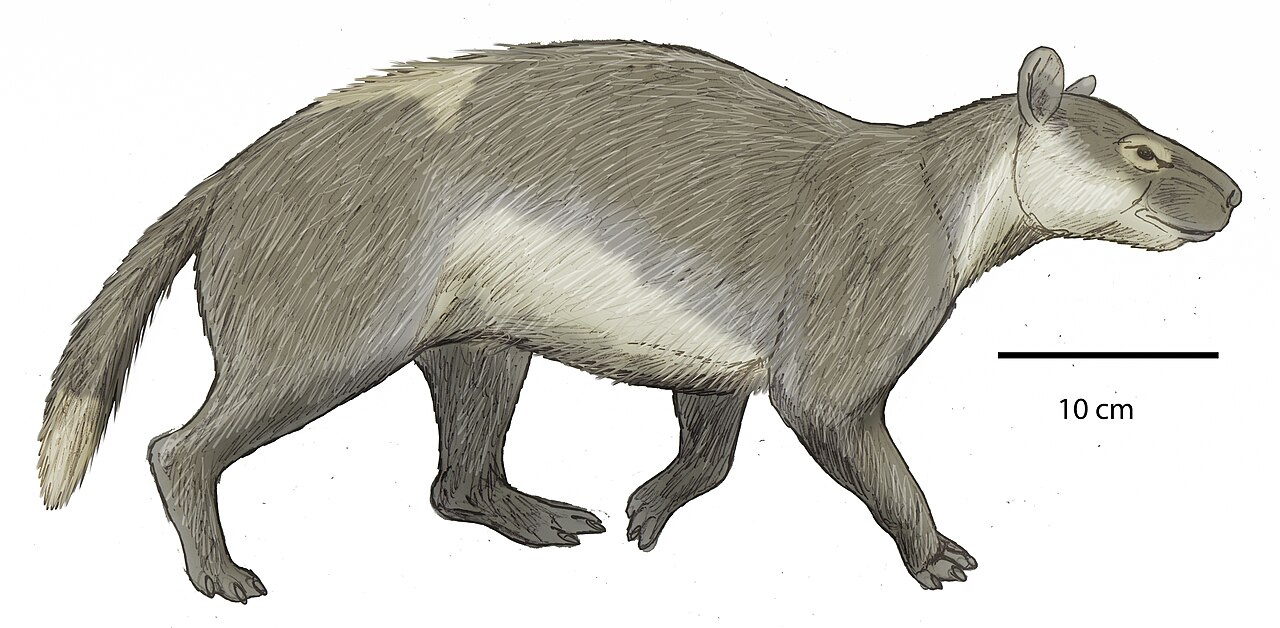
Hyracotherium has been placed among early members of the perissodactyl radiation and is often discussed in relation to palaeotheres and primitive equids. The term palaeothere is used for a group of early perissodactyl-like mammals that share several features with early horses but are not always direct ancestors of modern Equidae. Hyracotherium fossils are primarily known from Asia and Europe, and the genus lived during the early Eocene, roughly 55–45 million years ago. Subsequent taxonomic work reassigned some specimens to other genera (for example to North American taxa usually referred to as Eohippus or Sifrhippus), leaving Hyracotherium as a name most securely applied to certain Eurasian forms.
Importance and distinguishing facts
- Hyracotherium played a key role in early debates about the origin of horses and the pattern of hoofed mammal evolution.
- Its anatomy illustrates several transitional features: small body size, multiple toes, and teeth adapted to selective browsing rather than grazing.
- The genus highlights how fragmentary early fossil records and broad 19th-century naming practices can obscure evolutionary relationships until more specimens and refined analyses are available.
Because of its historical prominence in paleontology, Hyracotherium often appears in textbooks and museum displays discussing the early radiation of perissodactyls and the origins of the horse family. Modern studies rely on careful comparison of skeletal details and stratigraphic context to sort which early Eocene species belong to Hyracotherium sensu stricto and which represent related but distinct lineages — a process reflected in primary literature and accessible summaries from general paleontology resources (see Eohippus), (palaeothere) and other overview articles.
For further background on the geological time frame, fossil sites, and subsequent reclassifications, consult specialist summaries and reviews in paleontological literature and museum collections indexed in online databases (Asia sites), (Europe sites) and classic descriptions originating from 19th-century work in England by researchers such as Richard Owen and later authors who established the type species H. leporinum.
Overall, Hyracotherium remains an instructive taxon for understanding early mammalian diversification after the end-Cretaceous events and the evolutionary experimentation that produced modern hoofed mammals.
Questions and answers
Q: What was Hyracotherium previously called?
A: Hyracotherium was previously called Eohippus.
Q: What is the species of Hyracotherium?
A: Hyracotherium is a Eurasian species, a Palaeothere.
Q: Is Hyracotherium the same as Eohippus?
A: No, Hyracotherium is not the same animal as Eohippus, which is the earliest horse.
Q: When did Hyracotherium live?
A: Hyracotherium lived during the early Eocene epoch, about 55-45 million years ago.
Q: Where did Hyracotherium live?
A: Hyracotherium lived in the northern hemisphere in Asia and Europe.
Q: Who found the first fossils of Hyracotherium, and where?
A: The first fossils of Hyracotherium were found in England by Richard Owen in 1841.
Q: What is the original type species of Hyracotherium, and what is it regarded as now?
A: The original type species of Hyracotherium is H. leporinum, which is now regarded as an Eohippus.
Related articles
Author
AlegsaOnline.com Hyracotherium — an early Eocene mammal linked to early perissodactyl evolution Leandro Alegsa
URL: https://en.alegsaonline.com/art/46220
Sources
- doi.org : 10.1046/j.1096-3642.2002.00005.x
- doi.org : 10.1006/zjls.1994.1033