
Otsego Hall — ancestral home of James Fenimore Cooper
Otsego Hall was the Cooper family residence in Cooperstown, New York. Built in the 1790s by William Cooper, it became the lifelong home of novelist James Fenimore Cooper and a regional landmark.
Overview
Otsego Hall was the large family residence at the center of early Cooperstown life. Located in Cooperstown, New York, it was erected by William Cooper, the town's founder, as a showpiece and family seat. The house is best known as the ancestral home of the American author James Fenimore Cooper, whose writings and public life were closely associated with the region around Otsego Lake.
Image gallery
1 Image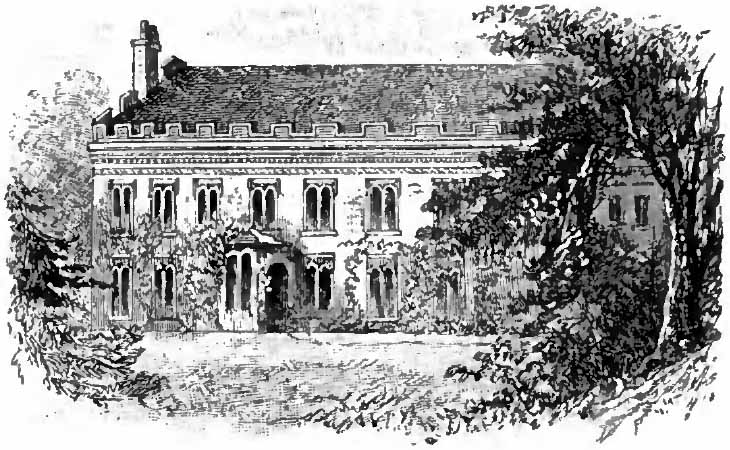
Design and characteristics
Constructed near the end of the 18th century, the hall combined the scale and symmetry popular in refined domestic architecture of the period. Begun in 1796 and completed in 1799, it stood for many years as one of the largest private houses in central New York. Contemporary descriptions emphasize its substantial brickwork, formal rooms for entertaining and family living, and siting that took advantage of nearby water and landscape.
History and later restoration
William Cooper built the house as the family's primary residence, and it remained a focal point of Cooperstown society. After periods spent living elsewhere, his son James returned to the house and in June 1834 undertook repairs and reoccupation after the building had been closed and allowed to decline. For a time he split his time seasonally, spending winters in New York City and summers at Otsego Hall, before making it his permanent residence in later years. The hall's renewal under James Cooper restored its social prominence in the village and reinforced the connection between his public identity and the Cooperstown community.
Legacy and fate
Otsego Hall did not survive indefinitely. Several years after James Fenimore Cooper's death the house burned and was lost; its grounds and remaining holdings were subsequently sold. Members of the Cooper family reused material from the site in later buildings: his daughter and longtime secretary, Susan Fenimore Cooper, incorporated reclaimed bricks and other elements from the ruins when building her own home. Portions of the former property and the cultural memory of the house continued to shape Cooperstown's identity.
Importance and context
Beyond its role as a family residence, Otsego Hall figures in regional history as a tangible expression of early American settlement and aspiration. It stood as a backdrop to the life of one of the nation's early novelists and to the social and economic life of a village founded in the post-Revolutionary era. Today discussion of Otsego Hall often appears in local histories, biographies of James Fenimore Cooper and studies of Federal-era domestic architecture.
- Built: 1796–1799
- Founder/builder: William Cooper
- Notable resident: James Fenimore Cooper
Related articles
Author
AlegsaOnline.com Otsego Hall — ancestral home of James Fenimore Cooper Leandro Alegsa
URL: https://en.alegsaonline.com/art/73517