
James Fenimore Cooper: American novelist and creator of Natty Bumppo
James Fenimore Cooper (1789–1851), an early American novelist, known for the Leatherstocking Tales and for shaping frontier and sea fiction in the 19th century.
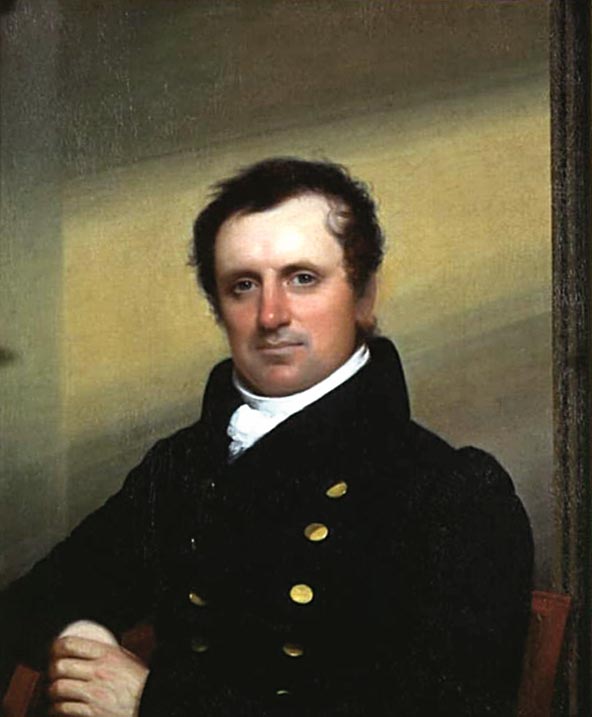
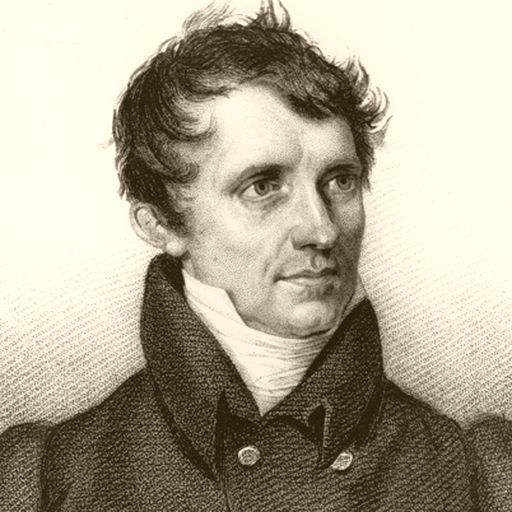
James Fenimore Cooper (September 15, 1789 – September 14, 1851) was an American novelist whose work helped define early national literature in the United States. Born into the family that founded Cooperstown, New York, Cooper drew on his youth on the frontiers and a brief naval career to create stories about wilderness, seafaring life, and the tensions of a growing republic. He is best remembered for the character Natty Bumppo, also known as Leatherstocking, whose figure became an enduring archetype of the American frontiersman.
Image gallery
9 Images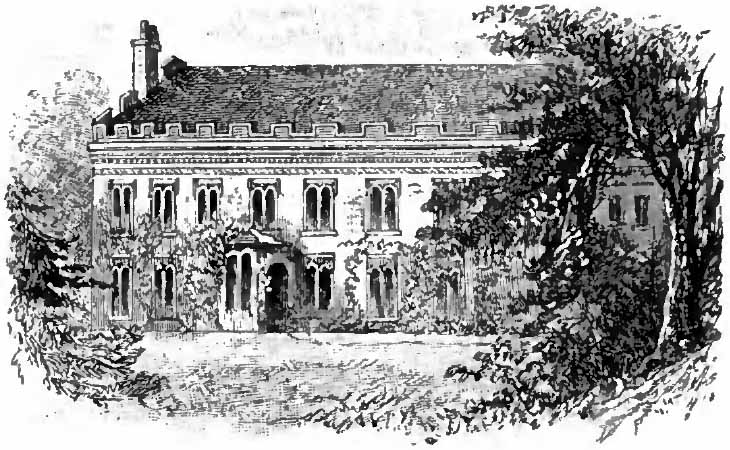


Life and career
Cooper received a formal education at a young age and later spent several years in the U.S. Navy, experiences that provided material for many of his novels. He began publishing fiction in the 1820s; his first books were influenced by British models, but he soon turned to distinctly American subjects. His commercial success allowed him to write prolifically across genres, including historical novels, nautical adventures, and social commentaries. For readers seeking a concise guide to his life, see further biographical notes.
Major works and characters
Cooper's reputation rests largely on two groups of writings: the Leatherstocking Tales and his sea novels. The Leatherstocking cycle follows a single protagonist through several stages of life and explores frontier encounters between European settlers and Native American nations. Among his best-known titles is The Last of the Mohicans (1826), which remains widely read and adapted.
- Leatherstocking series (features Natty Bumppo, also called Hawkeye, Pathfinder, Deerslayer)
- Notable sea and adventure novels, including tales of sailors and pilots
- Travel and political writings that commented on American society and institutions
Collections of his primary texts and editions of his novels are available in many libraries and online repositories; for access to texts and editions consult primary works and editions.
Themes, reception and legacy
Cooper's fiction often contrasts wilderness and civilization, examining how law, property, and social order reshape landscapes and communities. His portrayals of Native American characters and frontier life reflected both sympathy and the limitations of his time, and they have prompted extensive scholarly reassessment. Critics in his own era sometimes faulted his style, while readers praised his storytelling and imaginative scope. Over time Cooper has been credited with helping to launch a distinctly American tradition of the historical and sea novel and with influencing later writers interested in nature, national identity, and adventure.
Today Cooper's work is studied for its literary innovation and cultural influence. The figure of Natty Bumppo remains one of the most recognizable inventions of early American fiction, and adaptations of his novels continue to appear in film, theatre, and popular culture. His connection to Cooperstown and to early national debates about expansion and civilization secures his place in the history of American letters.
Related articles
Author
AlegsaOnline.com James Fenimore Cooper: American novelist and creator of Natty Bumppo Leandro Alegsa
URL: https://en.alegsaonline.com/art/49211