
Outhouse: Outdoor Simple Toilet Structures and Their Variants
An outhouse is a small outdoor building that shelters a non‑plumbed toilet. This article describes its types, design features, history, uses, maintenance and sanitation considerations.
An outhouse is a small detached structure built to enclose a toilet placed away from a main building. Traditionally used where indoor plumbing is absent, it typically houses a pit latrine, bucket toilet or other dry device. Outhouses serve rural homes, campsites and remote workplaces where sewer connections are impractical.
Image gallery
10 Images


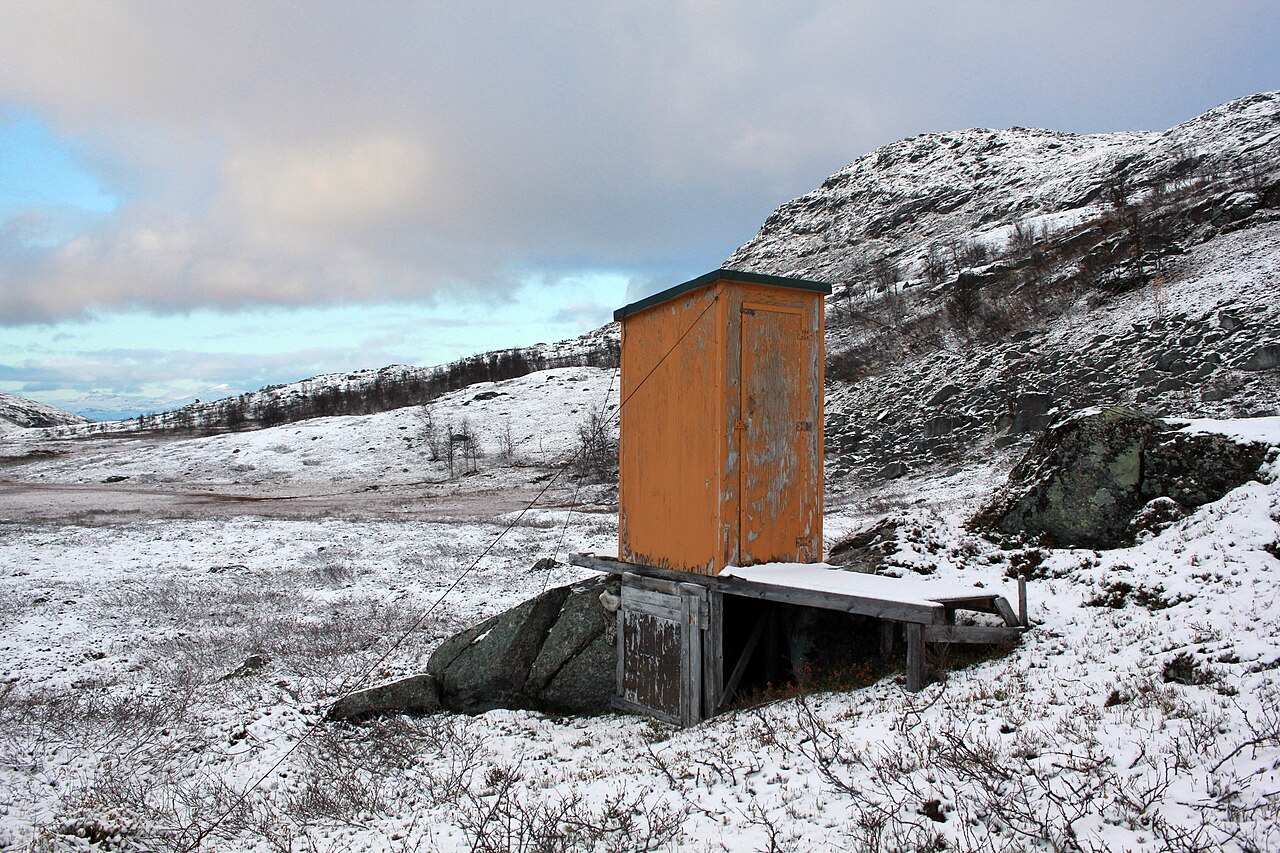


Common characteristics
Most outhouses are simple, single‑room wood or metal sheds with a raised seat and a waste chamber beneath. Features often include a ventilated roof or pipe, a door for privacy, and a modest footprint to allow relocation or pit excavation. Some designs retain a recognizable decorative cutout in the door for light and ventilation.
Types of toilets inside
The toilet within an outhouse may be a pit latrine, a bucket system, a composting unit, or other dry (non‑flushing) toilets. Pit latrines collect feces below ground; composting units promote aerobic decomposition; bucket systems collect waste for removal. Choice depends on climate, soil, odor control and maintenance capacity.
History and development
Outhouses have existed in many cultures as the simplest sanitary provision before widespread sewerage. In temperate regions they were common on farms and in villages until indoor plumbing became broadly available. Over time, designs adapted to reduce odors and fly access and to improve user comfort.
Uses, maintenance and sanitation
Outhouses remain practical for remote camps, seasonal cabins and emergency sanitation. Proper siting, pit lining, periodic emptying or relocation, and steps to limit flies and runoff are key to health. When well managed—combined with handwashing or sanitation stations—outhouses can reduce disease transmission compared with uncontrolled open defecation.
Distinctions and notable facts
Modern variants incorporate urine diversion, ventilation stacks and composting technology. Legal rules for siting and abandonment vary by jurisdiction. For more on basic toilet types see toilet. Simplicity, portability and low cost explain why outhouses persist where plumbing is not feasible.
Related articles
Author
AlegsaOnline.com Outhouse: Outdoor Simple Toilet Structures and Their Variants Leandro Alegsa
URL: https://en.alegsaonline.com/art/73659
Sources
- sewerhistory.org : "Sewer History: Photos and Graphics"