
Sultan of Oman — monarch, head of state, and national leader
The Sultan of Oman is the hereditary monarch and central political authority of the Sultanate of Oman, head of the ruling Al Said dynasty, combining ceremonial, executive and military responsibilities.
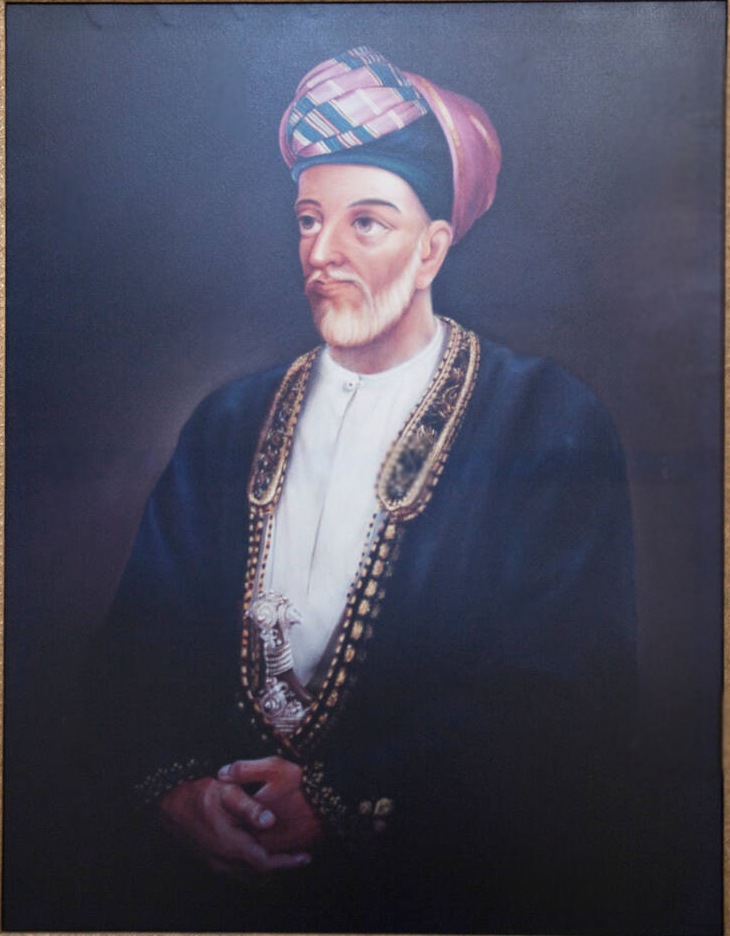
The Sultan of the Sultanate of Oman is the country's monarch and principal national leader. The office is occupied by a member of the Al Said family, the dynasty that has governed Oman since the mid‑18th century. The sultan functions as both the symbolic head of the nation and the chief executive authority, and currently the position is held by Haitham bin Tariq Al Said, who became sultan on 11 January 2020. Historically and today the role shapes Oman's domestic institutions and foreign relations across the Arabian Peninsula and beyond.
Image gallery
10 Images




Role and powers
The sultan concentrates several powers that in other states might be divided among different offices. As the principal monarch and head of state, he appoints the cabinet, issues decrees, endorses legislation, and oversees national defence and security arrangements. The office traditionally directs foreign policy and represents the country internationally. Omani governance blends these executive prerogatives with consultative bodies, including ministerial councils and advisory assemblies.
Key functions
- Appointing and dismissing ministers and senior officials.
- Promulgating laws and issuing royal decrees.
- Commanding the armed forces and guiding security policy.
- Setting foreign policy and representing the state abroad.
Although many decisions are made through established institutions, the sultan retains decisive authority in areas deemed matters of state security, national unity and high policy. The office is therefore central to political stability and long‑term strategic planning.
History and succession
The Al Said dynasty traces its origins to the mid‑18th century under Ahmad bin Said al‑Busaidi. During the 19th century, Omani influence expanded to parts of East Africa, most notably Zanzibar, under earlier sultans. In the 20th century the state underwent processes of modernization and institutional development. Succession in Oman follows dynastic practice within the Al Said family; when a clear heir is not immediately agreed, historical custom allows the family to select a successor or to consult a sealed designation left by the deceased sultan.
The sultanate's history has combined traditional monarchy with gradual administrative reforms, producing a governance model distinct from nearby monarchies and emirates while reflecting Oman's regional and maritime heritage. For more on the country's institutions and modern development see Oman.
Notable features of the office include its longevity as a single‑family rule, its fusion of executive and symbolic roles, and its influence on Oman's diplomatic posture. The sultan remains a pivotal figure for national identity, economic strategy, and the management of social and tribal relationships across the country.
Related articles
Author
AlegsaOnline.com Sultan of Oman — monarch, head of state, and national leader Leandro Alegsa
URL: https://en.alegsaonline.com/art/94746
Sources
- reuters.com : "Oman's new ruler Haitham bin Tariq takes oath: newspapers"
- books.google.com : pages 204-205
- worldstatesmen.org : Oman