
Muscat: capital and principal city of Oman
Muscat is Oman’s capital and largest city, a coastal metropolis on the northeastern Arabian Peninsula with historic ports, modern institutions, diverse neighbourhoods and cultural landmarks.
Overview
مسقط is the capital and largest city of the Sultanate of Oman. Located on the country’s northeast coast, Muscat functions as the political, economic and cultural centre of the country. It is the principal city of the wider administrative governorate of Muscat and had a population of roughly 1.28 million in mid‑decade estimates (2015). The metropolitan area spreads along a natural harbour and onto the lower slopes of the Al Hajar mountains. The city’s municipal area is often cited as covering about 3,500 km2, including surrounding suburbs and coastal zones.
Image gallery
10 Images



Geography and urban layout
Muscat’s urban fabric combines historic harbour quarters, low‑rise residential districts and newer government and commercial precincts. Distinct areas include the old Mutrah harbour and souq, commercial centres such as Ruwi and Al Khuwair, and coastal suburbs like Qurum and Seeb. The waterfront, nearby wadis (seasonal valleys) and the mountain fringe shape patterns of growth and recreation. Vegetation is limited by the arid climate, and coastal and marine habitats remain important for local biodiversity.
History and development
The site of Muscat has been a maritime trading hub for centuries, linking the Arabian Peninsula with India and East Africa. In the early modern period the city saw foreign presence by regional and European powers, and later became the seat of the ruling Al Bu Sa'id dynasty. In the 20th century oil revenues and public investment brought extensive modernization: roads, ports, administrative buildings and cultural institutions altered the urban landscape while traditional quarters were in many cases conserved or restored.
Demographics and society
Arabic is the official language, and English is widely used in commerce, education and tourism. Muscat is home to a diverse population that includes Omani citizens and expatriate communities from South Asia, East Africa and elsewhere. Religious, linguistic and cultural diversity is reflected in neighbourhood life, markets and commercial activity, while public services and recreational spaces serve residents and visitors alike.
Economy, culture and landmarks
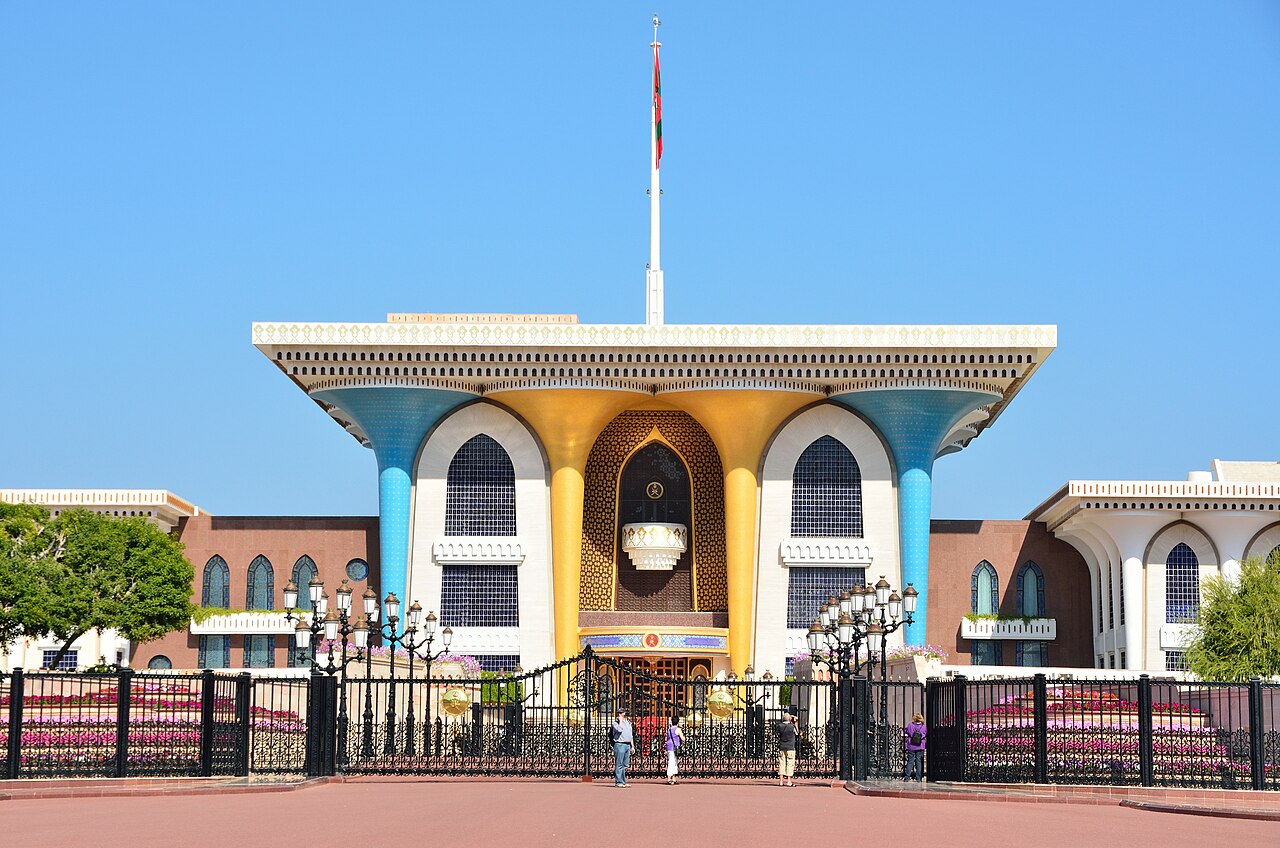
Government services, shipping, logistics, fishing, tourism and oil‑related activities form the backbone of Muscat’s economy. Cultural attractions include historic forts, traditional souqs, and modern landmarks such as major mosques and performing arts venues. Popular visitor sites include the Mutrah Corniche and Mutrah Souq, several restored coastal forts and contemporary museums and galleries. The city balances development with efforts to protect coastal and marine environments.
Administration, transport and services
Muscat is administered through municipal and governorate institutions and encompasses several wilayats (districts). The city is served by Muscat International Airport and commercial ports that handle passenger and cargo traffic. A growing road network links Muscat with other parts of Oman, and public transport and infrastructure projects aim to improve urban mobility and services.
Further reading and official context
For concise introductions and official references, see the city’s status as the capital, the broader national context at the Sultanate of Oman entry and administrative details for the governorate. The Arabic form and local place names are presented under مسقط.
Related articles
Author
AlegsaOnline.com Muscat: capital and principal city of Oman Leandro Alegsa
URL: https://en.alegsaonline.com/art/67698