
Monarchy: forms, history, succession, and modern roles
Monarchy: a system with a monarch as head of state. Overview of types (hereditary, elective, constitutional, absolute), succession, historical development, common titles and modern functions.
A monarchy is a system of government in which a single person, the monarch, serves as the official head of state. Monarchs may exercise broad executive powers, or they may serve primarily symbolic and ceremonial roles depending on the country's constitution and political traditions. The office is typically held for life and can end by death or voluntary resignation; leaving the throne voluntarily is known as abdication.
Image gallery
10 Images






Types and characteristics
Monarchies come in several distinct forms. In a hereditary monarchy the crown passes within a family according to rules of succession; in an elective monarchy a new sovereign is chosen by a council, assembly or body of electors. Modern states may combine monarchy with democratic institutions: in a constitutional monarchy the monarch's powers are limited by law and political authority rests with elected officials, while in an absolute monarchy the monarch retains substantial political control.
Titles and cultural variety
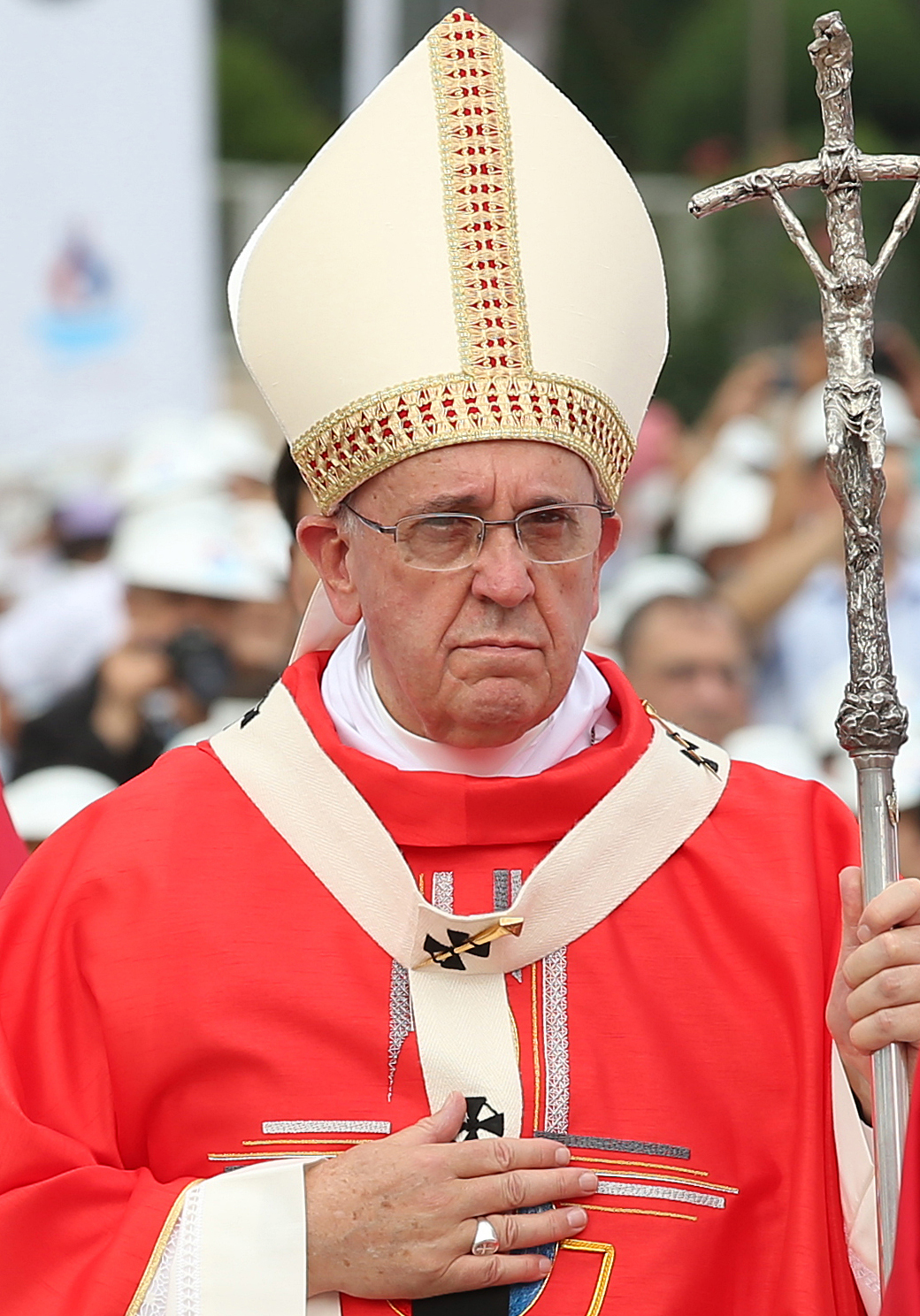
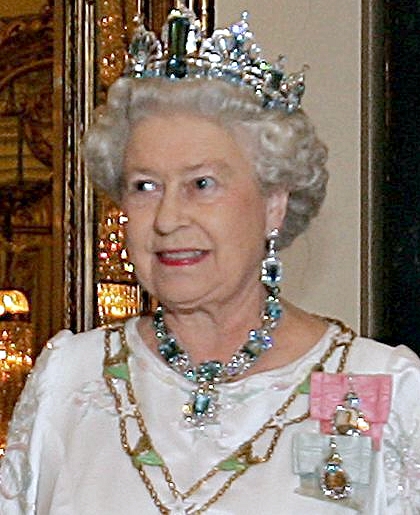
The title used for a monarch reflects linguistic, religious and historical traditions. Common titles include King and Queen, and higher imperial ranks such as Emperor and empress. Other regional titles include Kaiser, Shah, Emir, Khan, and Sultan. Some religious offices functioned as elective monarchies; the most widely known example is the Pope, chosen by a college of electors.
Succession, regency and conflict
Succession rules—such as primogeniture, cognatic or agnatic descent, or election—determine who becomes the next sovereign. When a monarch is incapacitated or the rightful heir is a minor, a regent may govern temporarily. Disputed successions have often produced armed conflict. States and societies without fixed succession protocols sometimes settled claims through force or rivalry, as occurred in various warrior societies, including the Zulu, and in repeated dynastic struggles elsewhere. Such clashes are commonly described as "wars of succession."
Historical development and modern importance
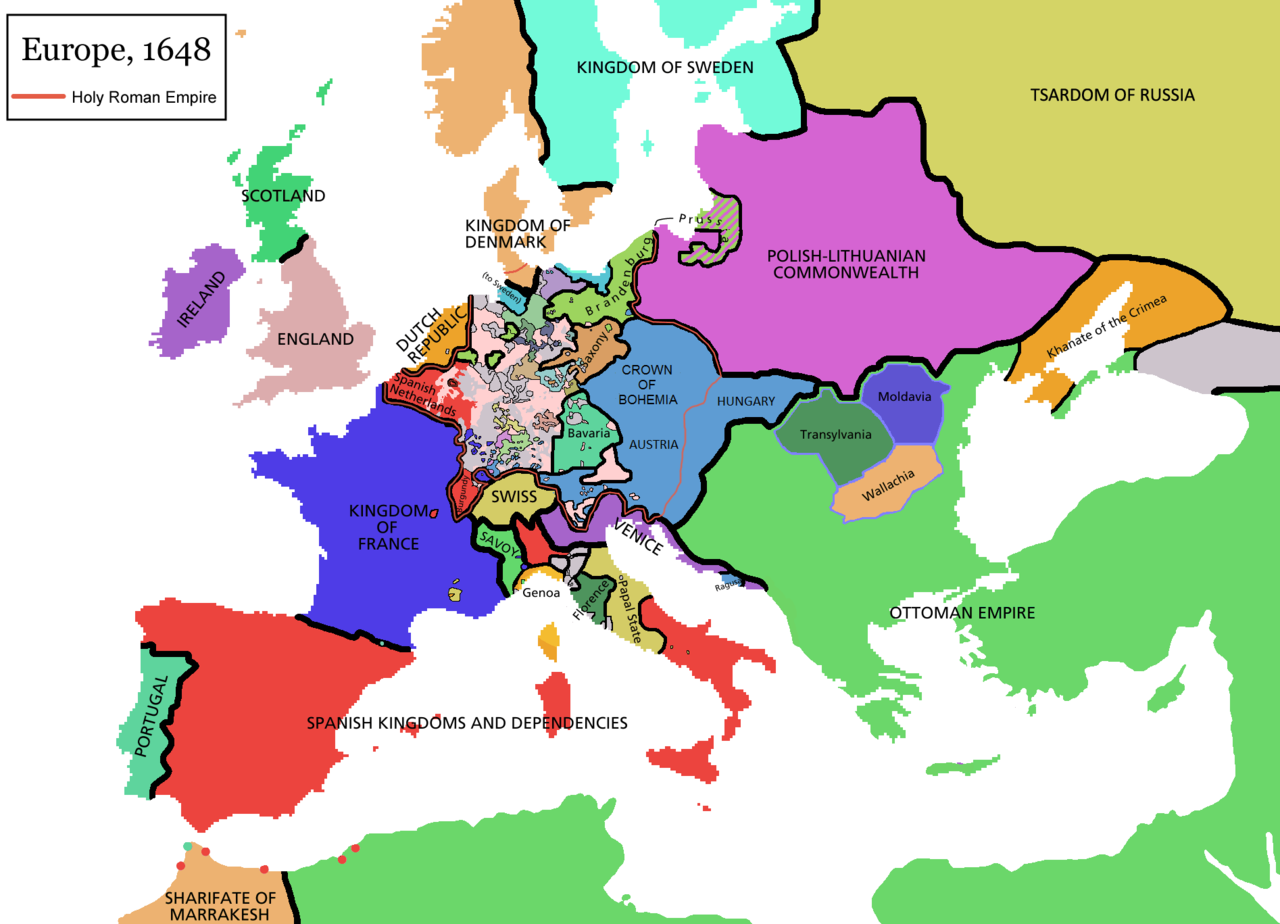
Monarchical institutions trace back to early chiefdoms and city-states and later developed into kingdoms and empires. Over centuries many monarchies adapted to changing political ideas by accepting constitutions, parliaments and legal limits. Today, monarchs can play stabilizing roles as nonpartisan symbols of continuity, heads of state who carry out ceremonial duties, or in some countries as active political leaders. Whether ceremonial or powerful, monarchies remain an influential form of political organization with deep cultural roots.
Distinctions and notable facts
- Elective monarchies are rare but historically significant; the papacy is a notable modern example (Pope).
- Abdication (abdication) allows voluntary transfer of the throne, sometimes to avoid crisis.
- Titles vary worldwide; examples include King, Queen, Emperor, Kaiser, Shah, Emir, Khan, and Sultan.
Understanding monarchy involves both its legal framework and its cultural meaning: as an institution it can be a source of national identity, legal continuity, or political power depending on historical circumstances. For further reading see specialized sources and historical studies on different dynastic systems and constitutional arrangements.
Questions and answers
Q: What is a monarchy?
A: A monarchy is a type of government where a hereditary ruler, known as a monarch, is the head of state.
Q: How do monarchs usually rule?
A: Monarchs usually rule until they die or pass down their office to someone else (known as abdication).
Q: Are all monarchies hereditary?
A: No, some are elected. The most famous example of an elected monarch is the Pope of the Roman Catholic Church.
Q: What are some titles for monarchs?
A: Some common titles for monarchs include King, Queen, Emperor, Empress, Czar, Kaiser, Shah, Emir, Khan and Sultan.
Q: How were leaders chosen in less formal societies?
A: In less formal societies such as warrior societies like the Zulu tribe, leaders were often chosen by fighting. Kings of England and Scotland were sometimes decided by battle too.
Q: What is "wars of succession"?
A: Wars of succession refers to warfare caused by two or more individuals claiming the right of successor to a dead or deposed monarch.
Tags
Related articles
Author
AlegsaOnline.com Monarchy: forms, history, succession, and modern roles Leandro Alegsa
URL: https://en.alegsaonline.com/art/65956