
Old World (Europe, Asia and Africa): historical and geographic overview
The Old World denotes the interconnected continents of Europe, Asia and Africa: their deep historical connections, major trade networks, role in pre-modern exchange, and the term's modern interpretations and critiques.
Definition and scope
The phrase "Old World" traditionally designates the three landmasses of Europe, Asia and Africa. It developed in European usage to contrast these long-known, interlinked continents with territories that became familiar to Europeans only after transoceanic voyages, most notably the Americas and parts of Australasia. The term is geographic shorthand but also carries historical and cultural connotations: it evokes the dense networks of trade, migration, war and intellectual exchange that connected societies across Afro-Eurasia for millennia.
Image gallery
6 Images



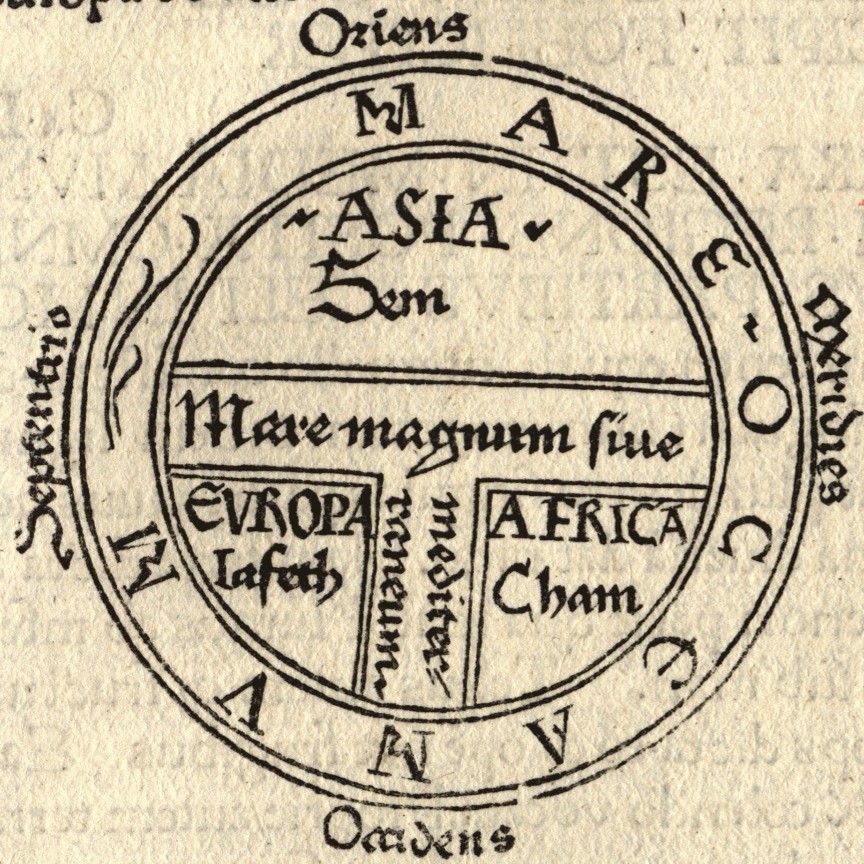

Origins of human populations and early contact
Modern humans trace deep ancestry to populations in Africa, while subsequent migrations populated Asia and Europe. Over long periods, interaction among communities on these continents produced shared technologies, widely used domestic plants and animals, and sometimes large polities. Political organization ranged from kin-based or tribal societies to centralized nations in different eras. Regions such as the Middle East and Mediterranean served as crossroads where goods, ideas and people moved between east and west.
Major routes and mechanisms of exchange
Connections across the Old World took multiple forms. Overland corridors like the Silk Road carried silk, metals, religions and technologies between Asia and Europe, while maritime routes in the Indian Ocean linked coastlines of Africa, South Asia and Southeast Asia. The Mediterranean Sea fostered dense commercial and cultural ties among southern Europe, North Africa and the Near East. These long-distance exchanges shaped agricultural repertoires, craft traditions, and urban growth across Afro-Eurasia.
Age of Discovery and changing connections
From the late 15th century onward, Europeans undertook voyages that brought the Old World into sustained contact with the Americas and later with the islands and continental shores of Australasia. Expeditions sponsored by powers such as Spain began an era of expanded trade, colonization and competition. These encounters produced the so-called Columbian Exchange: an extensive transfer of crops, animals and technologies as well as pathogens. The introduction of Old World livestock and crops transformed many parts of the New World, while the inadvertent movement of disease had catastrophic demographic effects on indigenous populations.
Exploration of Australasia and Oceania
European contact with lands in the southern hemisphere unfolded later. The charting and subsequent imperial interest in places now known as Australia, New Zealand and the island regions of Papua and New Guinea were major episodes of global exploration. Many of these maritime voyages and surveys were carried out by fleets including the British Royal Navy during the 18th and 19th centuries, though all these lands were already inhabited by diverse indigenous societies long before European arrival.
Uses of the term in scholarship and popular language
Scholars use "Old World" in comparative history, biogeography and archaeology to differentiate Afro-Eurasian systems from the Americas and Pacific islands. The phrase is convenient for discussing longstanding intercontinental contacts, the diffusion of crops and animals, and patterns of cultural exchange that predate global empires. At the same time, modern historiography warns that the label carries a Eurocentric legacy: traditional narratives often focused on Europe and the Middle East while underrepresenting inland Africa, interior Asia, and other areas whose histories were complex and internationally connected in their own ways.
Major themes associated with the Old World
- Deep and repeated interaction among societies through trade routes, pilgrimages and empires.
- Early development and spread of urbanism, metallurgy, writing systems and major world religions.
- Rich agricultural and domestic animal exchanges within Afro-Eurasia that established similar biocultural foundations across continents.
- The asymmetries introduced by Atlantic crossings from the late 15th century, which altered global demography, economics and power relations.
Critical perspectives and contemporary relevance
Understanding the Old World requires balancing the recognition of its long-standing interconnections with sensitivity to diverse local histories. The phrase remains useful as a geographic and comparative term, but historians and educators increasingly emphasize networks that transcend simple Old World/New World binaries. Current research explores cross-regional influences, environmental history, and the roles of marginal or understudied regions within Afro-Eurasia, fostering a more nuanced picture of global history that moves beyond earlier Eurocentric frameworks.
Further reading and resources
This article provides an overview; readers seeking deeper treatments may consult specialized works on the Silk Road, Indian Ocean commerce, Mediterranean history, the Columbian Exchange and the maritime explorations of the Age of Discovery for detailed case studies and primary sources.
- Europe — overview
- Asia — overview
- Africa — overview
- Tribal societies and kinship
- Formation of states and nations
- Middle Eastern crossroads
- The Americas and first contact
- Australasia and Oceania
- Spanish voyages and early Atlantic exploration
- Trade routes and economic exchange
- Disease and demographic change
- New World — terminology
- Age of Discovery — studies
- Australia
- New Zealand
- Papua
- New Guinea
- British naval exploration
- 18th century voyages
- 19th century exploration
Related articles
Author
AlegsaOnline.com Old World (Europe, Asia and Africa): historical and geographic overview Leandro Alegsa
URL: https://en.alegsaonline.com/art/72315