
Oral tradition: transmission of stories, law, and knowledge by voice
Oral tradition is the transmission of history, literature, law and cultural knowledge by word of mouth across generations, using memory, performance and communal practice rather than written records.
Overview
Oral tradition refers to the transmission of knowledge, stories, customs and laws from one generation to the next primarily through speech and performance rather than by a writing system. It encompasses a wide range of material: remembered events (often called oral history), myths and narratives (oral literature), and rules or precedents that function as community law. Because it travels by voice, an oral tradition is shaped by its performers and audiences.
Image gallery
6 Images


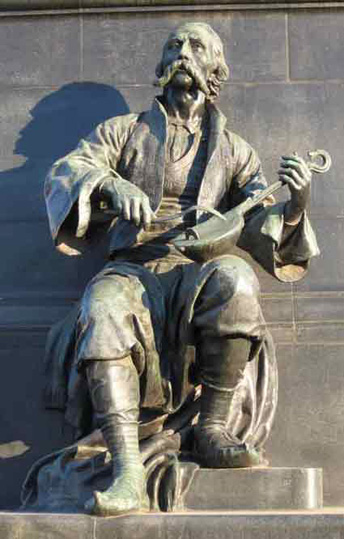
Characteristics and techniques
Practitioners use mnemonic devices to keep long passages stable and vivid. Repetition, formulaic phrases and metrical patterns are common: lines can be composed as poem or set to song to aid recall. Performance context—who speaks, when, and for what purpose—affects what is retained and how it changes. Oral transmission is dynamic: storytellers may adapt material for new circumstances while preserving core elements.
History and notable examples
Many cultures relied on oral transmission before widespread literacy. One widely cited case is the so‑called Homeric tradition: long epic narratives such as the Iliad and the Odyssey circulated by reciters for generations before being written down. Comparable processes have been documented among Indigenous peoples, medieval bardic traditions, and in legal systems where precedent and customary law were recited and taught orally.
Functions and modern relevance
Oral tradition performs several social roles: it preserves genealogies, encodes moral and legal norms, transmits technical skills, and reinforces group identity. In many societies oral sources remain authoritative and are used alongside written records. The rise of recording technologies and digital media has created new possibilities for preserving spoken texts while also changing how communities practice and value oral arts.
Distinctive features and preservation
- Performance-based: meaning often emerges in context rather than only from text.
- Collective memory: communities, not just individuals, maintain the record.
- Flexible transmission: variants and adaptations are normal and informative.
- Mnemonic structures: repeated phrases, rhyme, meter, and song facilitate retention.
Understanding oral tradition requires attention to both the content and the social mechanisms that sustain it. Scholars and community custodians study and record oral material to preserve linguistic, historical and artistic heritage while respecting the living practices that give it meaning. For more information see resources on oral history, oral literature, customary law, generational transmission (generation), the role of writing (writing system), vocal performance (voice), poetic forms (poem), musical forms (song), and case studies such as the Homeric epics (Iliad, Odyssey).
Related articles
Author
AlegsaOnline.com Oral tradition: transmission of stories, law, and knowledge by voice Leandro Alegsa
URL: https://en.alegsaonline.com/art/72922