
Saga: medieval Norse prose narratives
Sagas are medieval Old Norse prose narratives—mixing history, legend and poetry—written largely in Iceland. They recount voyages, feuds, law, and heroic deeds and shaped later literature and scholarship.
Overview
A saga is a long prose narrative from the medieval North Germanic tradition, composed in Old Norse and preserved mainly in Icelandic manuscripts. Sagas recount a wide range of subjects: voyages and raids, legal disputes and family feuds, the lives of kings and chieftains, or legendary material set in a mythic past. Some stories are grounded in historical events while others are imaginative creations; many combine both elements to portray past societies in vivid, often unsentimental detail. They were rooted in oral storytelling but were committed to writing in the later Middle Ages.
Image gallery
3 Images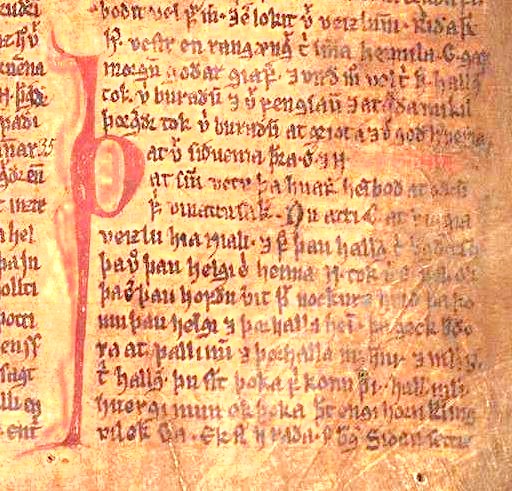


Form and characteristics
Sagas are primarily written in straightforward prose, yet they frequently incorporate short poems or skaldic stanzas in alliterative verse. These poetic inserts provide commentary, heightened emotion, or historical anchoring and echo the techniques of the older epic tradition. Narration emphasizes action, legal procedure, genealogies and personal honor; descriptions of battles, voyages and the hardships of sea travel are common. Many sagas focus on the deeds of Vikings and warriors, and on tensions between pagan customs and later Christian belief.
Types of sagas
- Family sagas (Íslendingasögur): Realistic accounts of Icelandic settlement, kinship and feuding among families.
- Kings' sagas (konungasögur): Narratives about Scandinavian rulers and royal dynasties.
- Legendary sagas (fornaldarsögur): Tales of ancient heroes and mythic adventures set before the settlement of Iceland.
- Contemporary and clerical works: Lives of bishops, translations and writings with a clearer historical record.
- Romance and chivalric sagas: Later translations or imitations of continental romances adapted into Old Norse style.
These categories overlap: a single work may preserve saga-style realism while borrowing motifs from legendary material.
Origins and manuscript tradition
Although the events they describe may reach back centuries, most sagas were written down in Iceland from roughly the 12th to the 14th centuries by authors who often remain anonymous. The Icelandic environment—its strong oral culture, family-based society and manuscript copying centers—helped preserve a vast corpus. Important collectors and authors include the likes of Snorri Sturluson, whose compositions and compilations helped shape how history and legend were recorded.
Notable examples and related traditions
Famous examples of saga literature include Njál's Saga (the Saga of Burnt Njál), Egil's Saga, Laxdæla Saga and Grettir's Saga; collections of royal narratives such as Heimskringla also survive. In the British tradition, long narrative poems and romances occupy a similar cultural place: Old English works like Old English epics are exemplified by Beowulf, and later medieval English literature includes romances such as Gawain and the Green Knight, composed in a West Midlands dialect. Some English medieval histories, for example Layamon's Brut, drew on earlier chronicles like the Anglo-Saxon Chronicle to fashion national narratives.
Importance and modern reception
Sagas are valued both as literary works—praised for their realism, psychological insight and narrative economy—and as sources for the social, legal and cultural history of medieval Scandinavia. They have influenced modern fiction, film and scholarship, and continue to be translated and studied worldwide. For further reading about the social context of sagas, settlement narratives and the culture of feuding, see introductions and editions available in many languages and formats, including online resources and modern annotated translations.
For more specific topics: battles and warfare, Icelandic settlement, and legal disputes and feuds are central themes treated throughout saga literature.
Additional resources on saga poetry, comparative epic forms and medieval manuscript culture can be consulted via specialized bibliographies and academic editions.
Questions and answers
Q: What language were sagas written in?
A: Sagas were written in the Old Norse language, mainly in Iceland.
Q: What are some similarities between sagas and epics?
A: Sagas often have stanzas or whole poems in alliterative verse embedded in the text, similar to epic stories.
Q: Are sagas always romanticised and fantastic?
A: Yes, sagas are usually romanticised and fantastic but they still deal with human beings that can be understood.
Q: What is one of the most famous sagas?
A: Njál's Saga, or the Saga of Burnt Njál, is one of the most famous.
Q: Are there any English works that could be considered a saga?
A: Yes, Beowulf and Gawain and the Green Knight are both works of imagination that could be considered a saga. Layamon's Brut (about 1200 AD) is based on English history since the Anglo-Saxon Chronicle and could also be considered a saga.
Related articles
Author
AlegsaOnline.com Saga: medieval Norse prose narratives Leandro Alegsa
URL: https://en.alegsaonline.com/art/85235
Sources
- merriam-webster.com : Old Norse saga, class of heroic prose narratives (Merriam-Webster)
- wikisaga.hi.is : De islandske sagaer by Peter Hallberg, Stockholm: Svenska bokförlaget, Bonniers)
- klassekampen.no : klassekampen.no/utgave/2016-02-20/den-store-veven