
Otaku: definition, history, culture, and social perceptions
Otaku is a Japanese term for people with intense, specialized interests—often in anime and manga—whose social meaning varies by context from pejorative to a reclaimed subcultural identity.
Overview
Otaku is a Japanese slang term that describes people who devote unusually large amounts of time, money and attention to a particular hobby or subject. The word traces its origins to the polite second‑person address "otaku" (literally "your home/house" in Japanese), which came to be used as a self‑referential label by enthusiasts. Outside Japan the label is commonly applied to intensive fans of anime and manga, though in Japan the scope of otaku interest is broader and can include technology, trains, idols, games and many niche fields.
Image gallery
5 Images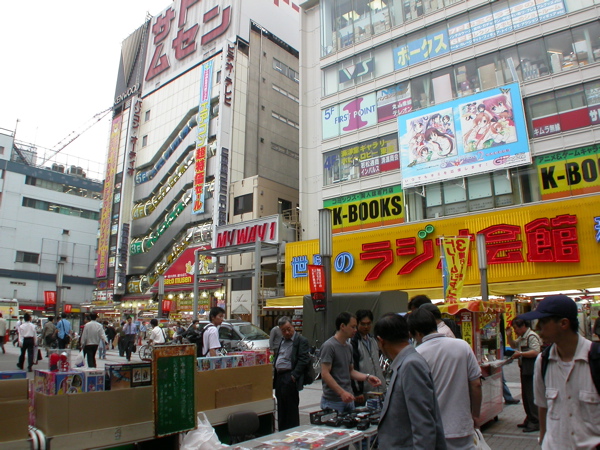


History and development
The modern sense of otaku emerged with specialized hobby circles and fan communities in the late 20th century, expanding as manga, anime and related media grew in both domestic and international markets. Media portrayals and social debates in Japan affected the term's reputation over time, sometimes casting it in a negative light. In recent decades a generational shift and deliberate reappropriation have led many young people to accept or even celebrate otaku identity as a form of expertise or passionate fandom.
Characteristics and common activities
Otaku are typically defined by depth of knowledge and sustained engagement rather than mere casual interest. Typical activities include collecting, attending fan conventions, creating or buying self‑published works, practicing cosplay, participating in online forums, and trading information about favorite series or subjects.
- Collecting and archiving media and merchandise
- Producing fan works such as fan art and fan fiction
- Participating in conventions and local events
- Engaging in focused study or detailed discussion of a topic
Social perception and cultural impact
In Japan the word has often carried derogatory connotations linked to social withdrawal or anti‑social behavior, and it has been compared with Hikikomori, a term for extreme social isolation. Nevertheless, many within Japan have reframed otaku identity positively as specialized expertise or a creative subculture akin to Western concepts of the geek or nerd. Internationally, especially in the West, the term is frequently used—more neutrally—to describe dedicated fans of anime and manga and the communities that form around them outside Japan.
Uses, examples and distinctions
Otaku culture supports a wide ecosystem of commerce, events and online communities: specialty shops and districts, fan conventions, doujinshi markets, streaming platforms and social media groups. Not every intense fan is an otaku by Japanese standards; the label often implies either a particular depth of obsession or membership in certain fandom practices. For many people the term is a simple descriptor of passion, while for others it remains a contested or stigmatized identity.
Because the term covers a wide range of behaviours, observers contrast otaku with related labels: some focus on reclusiveness, others on obsessive collection, and still others on participation in community activities. The nuance of the word depends on context, speaker and culture, so a cautious, descriptive approach is most useful when discussing otaku phenomena in either academic, journalistic or casual settings. For reading and research, see general introductions to hobbyist subcultures and contemporary fan studies resources and surveys of global fandom media.
For more background on the term's linguistic origin and how it is used in different languages and cultures, consult introductory materials on Japanese social terminology and contemporary subcultures etymology and fan studies overviews. Additional community guides and historical summaries are available in public and scholarly outlets about social withdrawal and about reclaiming subcultural identity.
Related articles
Author
AlegsaOnline.com Otaku: definition, history, culture, and social perceptions Leandro Alegsa
URL: https://en.alegsaonline.com/art/73487
Sources
- en.wiktionary.org : "おたく - Wiktionary"
- theguardian.com : "Clocking off: Japan calls time on long-hours work culture"
- worldcat.org : 0261-3077