
Otoe (Jiwére): Midwestern Siouan people
The Otoe (Jiwére) are a Siouan-speaking Native American people of the Central Plains. This article covers their language, traditional lifeways, historical territory, and contemporary status.
Overview
The Otoe, who call themselves Jiwére, are a Native American people long associated with the Central Plains of North America. Their identity is closely tied to the Chiwere language, a branch of the Siouan family. Readers can follow links for additional context on the Otoe people and the broader Midwestern United States region where they lived.
Image gallery
4 Images
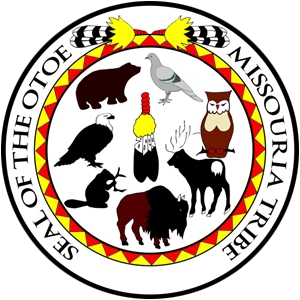


Language and cultural characteristics
The Otoe traditionally spoke Chiwere, the same Siouan language group shared with the Iowa and Missouri tribes. Linguistic connections reflect centuries of shared origins and cultural exchange among these groups. Their way of life combined settled agriculture with periodic mobility, a pattern often described as semi-nomadic, balancing village life and seasonal pursuits.
Territory, settlements, and material culture
Before large-scale European-American settlement, Otoe villages were found along the Missouri River and its tributaries in present-day Nebraska, Kansas, Iowa, and Missouri. They developed a mixed subsistence economy: cultivated crops in permanent or semi-permanent elm-bark houses during the growing season, and use of tipis when groups moved for hunting or other seasonal activities. Tipis and other portable shelters were typical for buffalo hunts and travel across the plains; see more about portable dwellings like tipis.
History and development
Archaeological, linguistic, and oral histories indicate that the ancestors of Chiwere-speaking peoples moved into the central river valleys centuries before intensive Euro-American expansion. Contact with European traders and the later pressures of settlement, treaty-making, and forced removal altered traditional life. In the 19th and early 20th centuries many Otoe were relocated and later became enrolled in the federally recognized Otoe-Missouria Tribe, which is based in Oklahoma today.
Contemporary life and cultural resilience
Today Otoe descendants maintain cultural, political, and educational programs that preserve history, language, and ceremonial life. Language revitalization efforts, cultural events, and tribal governance are important aspects of community life. Contemporary members participate in preservation of traditional crafts, storytelling, and public education about Otoe heritage.
Notable facts and distinctions
Some aspects that distinguish the Otoe include:
- Use of the Chiwere language, linking them to the Iowa and Missouri groups and reflecting regional Siouan connections.
- A mixed economy of agriculture and buffalo hunting that combined permanent dwellings and movable tipis depending on season and purpose.
- Historic occupation of riverine and plains environments across what became Nebraska, Kansas, Iowa and Missouri, with movements and relocations during the 19th century.
- Modern tribal organization and cultural revival activities aimed at sustaining language and traditions into the 21st century.
For additional reading about the Otoe and related peoples consult background material on the Otoe, regional histories of the Midwestern United States, studies of semi-nomadic Plains cultures (mobility and seasonality), and resources describing historic homelands in Nebraska, Kansas, Iowa, and Missouri. For material culture and traditional housing see entries on tipis and elm-bark construction.
Related articles
Author
AlegsaOnline.com Otoe (Jiwére): Midwestern Siouan people Leandro Alegsa
URL: https://en.alegsaonline.com/art/73509