
Old Major (Animal Farm)
Old Major is the elderly prize boar whose ideas spark the rebellion in George Orwell's Animal Farm; he symbolizes the founders of revolutionary ideology and introduces themes of equality and corruption.
Overview
Old Major is a central but short-lived figure in George Orwell's novella Animal Farm. He is presented as a respected, elderly prize Middle White boar whose speech to the animals sets the story in motion. Although he does not take part in the revolution itself, his ideas provide the ideological foundation that the other animals attempt to put into practice after he dies.
Image gallery
2 Images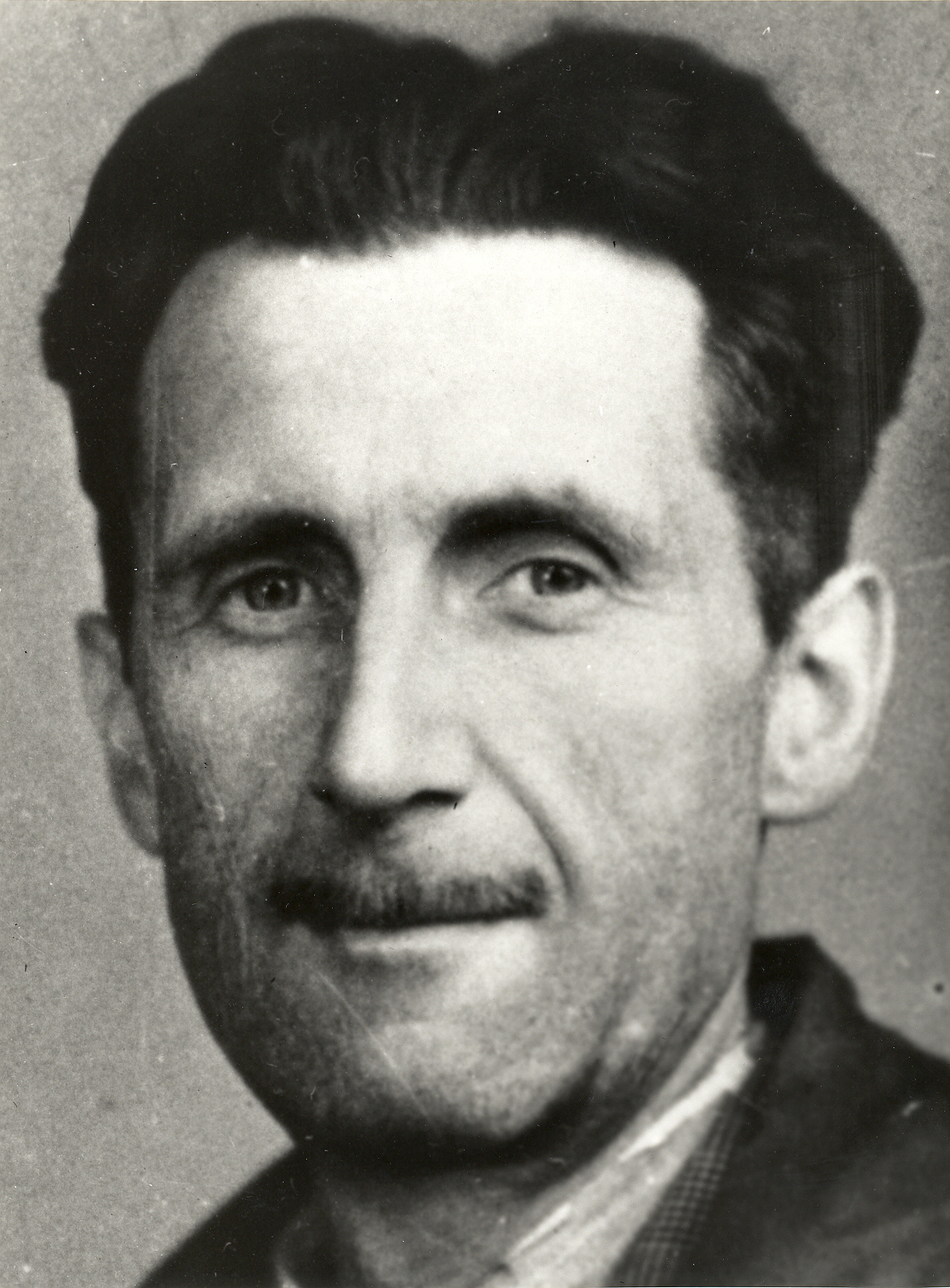

Appearance and character
Old Major is described as a venerable and imposing swine whose age and experience earn him authority among the farm animals. He is dignified and persuasive, with a commanding presence that convinces many to listen. In the narrative he functions more as an emblem of revolutionary thought than as an active protagonist: he articulates grievances and a vision of a fairer farm society, embodying wisdom, idealism, and moral urgency.
Role in the plot
Old Major's speech introduces key concepts such as the injustice of human rule, the possibility of animal self-government, and the song that unites the animals. That speech sparks the Rebellion and leads to the creation of Animalism, the set of principles the animals adopt. He dies early in the story, leaving others to translate his ideas into policy and practice—an important plot point because it allows later leaders to reinterpret and manipulate his teachings.
Allegorical meaning and origins
In allegorical readings, Old Major represents the intellectual origins of revolutionary ideology. He is commonly associated with figures such as Karl Marx and, in some interpretations, with Vladimir Lenin, as well as with the general idea of a founding theorist. His role is to provide the theory and moral justification for uprising rather than to govern after the revolution—an arrangement that mirrors distinctions between thinkers who inspire movements and those who seize power.
Significance and themes
Old Major's speech introduces themes central to the work: critique of class exploitation, the lure of promises of equality, and the vulnerability of ideals to distortion. The principles he articulates—later condensed into rules and a unifying song—become touchstones for debates among the animals and a measure against which later corruption is judged. Readers and critics often cite Old Major when discussing how founding doctrines can be appropriated by opportunistic leaders.
Notable facts
- He first appears in the opening chapters as a motivating figure whose ideas lead to action (character, novel context).
- His speech includes an anthem that unites the animals and expresses the promise of a new order (cultural echo).
- Scholars link Old Major to broader historical movements such as the Russian Revolution and to ideologies like communism that grew from revolutionary thought.
- Although written as fiction, Old Major's symbolic role is used in discussions of propaganda, leadership, and the fate of revolutionary ideals (legacy, interpretations).
For readers approaching the book, Old Major is best understood as the moral and intellectual catalyst whose teachings are judged across the story: they illuminate what the animals hope to achieve and later reveal how those hopes are compromised. Further literary analyses and historical comparisons explore how his brief presence foreshadows the novella's central tragic ironies (ideological context, textual study).
Related articles
Author
AlegsaOnline.com Old Major (Animal Farm) Leandro Alegsa
URL: https://en.alegsaonline.com/art/72286