
Karl Marx: life, ideas, major works and influence
Karl Marx (1818–1883) was a German philosopher, economist and political theorist whose critique of capitalism and theories of class and historical change shaped Marxism and modern social thought.
Overview
Karl Heinrich Marx (1818–1883) was a German-born philosopher, economist and political theorist best known for developing a critical analysis of capitalism and for co‑founding the body of ideas known as Marxism. He was born in Trier in the Kingdom of Prussia and spent much of his later life in London, England. Marx combined historical study, economic analysis and political argument to explain how societies change and why social classes conflict.
Image gallery
10 Images




Central ideas and concepts
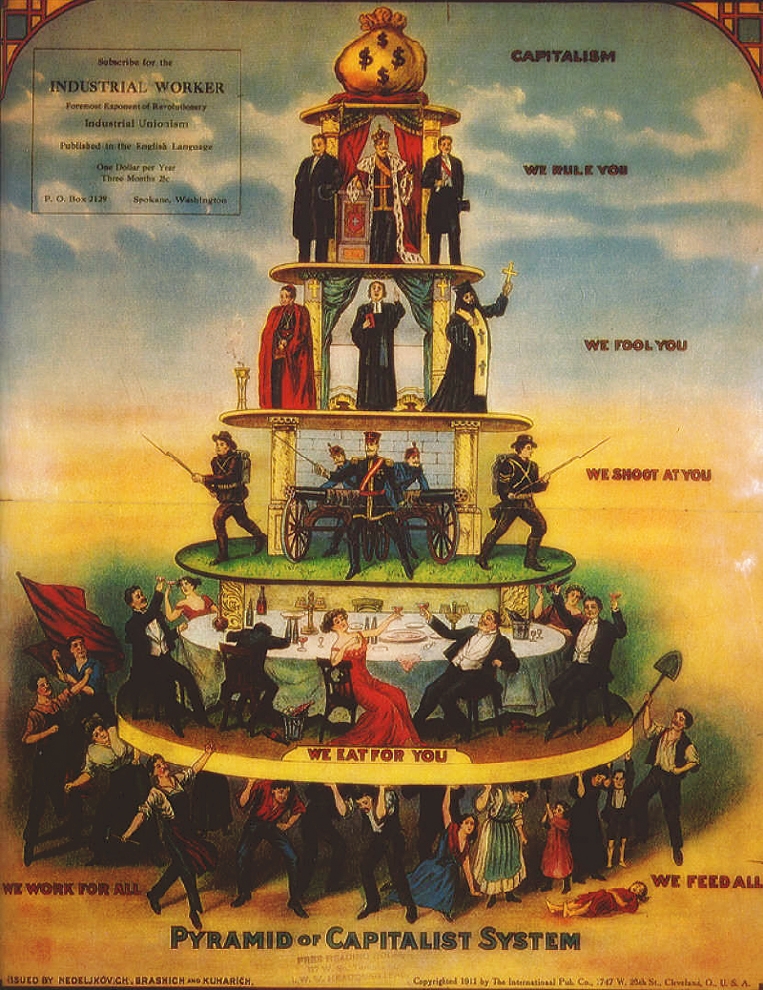
Marx argued that economic organization shapes social life: the relations of production and the dominant economic class influence law, politics and ideas. He described social change in terms of class struggle between those who own the means of production and those who sell their labor. His analysis introduced concepts such as surplus value (the source of profit under wage labor), alienation (workers’ separation from the products and processes of their work), and historical materialism (the view that material conditions and economic activity are primary in driving historical development).
Major works
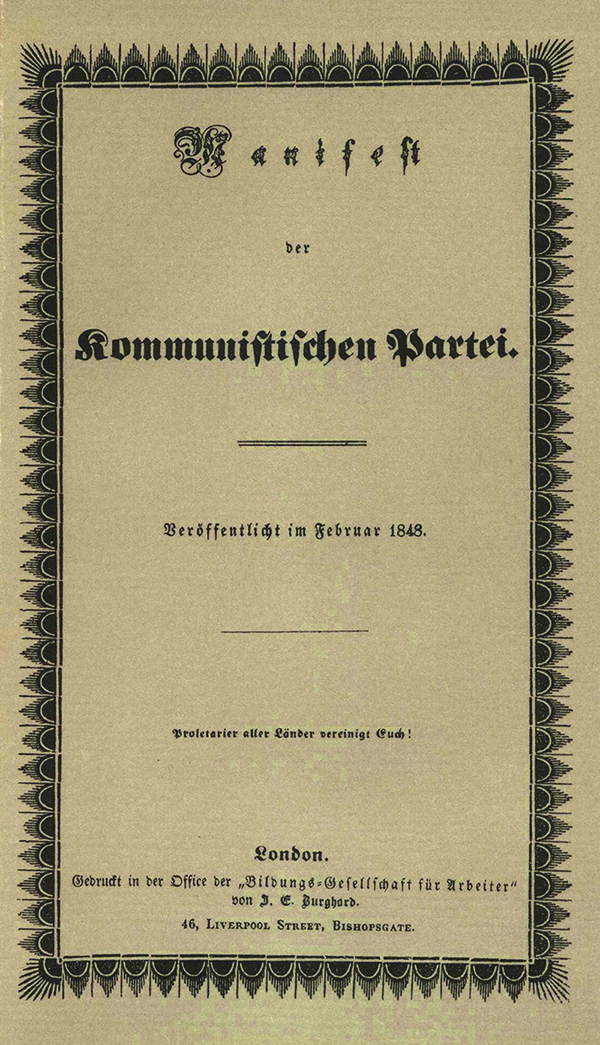
- The Communist Manifesto (1848), written with Friedrich Engels, presented a concise program and critique of capitalist society; it remains a widely cited text in political history — see manifesto references.
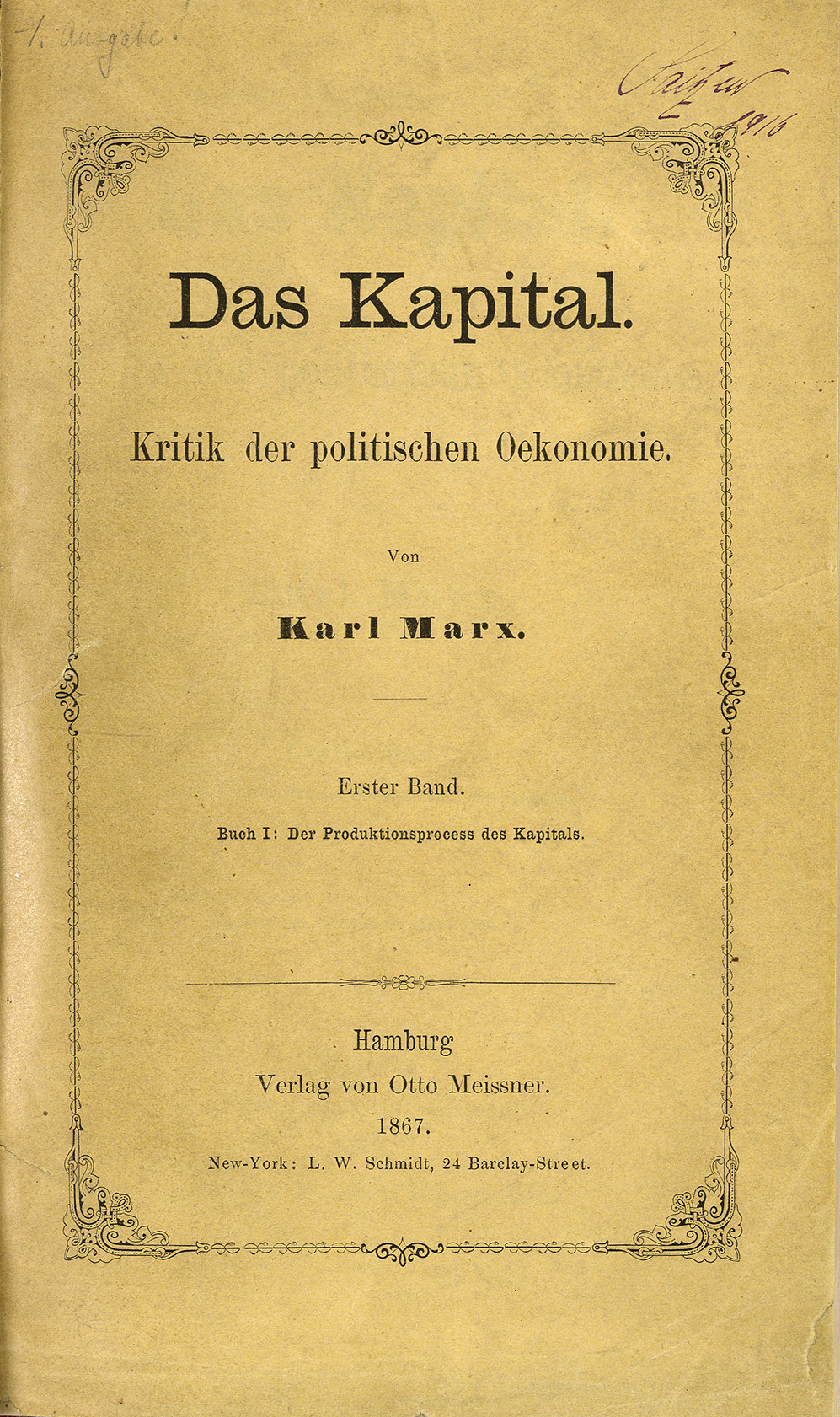
- Das Kapital (Capital), a multi‑volume study of political economy, examined the laws of capitalist accumulation and exploitation; various editions and discussions refer to this work.
- Marx also wrote numerous essays, pamphlets and letters on politics and economics; many of these writings addressed contemporary movements and policies in Germany and beyond.
Historical context and biography
Marx lived through the social upheavals of the 19th century — the Industrial Revolution, urbanization and early labor movements — and participated in political debates and organizing of his time. He collaborated closely with Engels and other contemporaries, edited newspapers, and, after political exile from continental Europe, settled in London where he continued research and writing until his death. His life and work are tied to wider European revolutions and social struggles of the period.
Uses, influence and legacy
Marx’s ideas influenced political movements, labor organizations and academic disciplines including sociology, economics and history. Terms such as class struggle and mode of production entered public and scholarly debates; various political movements drew on or adapted Marx’s analyses to argue for social reform or revolution. Interpretations and applications of Marxism have been diverse, ranging from democratic socialism to revolutionary communism; these later developments often combined Marx’s theories with other thinkers and political strategies.
Debates and distinctions
Scholars and political actors disagree about Marx’s predictions and prescriptions. Debates include whether capitalist crises inevitably lead to proletarian revolution, how to interpret and measure surplus value, and how Marxist theory relates to later ideologies such as Leninism or social democracy. Critics raise empirical and ethical objections; supporters argue Marx’s framework remains useful for examining inequality and power relations. For introductions and further resources, see economic analyses, political theory and comparative studies in labor history and class studies. Additional context on Marx’s prescriptions for social organization appears in discussions tied to distribution principles and communal ideas, while modern assessments are found in recent scholarly reviews and translations (communism and Marxism). For biographical material and archival sources see related entries on his collaborators and places of activity (birthplace, London residence and final years).
Key concepts, major writings and the contested legacy of Marx continue to be studied across disciplines and political traditions; his work remains a central reference for discussions about capitalism, class and social change.
Related articles
Author
AlegsaOnline.com Karl Marx: life, ideas, major works and influence Leandro Alegsa
URL: https://en.alegsaonline.com/art/123328
Sources
- marxists.org : Biography of Marx
- marxists.org : Karl Marx: The Story of His Life
- welshcommunists.co.uk : Karl Marx Biography
- pubs.socialistreviewindex.org.uk : Karl Marx: A Life
- amazon.com : Karl Marx Biography
- amazon.com : Marx, life and works
- www2.pfeiffer.edu : Dead Sociologists - Karl Marx
- marxists.org : Ernest Mandel, Karl Marx (New Palgrave article)
- anti-caste.org : Marx on India and the Colonial Question
- anti-caste.org.html : anti-caste
- iisg.nl : Portraits of Karl Marx
- fes.de : The Karl Marx Museum
- marxmyths.org : Marxmyths.org
- runmuki.com : The Paris Commune and Marx' Theory of Revolution
- plato.stanford.edu : Stanford Encyclopedia of Philosophy entry