
Vladimir Lenin: Revolutionary Leader of the Russian Soviet State
Biography and overview of Vladimir Ilyich Ulyanov (Lenin): his life, political ideas (Leninism), role in the 1917 revolutions, leadership of the Soviet state, and his contested legacy.

Overview
Vladimir Ilyich Ulyanov (1870–1924), widely known by the pseudonym Lenin, was a Russian revolutionary, theorist, and political leader who played a central role in the 1917 Bolshevik seizure of power and the creation of the Soviet state. Trained as a lawyer, he became a leading organizer of the Bolshevik faction of the Russian Social Democratic Labour Party and later served as the head of the new government after the October events of 1917.
Image gallery
10 Images


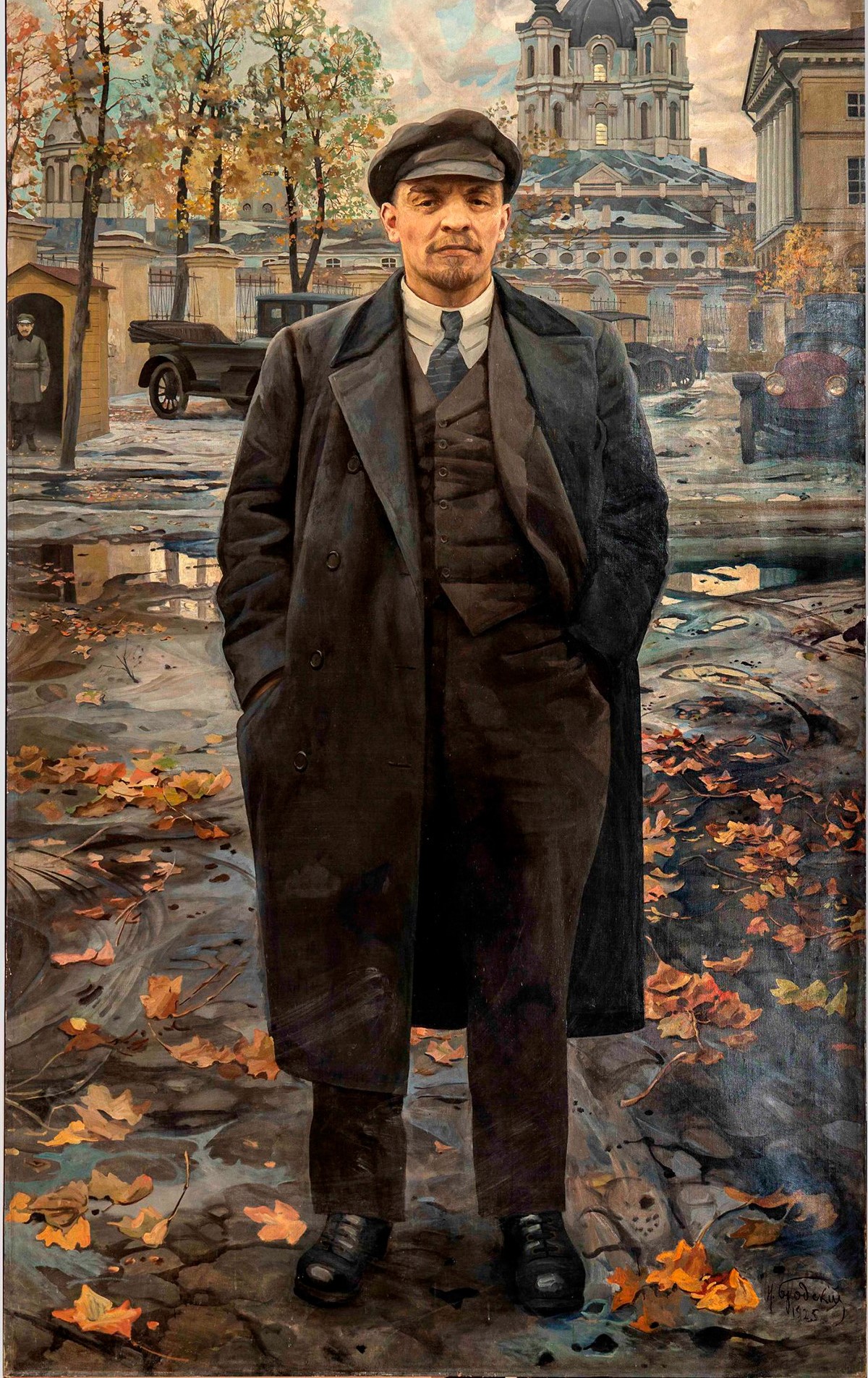


Early life and revolutionary path
Born into a provincial family, Lenin studied law and was politicized by the repressive environment of imperial Russia and the execution of his elder brother for participation in an assassination plot. He adopted Marxist ideas and spent years in exile, where he developed organizational strategies and theoretical critiques. Lenin returned to Russia in 1917 in a journey that has become part of revolutionary lore and quickly asserted leadership within the Bolsheviks.
Political ideas and organization
Lenin elaborated a distinct approach to Marxism, later called Leninism, that emphasized a disciplined vanguard party, centralized decision-making (often described as democratic centralism) and active intervention to bring about proletarian revolution. He also wrote and spoke on topics such as imperialism, party tactics, and the nature of the state. His training and early career are often noted in biographies; see resources on his legal training and biography.
Leadership in 1917 and the early Soviet state
During 1917 Russia experienced two major upheavals: a February revolution that removed the tsar and a later October uprising that brought the Bolsheviks to power. Lenin emerged as the main architect of the October takeover and headed the Council of People's Commissars, the new Soviet government. Under his leadership the regime fought a civil war, nationalized industry and land, and introduced policies such as War Communism followed by the New Economic Policy to stabilize the economy.
Legacy and historical significance
Lenin's influence extends beyond his lifetime: his ideas shaped the Soviet system and inspired communist movements globally. He remains a highly contested figure—hailed by supporters as a revolutionary strategist and condemned by critics for authoritarian tendencies that later hardened into a one‑party state. The October events are often discussed under the label October Revolution, and Lenin's death in 1924 led to struggles over succession and interpretation of his thought.
Notable facts
- Alias: commonly known as Lenin, a name he used in underground activity.
- Writings: produced influential pamphlets and speeches that guided Bolshevik policy.
- Contested memory: memorials, museums and debates continue to mark his complex legacy.
For further reading consult authoritative biographies and collections of his writings, which provide detailed chronologies and analyses of his political theory and practical leadership.
Questions and answers
Q: Who was Lenin?
A: Lenin was a Russian lawyer, revolutionary, the leader of the Bolshevik party and of the October Revolution. He was the first leader of the USSR and the government that took over Russia in 1917.
Q: What is his full name?
A: His full name is Vladimir Ilyich Ulyanov.
Q: When was he born?
A: He was born on 22 April 1870.
Q: When did he die?
A: He died on 21 January 1924.
Q: What are his ideas known as?
A: His ideas are known as Leninism.
Q: What role did he play in Russian history?
A: He played a major role in Russian history by leading the Bolshevik party and of the October Revolution, becoming the first leader of the USSR and taking over Russia in 1917.
Author
AlegsaOnline.com Vladimir Lenin: Revolutionary Leader of the Russian Soviet State Leandro Alegsa
URL: https://en.alegsaonline.com/art/132661