
Oosterscheldekering — the Eastern Scheldt storm surge barrier
Major storm surge barrier in the Netherlands, part of the Delta Works, built to protect Zeeland islands from North Sea floods while preserving tidal ecosystems.
Overview
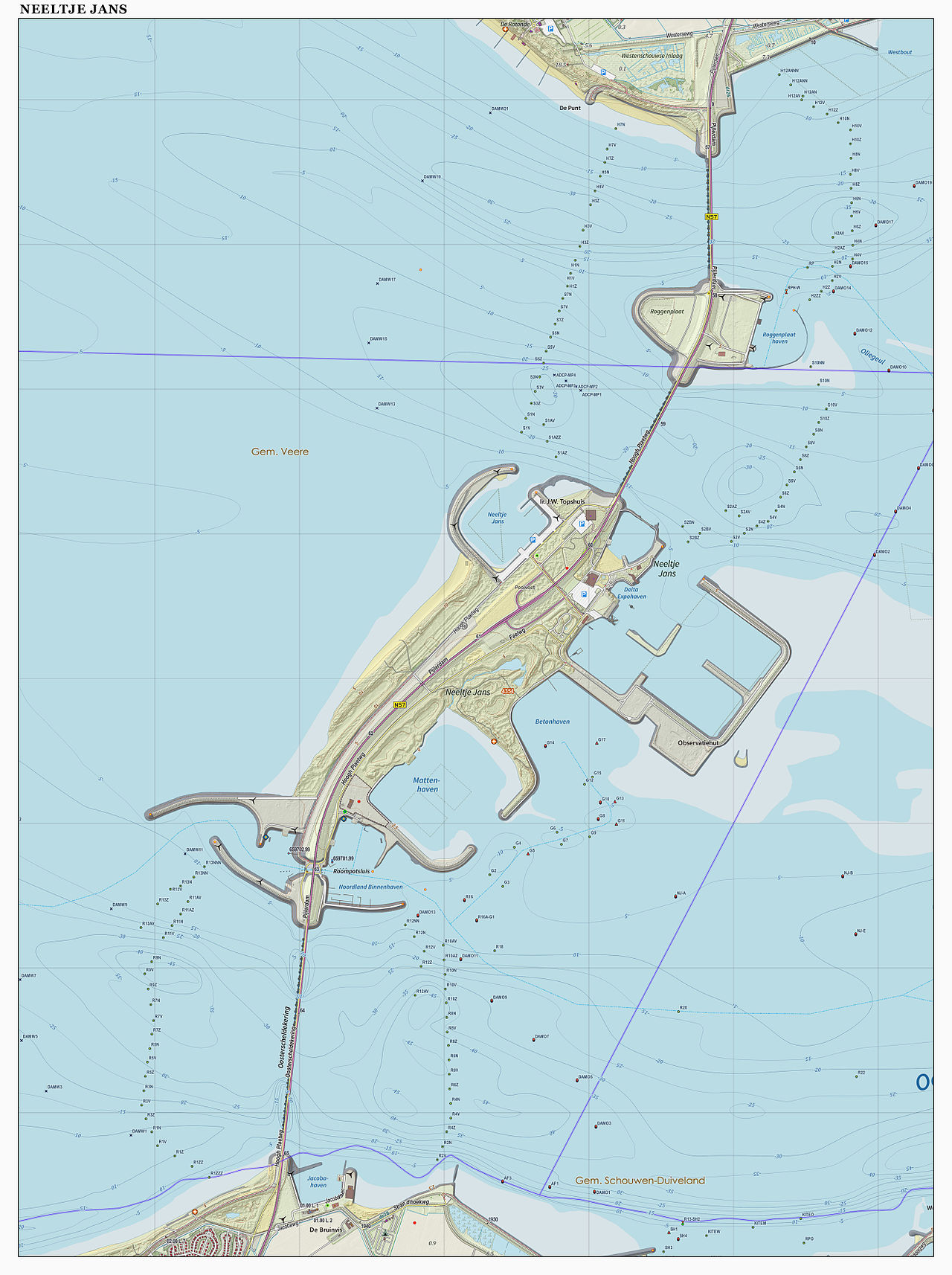
The Oosterscheldekering, often called the Eastern Scheldt storm surge barrier, is a large coastal engineering structure on the Dutch coast. It links the islands of Schouwen-Duiveland and Noord-Beveland and forms a controlled connection across the tidal estuary. Built as part of the broader Delta Works, it was designed to reduce the risk of flooding from the North Sea while maintaining much of the natural tidal flow and marine habitat.
Image gallery
6 Images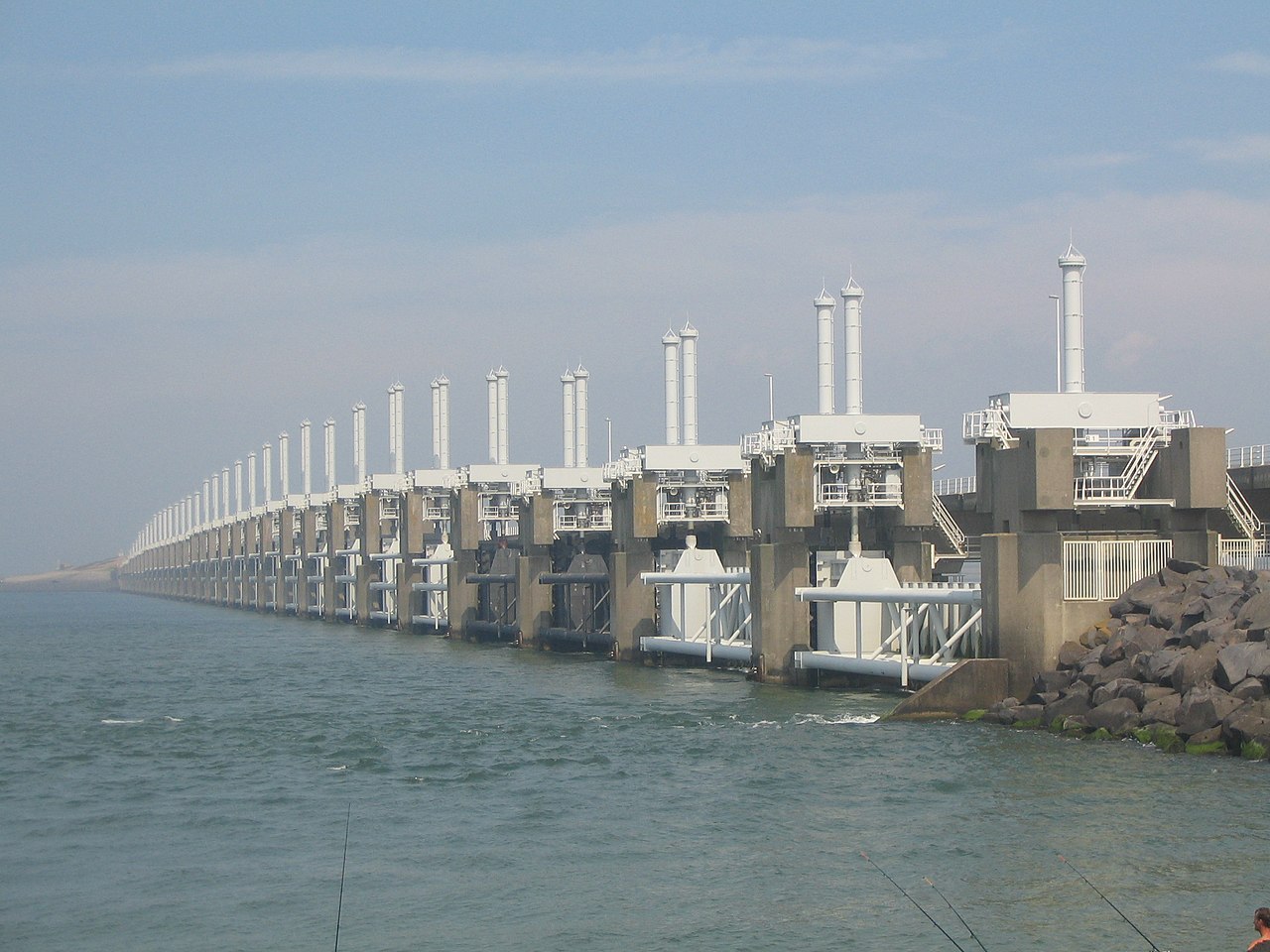



Design and components
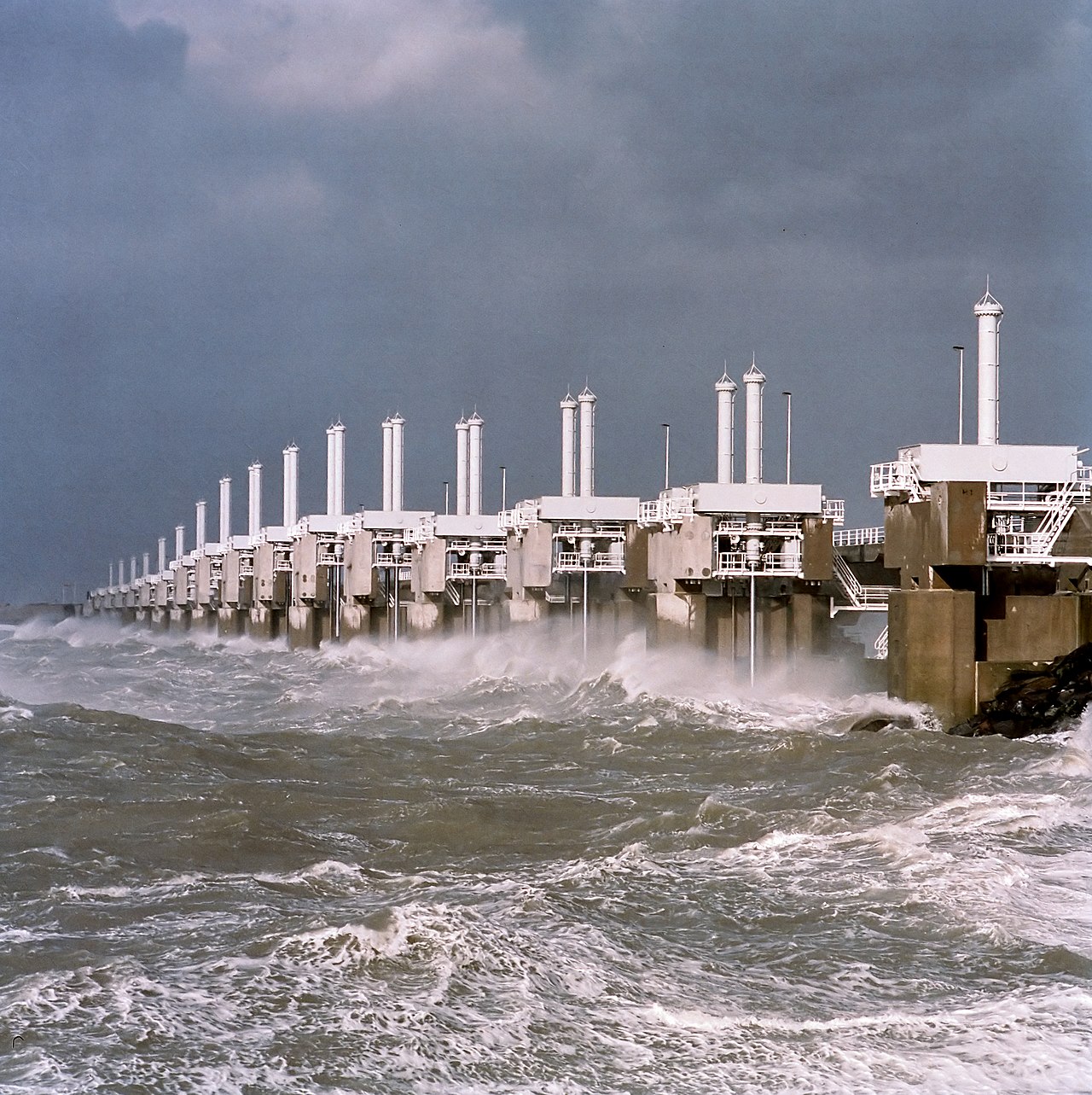
The barrier combines fixed dams, piers and a series of large movable steel gates that can be lowered to close the channel in storm conditions. Its engineering includes strong foundations and modular gate sections designed to withstand extreme wave and current forces. The movable design distinguishes it from complete closure dams by allowing tidal exchange during normal conditions, which helps preserve the local ecosystem and fisheries.
History and construction
Planning accelerated after devastating floods in the mid-20th century when the Dutch government commissioned a comprehensive protection program. The Oosterscheldekering was conceived within that program and constructed in stages over several years. Its development involved innovative maritime engineering, large prefabricated elements, and careful environmental debate, leading to a compromise between safety and nature conservation.
Operation and importance
The barrier is normally left open to allow tides and shipping; it is closed only when storm surges and high water levels create an unacceptable flood risk. This operational flexibility makes it a critical component for regional flood safety and for managing estuarine dynamics. It is widely cited as a landmark in coastal defence engineering and is a focal point for visitors interested in infrastructure and maritime safety.
Notable facts and distinctions
- Part of the nation's long-term program to protect the Netherlands from sea flooding.
- Balances engineered flood protection with ecological aims, differing from full dam closures.
- Closures are activated only under extreme conditions to preserve normal tidal regimes.
- Its role and performance are often referenced in international discussions on coastal resilience and adaptive design; more technical and visitor information can be found through official sources here.
The Oosterscheldekering remains both a functional flood defence and an educational example of how large infrastructure projects can integrate safety, engineering innovation and environmental considerations.
Related articles
Author
AlegsaOnline.com Oosterscheldekering — the Eastern Scheldt storm surge barrier Leandro Alegsa
URL: https://en.alegsaonline.com/art/72721