
Factory: buildings, production methods, history and modern trends
An overview of factories: definition, typical layout and processes, historical development, economic role, major production methods, and contemporary trends such as automation and sustainability.
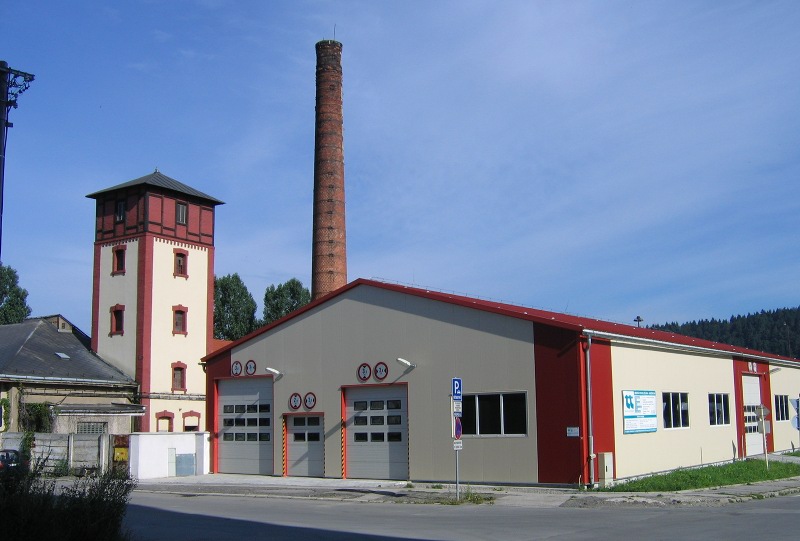
A factory is a building or complex where materials are transformed into finished goods through organized production processes that use machinery, tools and people. Factories range from small workshops and family-owned workshops to large industrial plants producing automobiles, electronics, textiles, food, chemicals or heavy equipment. Many modern facilities emphasize repeatability and efficiency so that large numbers of similar items can be produced in a predictable, cost-effective way.
Image gallery
10 Images





Characteristics and layout
Factories are typically arranged to support a flow of materials and stages of work: receiving and raw material storage, processing or machining areas, assembly lines or work cells, quality control and testing stations, packaging and shipping docks. Important support systems include power distribution, compressed air, ventilation and dust control, process water, waste handling and maintenance workshops. Plant layout choices — linear assembly lines, cellular manufacturing or flexible job shops — depend on product volume, variety and the need for changeover.
Production methods and environments
Manufacturing methods vary from mass production and continuous flow to batch production and job-shop work. Some facilities operate under controlled conditions such as cleanrooms or ISO-classified areas for electronics and pharmaceuticals; others handle hazardous materials with special containment and safety systems. Newer techniques such as additive manufacturing (3D printing) and flexible automation allow smaller production runs and rapid design iteration alongside traditional high-volume methods.
History and social impact
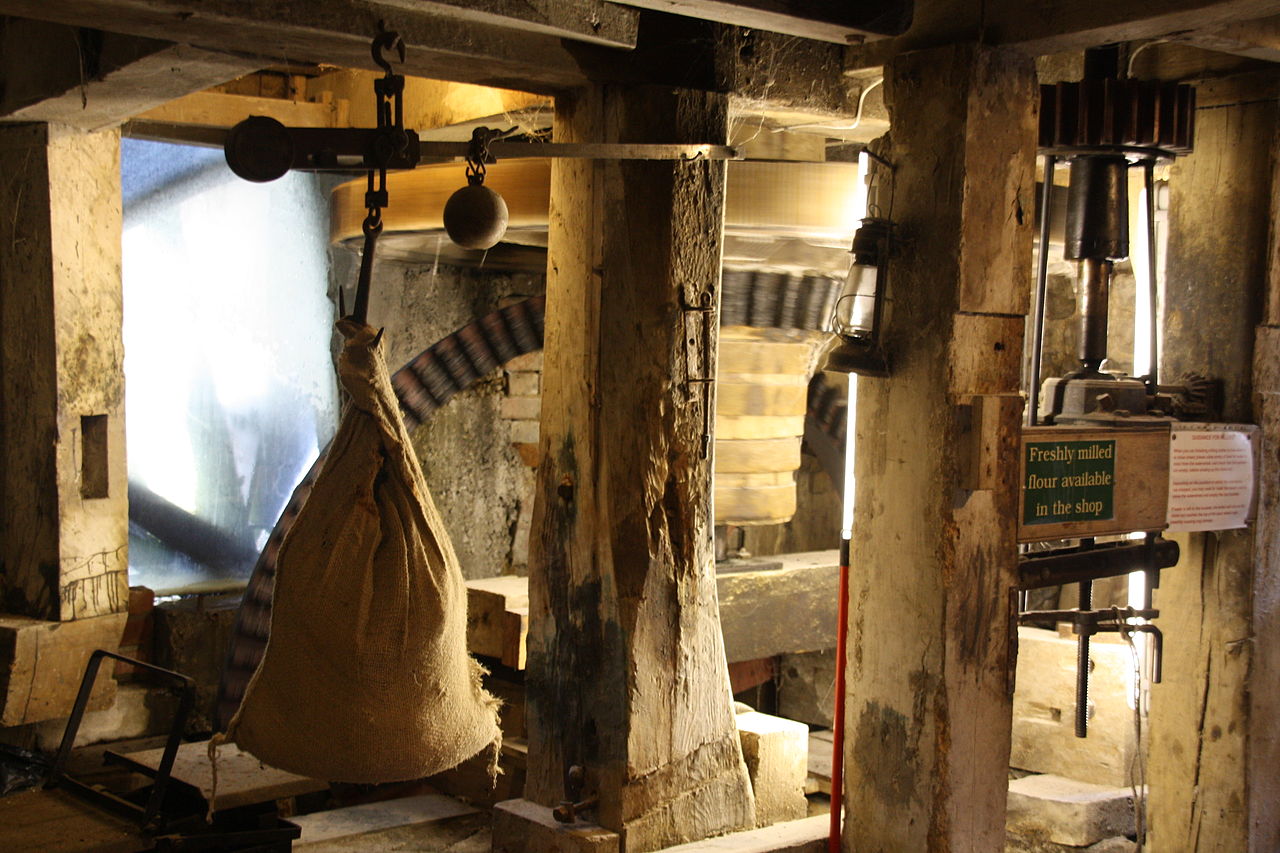
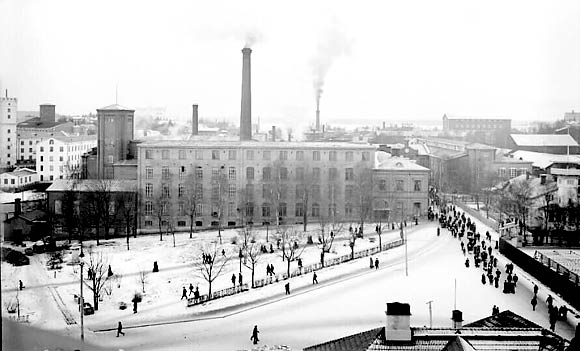
Factories emerged during the Industrial Revolution, when the concentration of labor and power sources (water, then steam and electricity) enabled mechanized production at scale. Early factory conditions were often difficult, with long hours, low pay and unsafe environments; these realities led to labor movements, legislation and health and safety standards that transformed workplace practices over time. Innovations such as the moving assembly line in the early 20th century dramatically increased output and shaped modern manufacturing.
Economic role and geography
Factories are central nodes in regional economies and global supply chains. They concentrate capital, technology and skills, creating jobs and supporting suppliers and logistics networks. Location decisions balance access to labor, raw materials, transport infrastructure, energy and regulatory environments. Trends such as offshoring, reshoring, and nearshoring reflect shifts in cost structures, trade policy and supply-chain resilience.
Contemporary trends and challenges
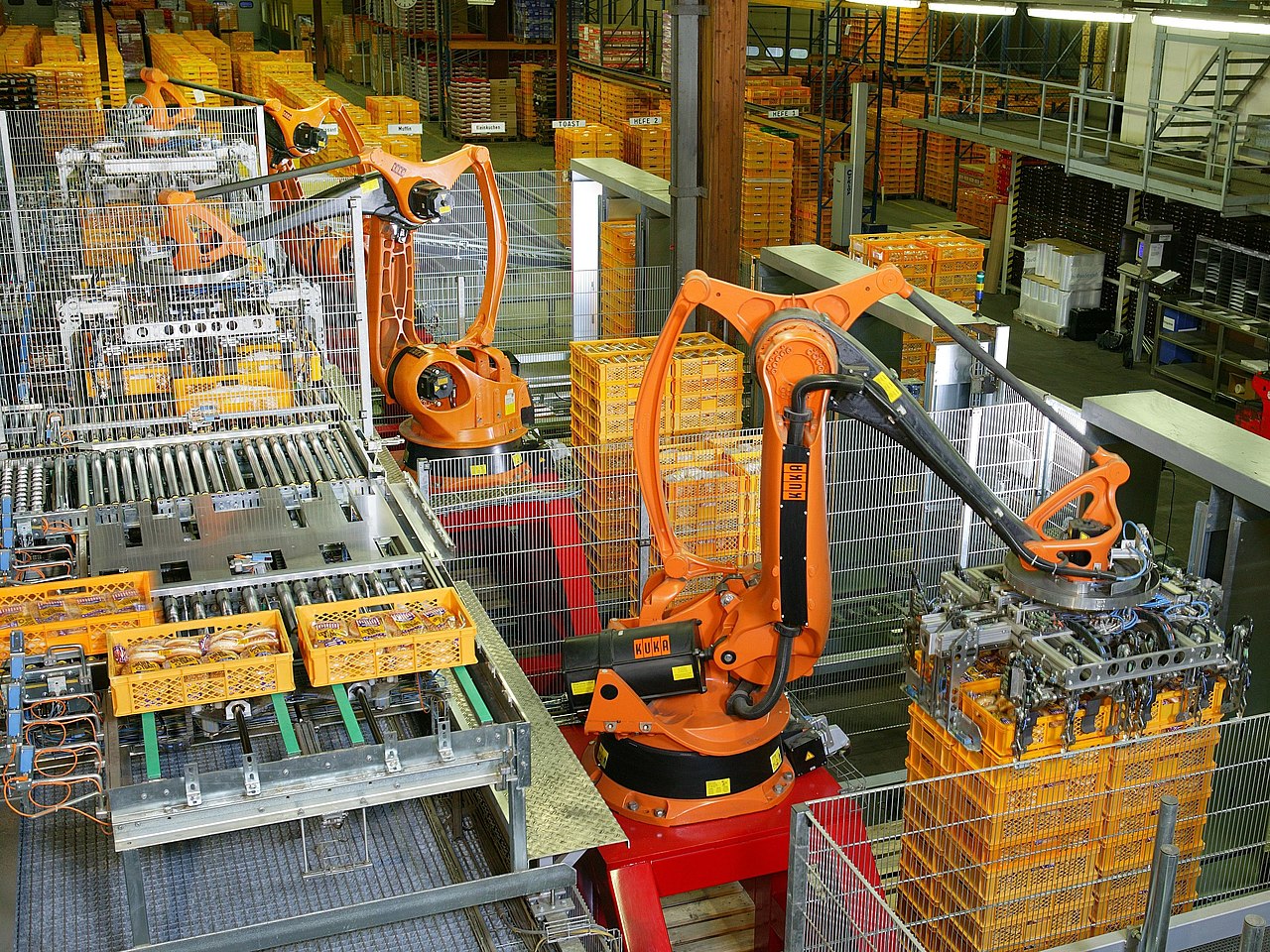
Recent decades have seen the rise of automation, robotics, networked sensors and data analytics—often summarized as Industry 4.0. Automation can raise productivity and consistency while reducing routine labor needs; some highly automated plants can operate with little on-site staff in so-called "lights-out" modes. At the same time, manufacturers face challenges including energy use, greenhouse gas emissions, resource efficiency, workplace safety, and the need to retrain and redeploy workers as technologies change. Sustainability efforts, circular-economy practices and stricter environmental regulations are increasingly important.
- Common factory areas: receiving and storage, production floor, quality control labs, packaging, warehousing, maintenance.
- Production distinctions: job shop vs. continuous flow; manual vs. automated; cleanroom vs. hazardous processing.
- Key concerns: worker safety, product quality, energy and material efficiency, supply-chain security.
For further information on specific topics, see resources on site planning and location, machine types and automation, sales, distribution and logistics, company and plant profiles, mass production and lean methods, and automation and workforce transitions.
Author
AlegsaOnline.com Factory: buildings, production methods, history and modern trends Leandro Alegsa
URL: https://en.alegsaonline.com/art/33212
Sources
- autodesk.com : "Lights-Out Manufacturing: Factory & Machining Automation"
- encyclopedia.com : "Working Conditions in Factories (Issue) | Encyclopedia.com"