
Nova Scotia Duck-Tolling Retriever
A compact, energetic retriever from Canada bred to 'toll' or lure waterfowl and to retrieve game; noted for its reddish coat, intelligence, and suitability for active households.

Overview
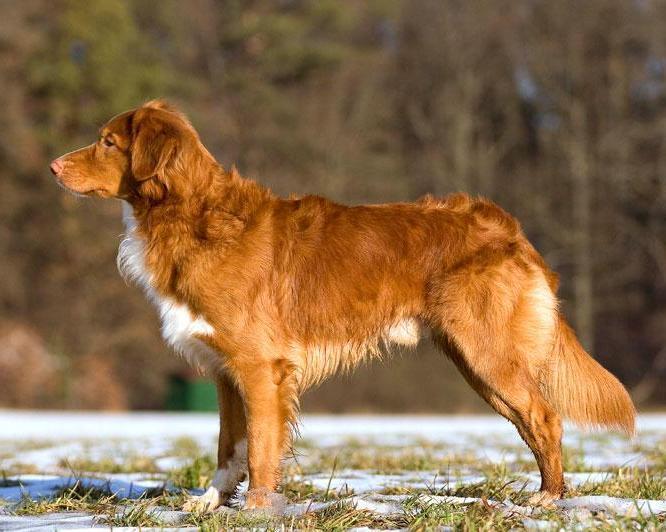
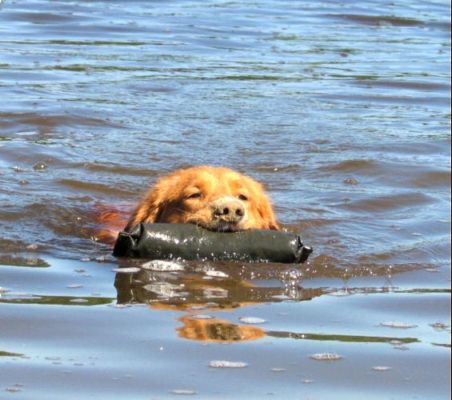
The Nova Scotia Duck-Tolling Retriever is a medium-small gun dog originally developed in Nova Scotia, Canada, to assist hunters by enticing waterfowl closer to shore and then retrieving the shot birds. Often called a 'toller' for short, this breed combines a playful, attention-getting style with steady retrieving instincts. Adults typically stand about 17 to 21 inches (43 to 53 cm) at the shoulder and weigh roughly 43 to 51 pounds (19 to 23 kg), making them the smallest member of the retriever group.
Image gallery
8 Images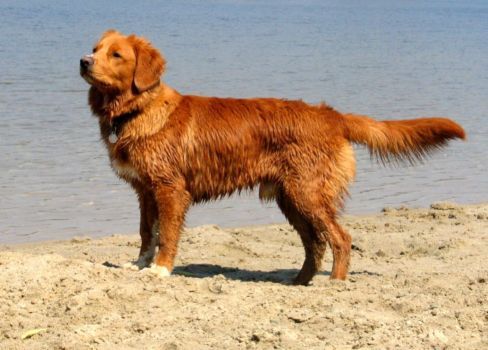


Appearance and coat
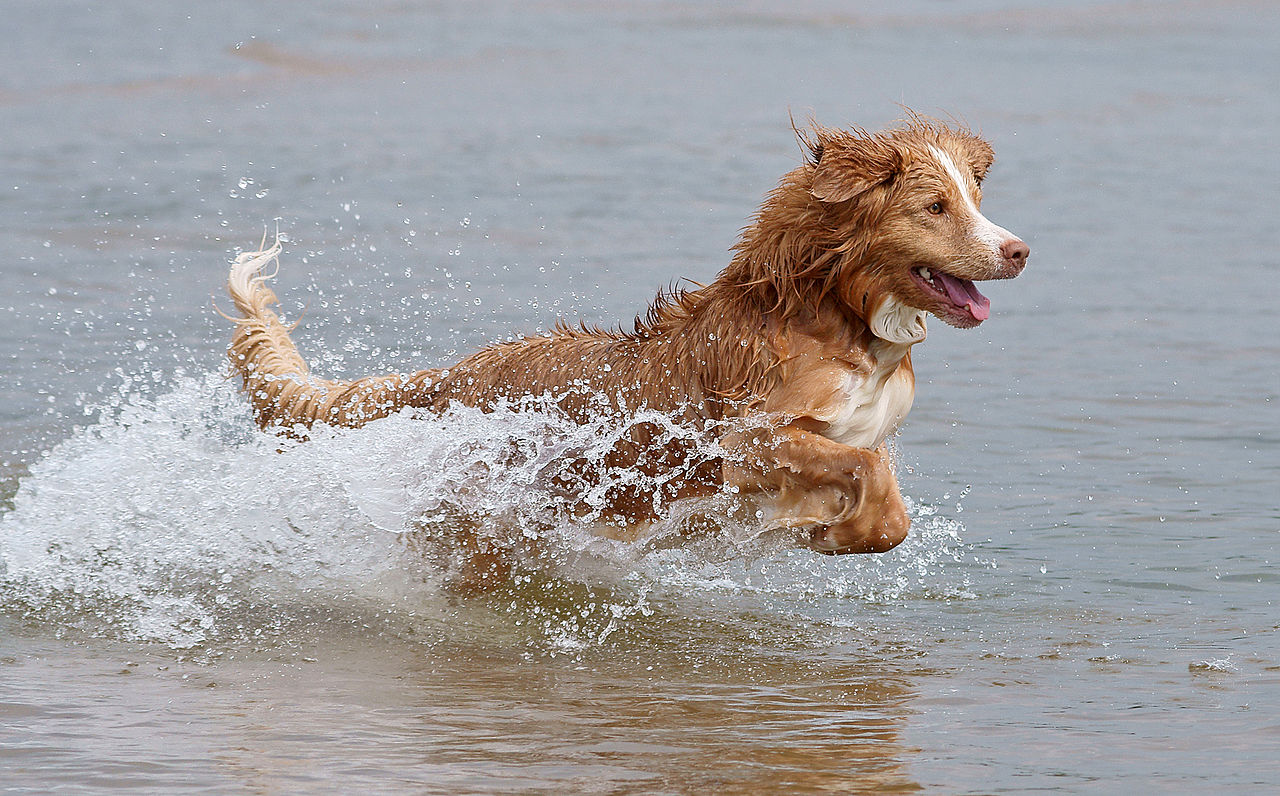
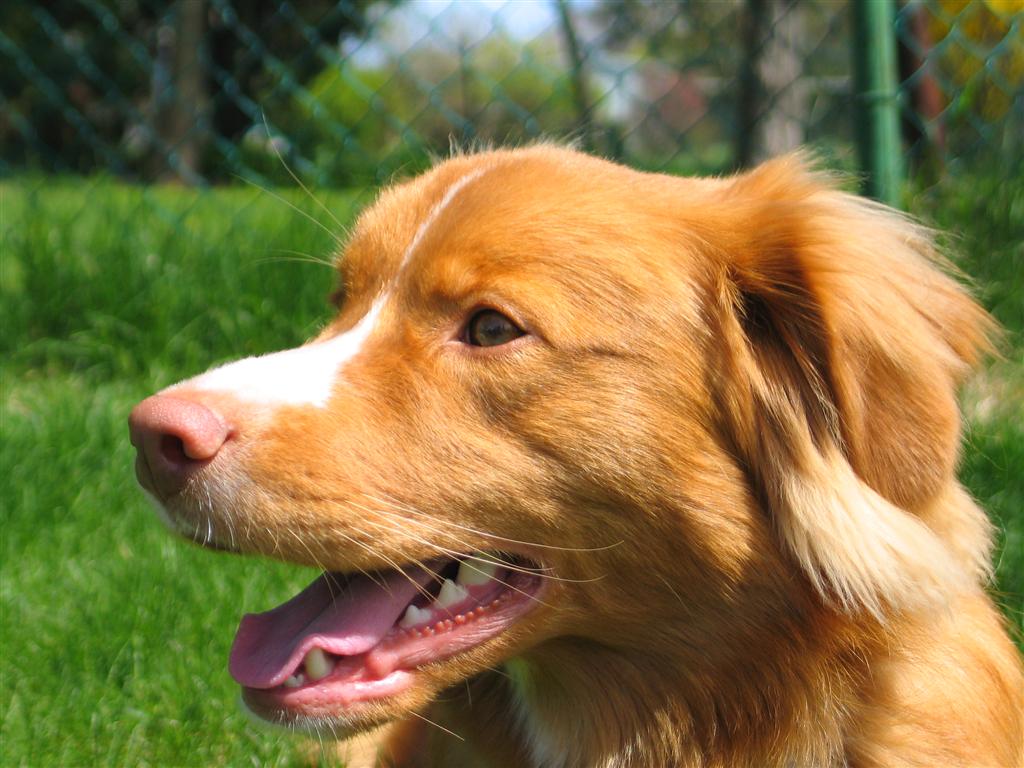
Tollers have a compact, athletic build with a thick, double coat that protects them in cold, wet conditions. The coat is water-repellent and usually ranges from golden to deep red, frequently with white markings on the chest, feet, and tail tip. Feathering on the legs, tail, and chest is moderate. Their expression is alert and fox-like, with a tapering muzzle and bright, intelligent eyes.
Origins and development
The breed emerged in the 19th century among small-boat fishermen and hunters in eastern Canada who needed a dog that could lure and retrieve ducks in tidal bays and narrow inlets. Through selective crossing of retrievers with spaniels and possibly other land and water dogs, breeders emphasized a unique lure-and-play technique known as 'tolling'—acting in a lively, inviting way at the water's edge to pique the curiosity of waterfowl. For more on breed origins see regional histories and general retriever development resources.
Temperament, training and activity
Tollers are intelligent, energetic, and highly trainable. They excel at obedience, agility, and field work, and they form strong bonds with family members. Typical temperament traits include eagerness to please, playfulness, and an enthusiastic retrieving drive. They require regular mental and physical stimulation—daily walks, play sessions, or off-leash work in a safe area. Training benefits from positive reinforcement and early socialization. For training tips and activity ideas, consult canine sport guides and specialized hunting-dog resources.
Health, grooming and care
Overall, the breed is considered healthy, but like many purebreds it can be prone to certain inherited conditions. Common concerns to monitor include hip structure, eye health, and autoimmune issues. Routine veterinary screening, responsible breeding practices, and awareness of hereditary tests can reduce risks. Grooming needs are moderate: regular brushing keeps the coat healthy and reduces shedding, while occasional baths and nail trimming are recommended. Because they are active and social, tollers do best in households that can provide consistent exercise and interaction. Helpful care references include veterinary advice and breed-club materials at national kennel organizations.
Notable distinctions and uses
- Distinctive 'tolling' behavior used to attract waterfowl prior to retrieving.
- Smallest of the retriever types while retaining strong retrieving instincts.
- Versatile companion: successful in field work, canine sports, and family life.
Whether kept as a working gun dog or an active companion, the Nova Scotia Duck-Tolling Retriever rewards owners with intelligence, drive, and affection. Prospective owners should research breeders, consider lifestyle fit, and learn about the breed's specific exercise and training needs before acquiring a toller.
Related articles
Author
AlegsaOnline.com Nova Scotia Duck-Tolling Retriever Leandro Alegsa
URL: https://en.alegsaonline.com/art/71218
Sources
- britannica.com : "Nova Scotia duck tolling retriever"
- akc.org : "Nova Scotia Duck Tolling Retriever"
- commons.wikimedia.org : Nova Scotia Duck Tolling Retriever