
Pound (unit of mass)
The pound is a traditional unit of mass used chiefly in the United States and formerly across the British Empire; the modern international avoirdupois pound is defined as exactly 0.45359237 kilograms.
Overview
The pound (abbreviated lb, plural lbs) is a unit for measuring mass. Its name and symbol derive from the Latin libra, a Roman unit of weight. Today the word "pound" most often refers to the international avoirdupois pound, a standard unit in the United States customary system and historically in the British imperial system. For general information about measuring mass see mass.
Image gallery
3 Images

Definitions and common variants
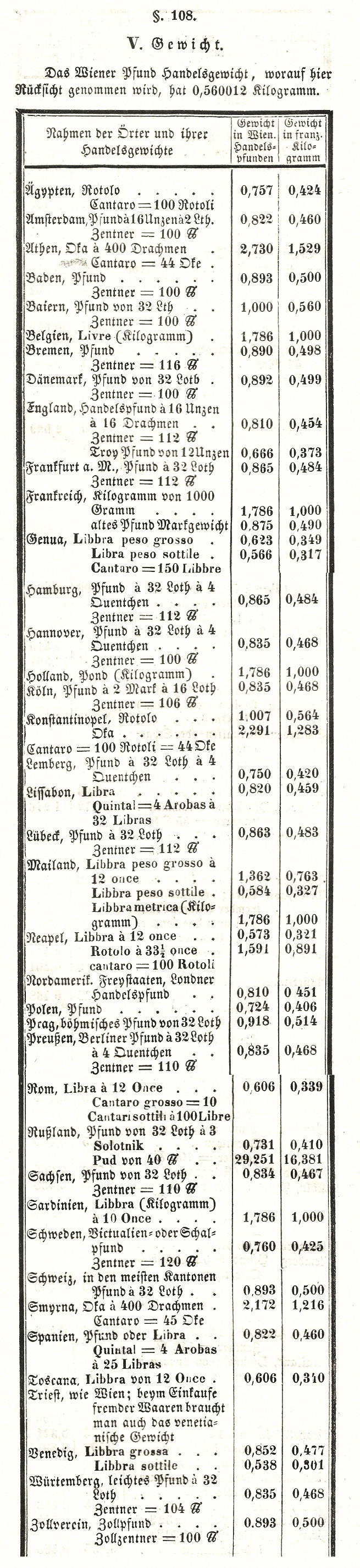
Different systems have used pounds with different sizes. The principal variants encountered in modern and historical contexts include:
- Avoirdupois pound: the internationally agreed standard, defined as exactly 0.45359237 kilograms; it is divided into 16 avoirdupois ounces and is the basis for everyday weights and commerce in countries that use pounds. See also kilogram.
- Troy pound: an older system associated with precious metals; it contains 12 troy ounces and is now rarely used, though the troy ounce remains the common unit for gold, silver and gemstones (one troy ounce ≈ 31.1 grams).
- Apothecaries' pound: historically used in pharmacy and medicine and closely related to the troy system; it is largely obsolete.
History and origin
The concept of a pound traces back to the Roman libra, and many European languages retain a similar word. Over centuries, regional standards and commercial practice produced a variety of "pounds" based on local systems of ounces and grains. In the 20th century international agreements harmonized definitions so that modern avoirdupois pounds used in the United States and by international trade are consistent. For legal and standards background, consult standards.
Uses and examples
Pounds are commonly used to report human body weight, packaged food, and small-scale trade. In the United Kingdom and Ireland people sometimes express body mass in stones and pounds (one stone = 14 pounds). The United States continues to use pounds widely in daily life, commerce and industry. For measurement conversions see conversion.
Notable facts and distinctions
The abbreviation "lb" reflects the historical term rather than the English word "pound." Although the international avoirdupois pound is defined by reference to the kilogram, historical systems such as the troy and apothecaries' pounds survive in specialized contexts. For further reading on weight units and their relations see weight units and measurement history.
Questions and answers
Q: What is a pound?
A: A pound is a unit of measurement used to measure mass.
Q: What is the abbreviation for pound?
A: The abbreviation for pound is lb.
Q: In which measurement systems is the pound used?
A: The pound is used in the imperial system and the United States customary system.
Q: How many different definitions are there for a pound?
A: There are a number of different definitions for a pound.
Q: What is the most commonly used definition for a pound?
A: The most commonly used definition for a pound today is the international avoirdupois pound.
Q: How much is the international avoirdupois pound worth in kilograms?
A: The international avoirdupois pound is equal to 0.45359237 kilograms.
Q: How many avoirdupois ounces are in one international avoirdupois pound?
A: One international avoirdupois pound is divided into 16 avoirdupois ounces.
Related articles
Author
AlegsaOnline.com Pound (unit of mass) Leandro Alegsa
URL: https://en.alegsaonline.com/art/78485
Sources
- ngs.noaa.gov : "Notices "Refinement of values for the yard and the pound""