
Hunting dog: roles, types, history and modern use
An overview of hunting dogs: their roles, major types (hounds, terriers, cur types, gun dogs), history, working traits, training and contemporary uses including conservation and pest control.
A hunting dog is any dog bred, trained or used to assist people in locating, pursuing or retrieving wild animals. These dogs work by scent, sight or sound and are valued for traits such as endurance, nose strength, speed and trainability. Historically they were essential for subsistence hunting; today they are used in sport, management and conservation as well as traditional hunting.
Image gallery
10 Images


Types and working styles
- Hounds: Often divided into scent hounds and sighthounds. Scent hounds follow ground or air scent for tracking and trailing, while sighthounds use vision and speed to chase quarry.
- Terriers: Small, tenacious dogs used to flush or pursue burrowing or denning animals, and to control vermin in and around human settlements.
- Cur-type dogs: A broad category of versatile, hardy working dogs developed regionally in the Americas and elsewhere for treeing, baying and controlling game or pests.
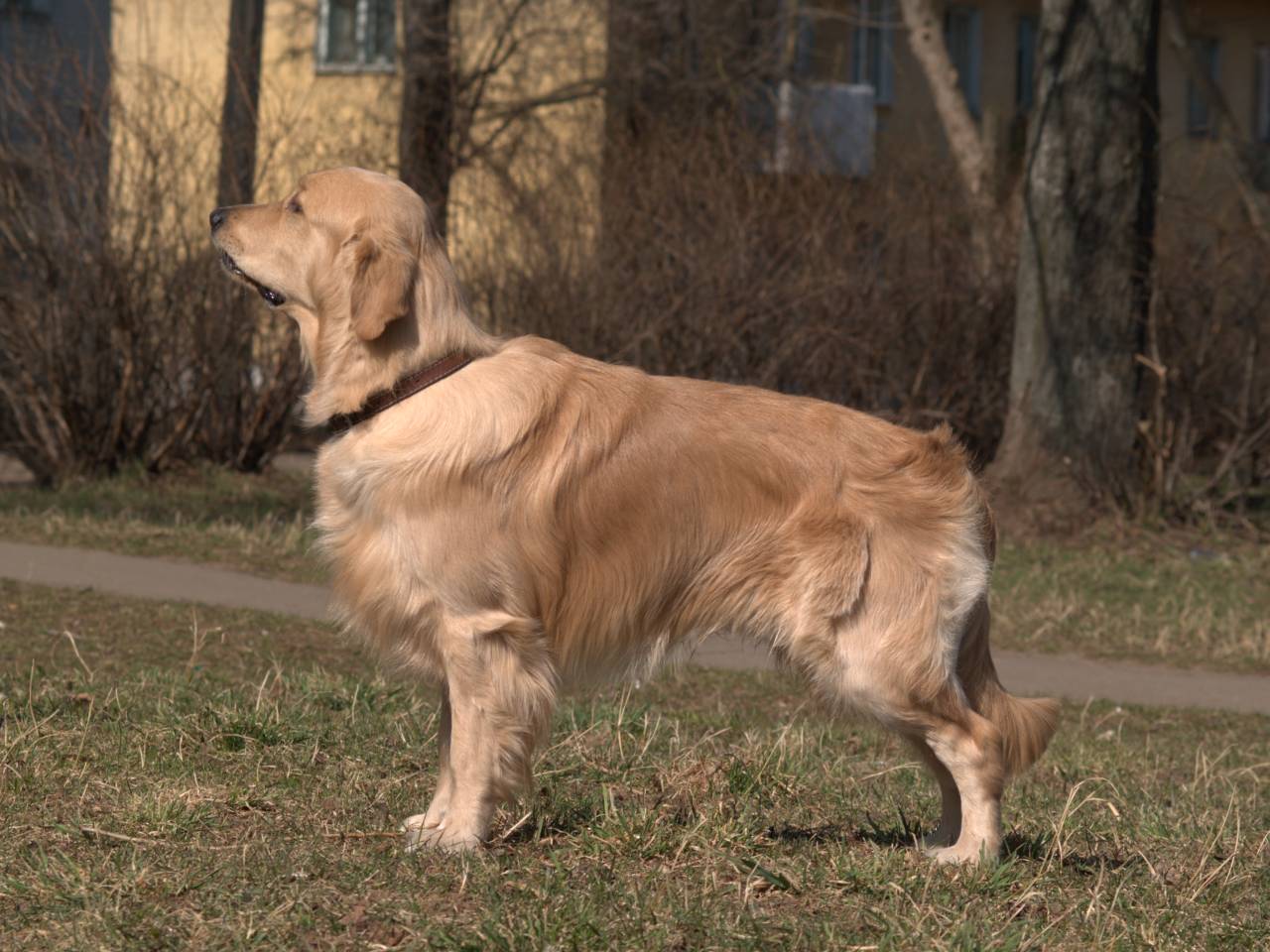
- Gun dogs: Trained to find, flush, point or retrieve birds and small game, often working closely with hunters using firearms.
Although breeds are often associated with a primary role, many individual dogs and regional types perform overlapping tasks. Working characteristics include scent discrimination, steadiness to shot, soft mouth for retrieval, boldness to enter cover, and the ability to work independently or in close partnership with a handler.
Domestication of dogs and their use in hunting goes back thousands of years; archaeological and historical records show people selectively bred dogs for specific hunting functions. Over time, formal breed standards emerged in some cultures while practical, landrace and mixed types persisted where function mattered more than appearance.
Modern uses extend beyond sport hunting. Hunting dogs are used in game recovery, wildlife population management, invasive species control, and search operations where tracking skills are valuable. They are also kept as companions; many former working breeds now participate in field trials, scent work and other dog sports that preserve traditional skills.
Contemporary considerations include ethical hunting practices, local regulations, and welfare: proper training, socialization, and health care are essential. Distinctions to note are breed versus type (formal breed standards versus functional categories), and regional names for similar roles. For further reading on specific breeds, training methods and legal frameworks consult specialist resources or local hunting and canine organizations.
Related resources: see breed guides and training manuals for practical details and regional hunting regulations. For introductory material, visit a local kennel club or community hunting organization.
Questions and answers
Q: What is a hunting dog?
A: A hunting dog is any dog that helps humans in hunting.
Q: What are the major categories of hunting dog?
A: The major categories of hunting dog include hounds, terriers, cur type dogs, and gun dogs.
Q: Is there only one type of hunting dog?
A: No, there are several types of hunting dogs.
Q: What are the smaller groups within the major categories of hunting dog?
A: The smaller groups within the major categories of hunting dog are based on different things the dogs are good at doing.
Q: What are hounds?
A: Hounds are a category of hunting dog.
Q: What are gun dogs?
A: Gun dogs are a category of hunting dog.
Q: What do hunting dogs do?
A: Hunting dogs help humans in hunting.
Related articles
Author
AlegsaOnline.com Hunting dog: roles, types, history and modern use Leandro Alegsa
URL: https://en.alegsaonline.com/art/45768