
Night: Definition, Causes, Effects and Cultural Significance
Night is the period when the Sun is below the horizon; it shapes ecology, human behavior, astronomy and culture, and varies with latitude, season and Earth's rotation.
Overview
Night is the recurring interval each day when the Sun is below the local horizon and direct sunlight does not reach a given location. It typically begins after dusk and ends at dawn, producing conditions of low natural light. The contrast of night with day underlies many physical, biological and cultural rhythms.
Image gallery
10 Images




Physical causes and twilight
Night results from the Earth's rotation: as a place turns away from the Sun, sunlight falls below the horizon for an interval determined by geographic position and time of year. The transition between day and night is not instantaneous. Observers experience stages of twilight—civil, nautical and astronomical—before it becomes fully dark. These stages depend on the Sun's angle beneath the horizon and affect visibility, navigation and astronomical observation.
Global variation and special phenomena
The timing and duration of night change with season, latitude and longitude, and are expressed relative to local time zones. Near the poles, extremes occur: the polar night brings extended darkness in winter, while the midnight sun produces continuous daylight in summer. The line separating day and night is called the terminator and moves steadily as the Earth spins. Brief, localized darkness can also occur during a solar eclipse when the Moon blocks sunlight.
Ecological and physiological effects
Night drives distinct ecological niches. Many animals are nocturnal or crepuscular, adapted to low-light hunting, foraging and avoidance of predators. Plants and animals use night cues in migration, reproduction and metabolism. For humans, darkness influences sleep and circadian rhythms governed by internal clocks and light exposure. Excess artificial illumination—light pollution—alters ecosystems, interferes with astronomical viewing and can disrupt human sleep.
Human uses, technology and history
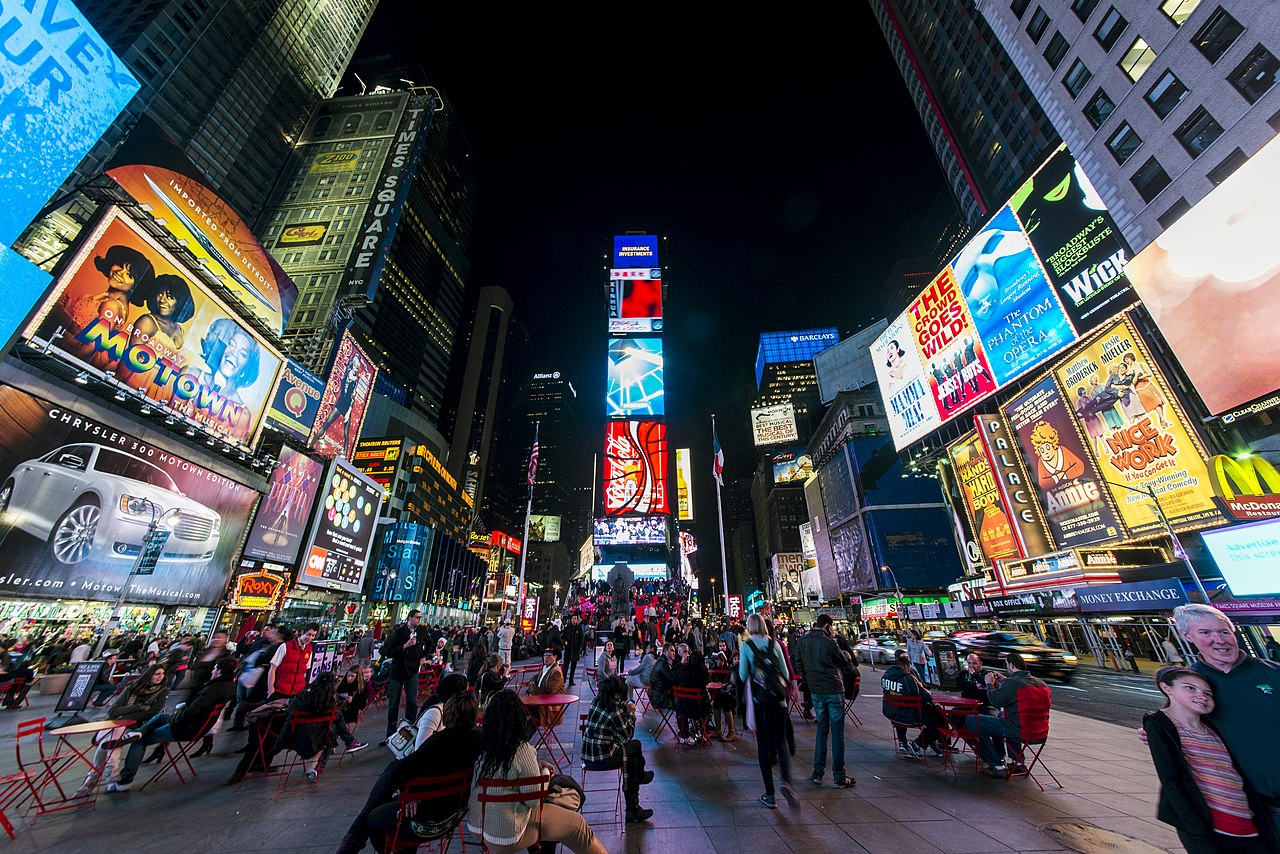
Humans have long modified night with artificial light for safety, work and social life. Historical progress from torches and oil lamps to gas lighting and electric bulbs expanded productive and recreational activities after sunset. Nighttime also shapes industries such as astronomy, nightlife economies, transportation and emergency services. Observational sciences often schedule work at night to take advantage of darker skies.
Cultural meanings and distinctions
Across cultures, night carries layered meanings: it can evoke rest, mystery, creativity or danger. In literature and art, darkness is sometimes a metaphor for the unknown or for moral ambiguity; in religion and ritual it may symbolize introspection or renewal. Practical distinctions remain important: civil definitions separate night from twilight for legal and safety purposes, and planners account for night in urban design. Public perceptions that associate crime with night reflect visible patterns but vary by context and are shaped by lighting and social factors.
Notable facts and resources
- Local definitions of night affect laws and services; for example, curfews or lighting requirements often refer to legally defined night periods managed by municipalities (symbolic and regulatory aspects).
- The interplay of Earth's rotation and orbital tilt creates seasonal variation in night length (Earth science context).
- For more on astronomical twilight, observing conditions and schedules consult specialized resources (twilight timing, diurnal cycles, longitude effects).
Night is therefore both a simple physical state—absence of direct sunlight—and a complex phenomenon that affects nature, human life and culture. For practical guidance on sleep, lighting and astronomy, or to explore cultural traditions of night, see linked resources and local authorities (seasonal data, latitudinal effects, time zone information, eclipse details, lunar relations).
Related articles
Author
AlegsaOnline.com Night: Definition, Causes, Effects and Cultural Significance Leandro Alegsa
URL: https://en.alegsaonline.com/art/70145