
Numinbah Nature Reserve — rainforest remnant in the Mount Warning caldera
Protected subtropical rainforest reserve in the Mount Warning caldera (Border Ranges, NSW). Part of the Gondwana Rainforests World Heritage and Scenic Rim Important Bird Area, conserving remnant forest and wildlife.
Overview
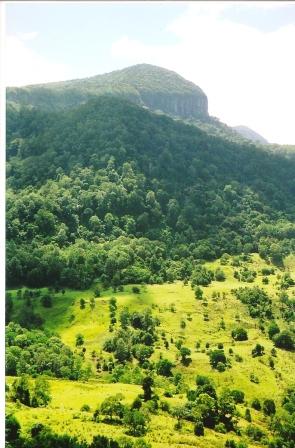
Numinbah Nature Reserve is an 892-hectare protected area set within the geological structure of the Mount Warning caldera in the Border Ranges of north-eastern Australia. The reserve preserves remnants of subtropical and warm-temperate rainforest that grew on soils derived from an ancient shield volcano that erupted more than 23 million years ago (volcanic origin). It is managed primarily for conservation and scientific values and forms part of a broader network of protected areas in the region.
Image gallery
4 Images

Natural features and ecology
The vegetation is dominated by dense, multi-layered rainforest, with vine thickets, tall tree canopies and patches of eucalypt forest where soils are drier or fire frequency has been higher. These plant communities harbour high biodiversity and include many taxa with Gondwanan affinities; the reserve contributes to the representation of these ancient lineages within the Gondwana Rainforests of Australia World Heritage grouping. The site maintains ecological processes such as seed dispersal, nutrient cycling and microclimate buffering that are characteristic of intact subtropical rainforest.
Wildlife and conservation value
Numinbah is recognised as part of the Scenic Rim Important Bird Area and provides habitat for a range of forest birds and other native fauna. It plays a role in the protection and recovery of several declining species by offering refuge, breeding habitat and connectivity across the landscape. The reserve’s status as a World Heritage element and its inclusion on the Australian National Heritage List underline its value for conservation (conservation).
- Protected status: included within the Gondwana Rainforests World Heritage ensemble and on national heritage registers.
- Size and setting: remnants of subtropical rainforest on volcanic terrain, totalling about 892 hectares.
- Biodiversity: supports diverse plant and animal communities, including species of conservation concern and important bird populations (species).
- Threats: impacted by habitat fragmentation, invasive plants and animals, and altered fire regimes that can favour open-forest species over rainforest specialists (threatened).
Management, access and cultural context
Management focuses on protecting remnant forest, controlling invasive species, using appropriate fire management, restoring degraded areas and monitoring ecological outcomes. Public access is generally limited to low-impact activities such as birdwatching and nature study to minimise disturbance to sensitive habitat. The reserve also lies within a landscape of cultural significance to local Indigenous communities, who have long-standing connections to country and continue to contribute to its care. Numinbah’s conservation value is enhanced by its links with neighbouring parks and reserves, providing corridors for wildlife and increasing the resilience of the regional ecosystem.
Questions and answers
Q: What is Numinbah Nature Reserve?
A: Numinbah Nature Reserve is a protected area located in the Border ranges of north eastern New South Wales in Australia.
Q: What is Mount Warning?
A: Mount Warning is a volcano that erupted more than 23 million years ago and it is part of the Mount Warning caldera.
Q: What is the size of Numinbah Nature Reserve?
A: The size of Numinbah Nature Reserve is 892 hectares.
Q: What is the Shield Volcano Group?
A: The Shield Volcano Group is a part of the World Heritage Site Gondwana Rainforests of Australia that Numinbah Nature Reserve is a part of.
Q: When was Numinbah Nature Reserve listed in the Australian National Heritage List?
A: Numinbah Nature Reserve was added to the Australian National Heritage List in 2007.
Q: What is the Scenic Rim Important Bird Area?
A: The Scenic Rim Important Bird Area is an area that includes Numinbah Nature Reserve and it is important for the conservation of several species of threatened birds.
Q: When was the Gondwana Rainforests of Australia listed as a World Heritage Site?
A: The Gondwana Rainforests of Australia were listed as a World Heritage Site in 1986.
Related articles
Author
AlegsaOnline.com Numinbah Nature Reserve — rainforest remnant in the Mount Warning caldera Leandro Alegsa
URL: https://en.alegsaonline.com/art/71440
Sources
- environment.nsw.gov.au : "Mount Warning National Park plan of management"
- birdlife.org : birdlife.org/