
Nymph (biology)
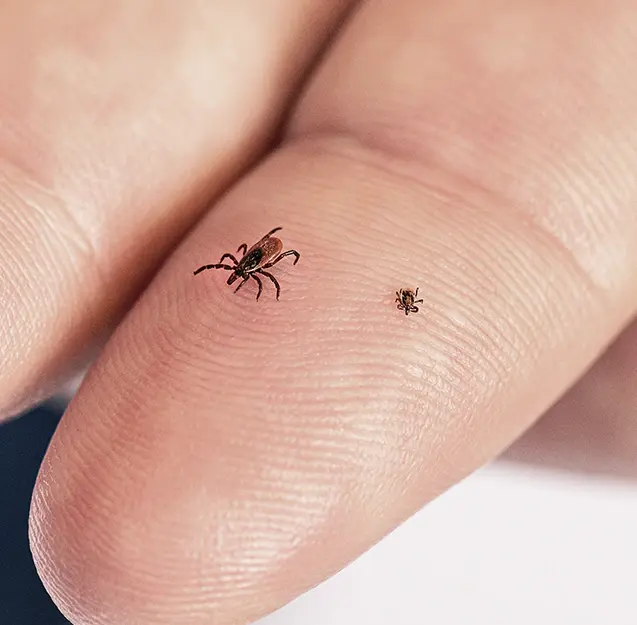
A nymph is the immature, wingless form of certain arthropods that develop by incomplete metamorphosis; nymphs resemble adults and grow through a series of molts called instars.
Overview
In zoology a nymph is the juvenile stage of many arthropods — most commonly insects — that undergo incomplete metamorphosis. Unlike the larvae of fully metamorphosing species, nymphs generally resemble the adult in body plan and habits, though they are smaller, lack fully developed wings and reproductive organs, and often occupy slightly different ecological niches. For the spirit and mythological figure see nymph (spirit).
Image gallery
4 Images


Key characteristics
Nymphs share several typical features: growth by repeated shedding of the exoskeleton (moulting), progression through discrete instars, and the absence of a pupal stage. They hatch from an egg and gradually increase in size and structural complexity until the final moult produces a sexually mature adult. Taxonomically, nymphal development is characteristic of groups within the hemimetabolous insects, such as many true bugs, grasshoppers and cockroaches.
Life cycle and development
The life cycle that produces nymphs contrasts with complete metamorphosis: in hemimetabolous species there is no distinct pupal transformation. After the egg stage, successive nymphal instars replace the cuticle and grow incrementally until the adult features are fully formed. Each moulting event permits changes in size and sometimes in the proportion or number of appendages. The adult emerges directly from the final nymphal instar without passing through a dormant pupa (pupa).
Aquatic nymphs and special terms
Some nymphs are adapted to life in water and differ markedly from their terrestrial counterparts. Aquatic nymphs possess gills or other respiratory adaptations and may have body shapes suited to crawling among substrate or active predation. In older literature and common usage aquatic insect nymphs, such as the immature stages of dragonflies, are often called naiads. These forms can spend extended periods submerged before emerging for the final moult.
Examples and ecological roles
Typical insects with nymphal development include many grasshoppers, locusts, cockroaches, true bugs (Hemiptera), mayflies and dragonflies. Nymphs often occupy the same broad habitats as adults, feeding on similar resources; in some cases, however, juvenile and adult diets or microhabitats differ, which can reduce intraspecific competition and affect ecosystem dynamics.
Distinctions and notes
- Hemimetaboly (incomplete metamorphosis) produces nymphs; holometaboly (complete metamorphosis) produces larvae and a pupal stage — the two strategies have different evolutionary and ecological consequences.
- Nymphal terminology and structure vary across arthropod groups; in general, the term applies to immature forms that lack a pupal phase and resemble adults.
- For broader taxonomic context see entries on zoology and invertebrates.
For additional reading on related terms and life-history patterns, consult resources linked to moulting, instars and metamorphosis (moulting, instars, metamorphosis) and examples such as dragonflies, grasshoppers, cockroaches and true bugs. Additional general references: egg development and the transition to adult through the final moult, and the distinction from a pupa.
Related articles
Author
AlegsaOnline.com Nymph (biology) Leandro Alegsa
URL: https://en.alegsaonline.com/art/71554