
Newfoundland and Labrador: Canada's easternmost province
Overview of Newfoundland and Labrador: geography, history, people, economy and notable features of Canada's easternmost province, including St. John's and the island-mainland division.
Newfoundland and Labrador is the easternmost province of Canada, composed of the island of Newfoundland and the mainland region of Labrador. Its capital is St. John's, a city with deep maritime roots. The official French name is Terre-Neuve-et-Labrador. According to the 2016 census the province had about 519,716 residents; communities range from small coastal fishing settlements to larger urban centres.
Image gallery
10 Images


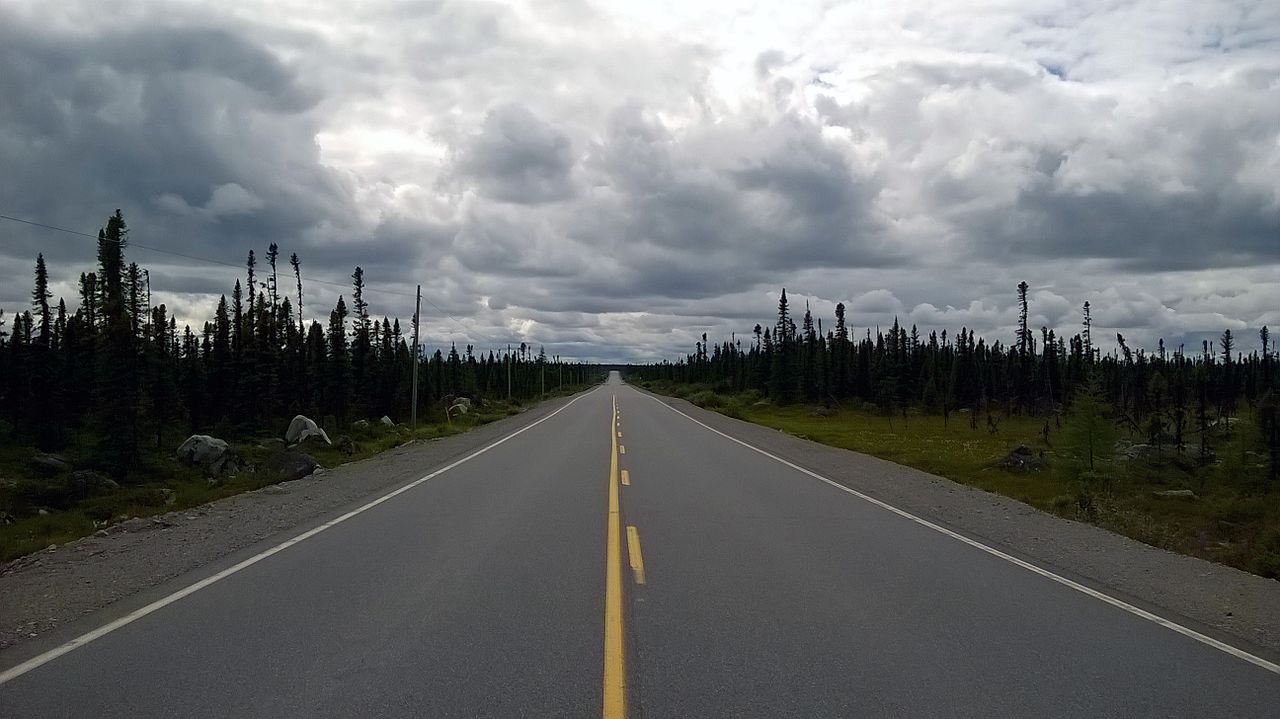


Geography and environment
The province sits on the east coast of Canada and is separated from the rest of the country by land borders and ocean waters. Newfoundland is an island with an indented coastline and many bays and coves; Labrador is part of the mainland and shares a long border with Quebec. The region includes boreal forests, tundra in the north, and rich marine ecosystems influenced by the Labrador Current. Weather is variable, with foggy coasts, strong winds and cold winters in much of the province.
History and peoples
Indigenous peoples, including the Inuit and the Innu, have long inhabited Labrador and parts of the island coast. European contact dates from the late 15th century and Newfoundland was an early focus of Atlantic fisheries and settlement. The province joined Canadian Confederation in 1949 and continues to balance traditional industries with modern development.
Economy, culture and society
Historically built on fishing, the provincial economy today also depends on offshore oil, mining, forestry and growing tourism. Cultural life reflects English, Irish and Indigenous influences, visible in music, dialects, crafts and festivals. St. John's is the centre of government, services and cultural institutions.
Government and notable facts
- The province is governed as a Canadian province with its own legislature and administration (province).
- It is notable for having its own half‑hour time zone: Newfoundland Standard Time (UTC−3:30).
- Labrador's coastline and northern communities are sparsely populated and feature important Indigenous regions and self‑governing areas.
Newfoundland and Labrador combines rugged natural landscapes, a distinct cultural heritage and an economy shaped by both centuries-old maritime traditions and modern resource development. For further reading and official information consult provincial sources and regional histories (island).
Related articles
Author
AlegsaOnline.com Newfoundland and Labrador: Canada's easternmost province Leandro Alegsa
URL: https://en.alegsaonline.com/art/69743