
16th century (1501–1600): exploration, reform, and cultural change
Overview of the 16th century, a period of global exploration, religious reform, artistic innovation, scientific beginnings, and major political shifts across Europe, Africa, Asia and the Americas.
Overview
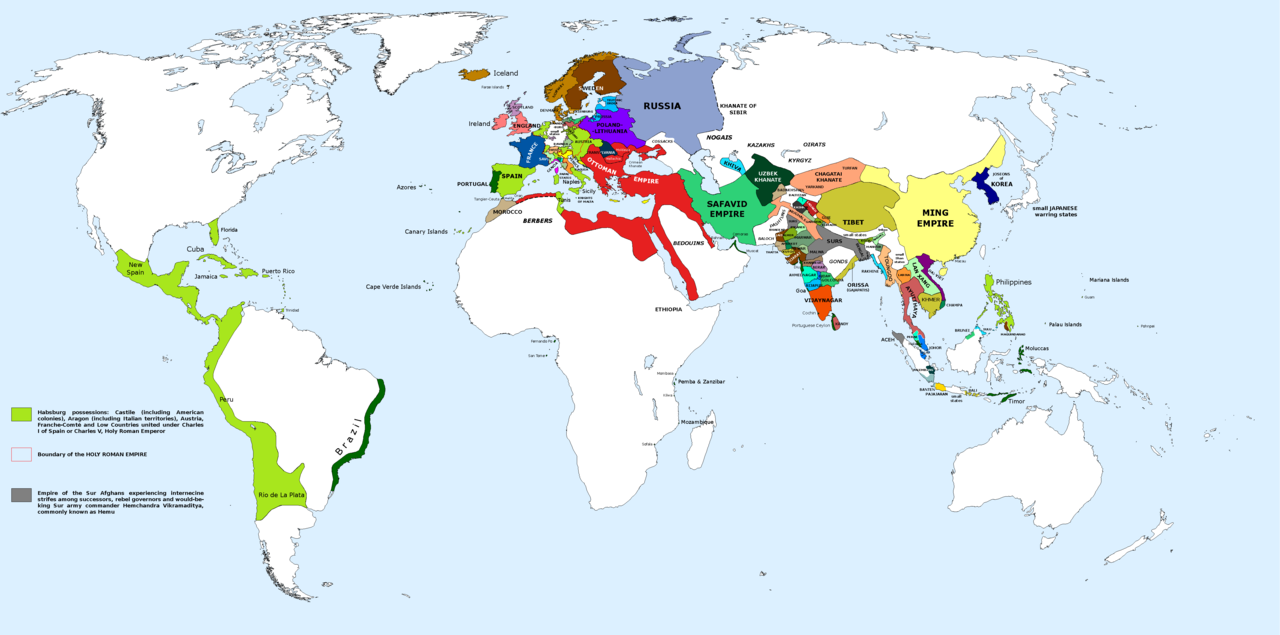
The 16th century spans the years commonly numbered 1501 to 1600 and marks a period of rapid global interaction and profound change. European voyages of discovery extended contacts with the Americas and with Asian trading networks, while political and religious upheavals transformed societies at home. Advances in navigation, printing and the arts reshaped how people understood the world.
Image gallery
10 Images





Major themes and events
Key developments of the century include the expansion of maritime empires, the Protestant Reformation and the Catholic Counter-Reformation, and the beginnings of widespread transoceanic trade. Important episodes often cited are:
- Chronological framing of the period as the 1500s, running from 1501 to 1600.
- European exploration and colonization of the Americas, and renewed maritime links with Asia.
- The Protestant Reformation, sparked by calls for reform in the early decades and followed by Catholic reform measures.
Regional developments
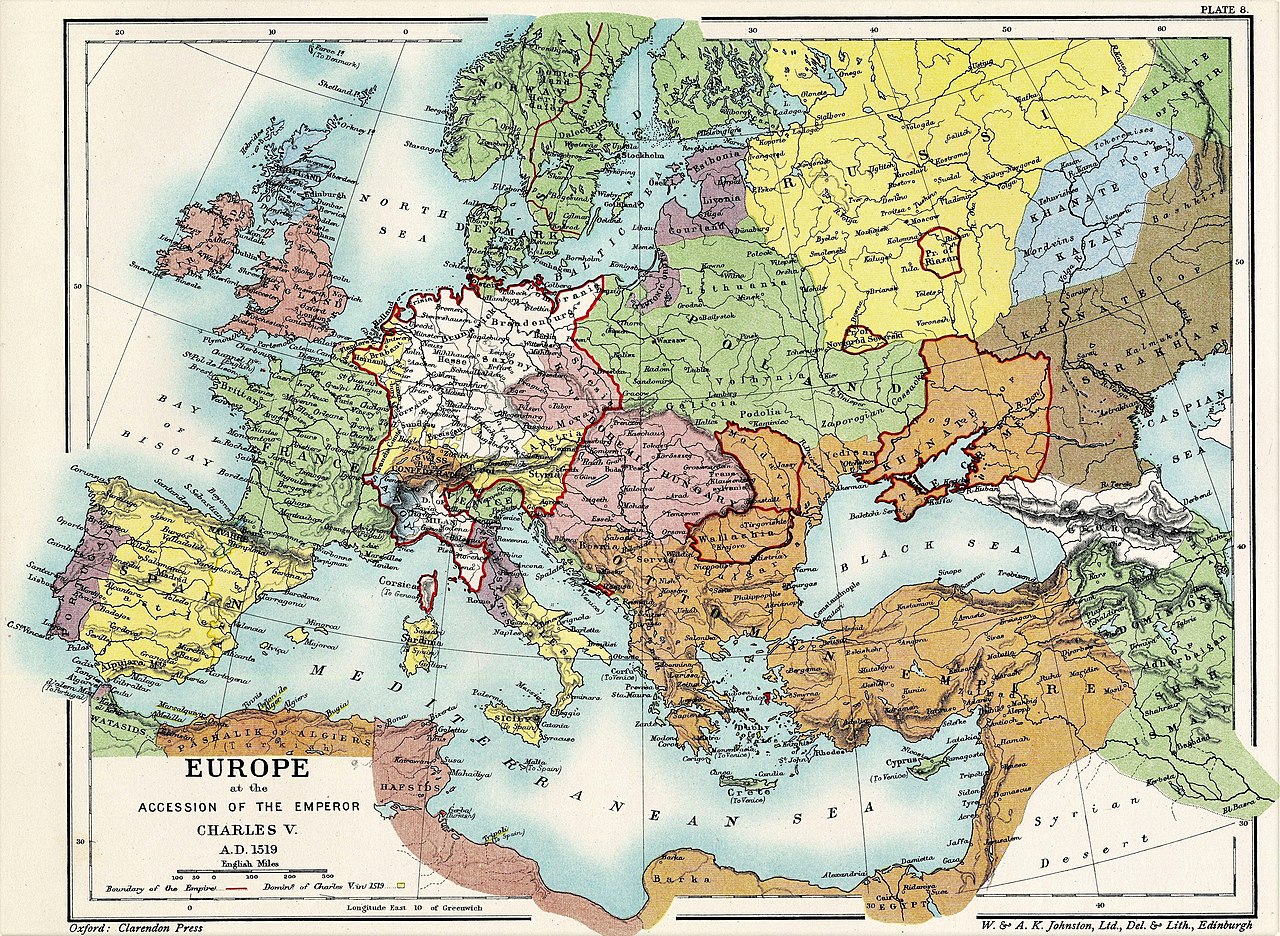
In Europe, the century saw the consolidation of monarchies, religious conflict and cultural flowering: Renaissance art gave way to Mannerism and new vernacular literatures emerged. The Ottoman Empire, Mughal India and Ming China remained powerful regional actors while Japan experienced the arrival of Europeans and internal struggles. In the Americas, indigenous societies faced dramatic disruption from conquest, disease and colonization.
Culture, science and economy
Printing and the spread of literacy accelerated cultural change. Scientific ideas began to challenge older models—most notably with work that questioned geocentric cosmology—while merchants and states adapted to growing long-distance commerce. The influx of precious metals from the Americas contributed to economic shifts often described as price inflation and the rise of early modern capitalism.
Legacy
The 16th century set patterns that shaped the modern world: global trade networks, religious and political boundaries, and artistic and intellectual movements that influenced later centuries. Its mixture of innovation, conflict and exchange makes it a central era for understanding early modern history.
Questions and answers
Q: What was the timeframe of the 16th century?
A: The 16th century was from 1501 to 1600.
Q: What did many Europeans do in the 16th century?
A: Many Europeans visited or moved to the newly-found Americas and some searched for new routes to Asia.
Q: What was one significant change that occurred in Europe during the 16th century?
A: The Protestant Reformation occurred in Europe during the 16th century.
Q: Which continents drew the attention of Europeans in the 16th century?
A: Europeans were drawn to both the Americas and Asia in the 16th century.
Q: What was the reason behind Europeans searching for new routes to Asia in the 16th century?
A: Europeans searched for new routes to Asia in the 16th century to establish trade and obtain valuable goods.
Q: Can we say that the 16th century was a time of exploration and discovery for Europeans?
A: Yes, we can say that the 16th century was a time of exploration and discovery for Europeans, given their heightened interest in discovering the new world.
Q: Was the 16th century a period of stability or significant changes for Europe?
A: The 16th century was a period of significant changes for Europe, as evidenced by the Protestant Reformation and new explorations of the Americas and Asia.
Related articles
Author
AlegsaOnline.com 16th century (1501–1600): exploration, reform, and cultural change Leandro Alegsa
URL: https://en.alegsaonline.com/art/111638