
New Year's Eve: Traditions, Celebrations, and Global Observances
New Year's Eve, on December 31, marks the end of the calendar year. Worldwide observances mix countdowns, fireworks, parties and cultural rituals; it is a public holiday in some countries.
Overview
New Year's Eve is the evening and festivities that precede New Year's Day. It falls on December 31, the final day of the calendar year, and is widely treated as a secular holiday and social occasion. For many people the night marks a symbolic point to close one year and look ahead to the next.
Image gallery
10 Images




Common traditions
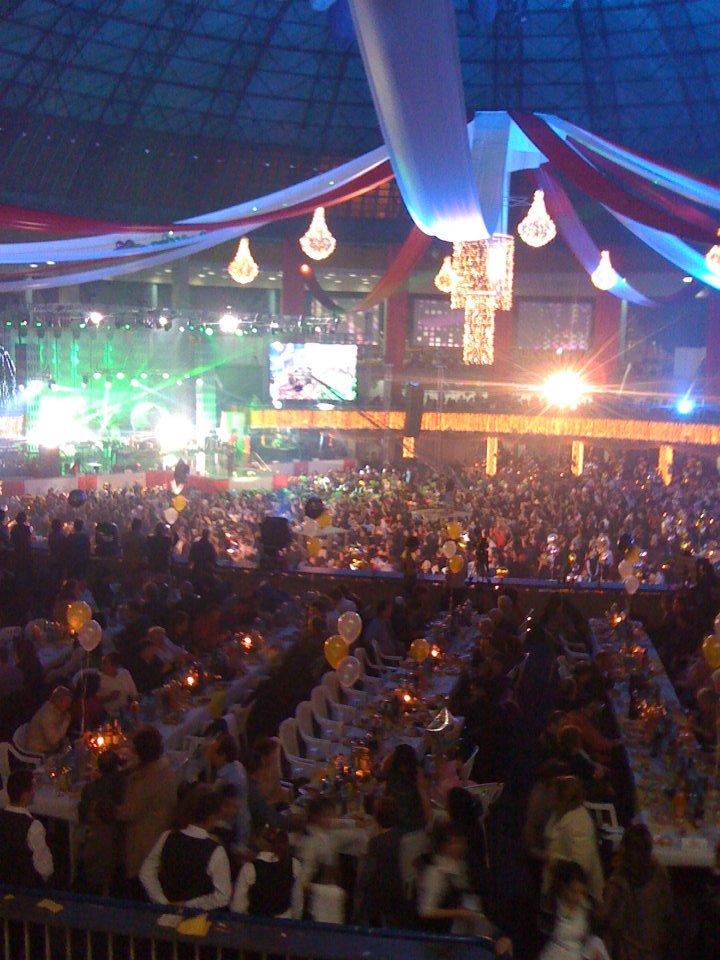
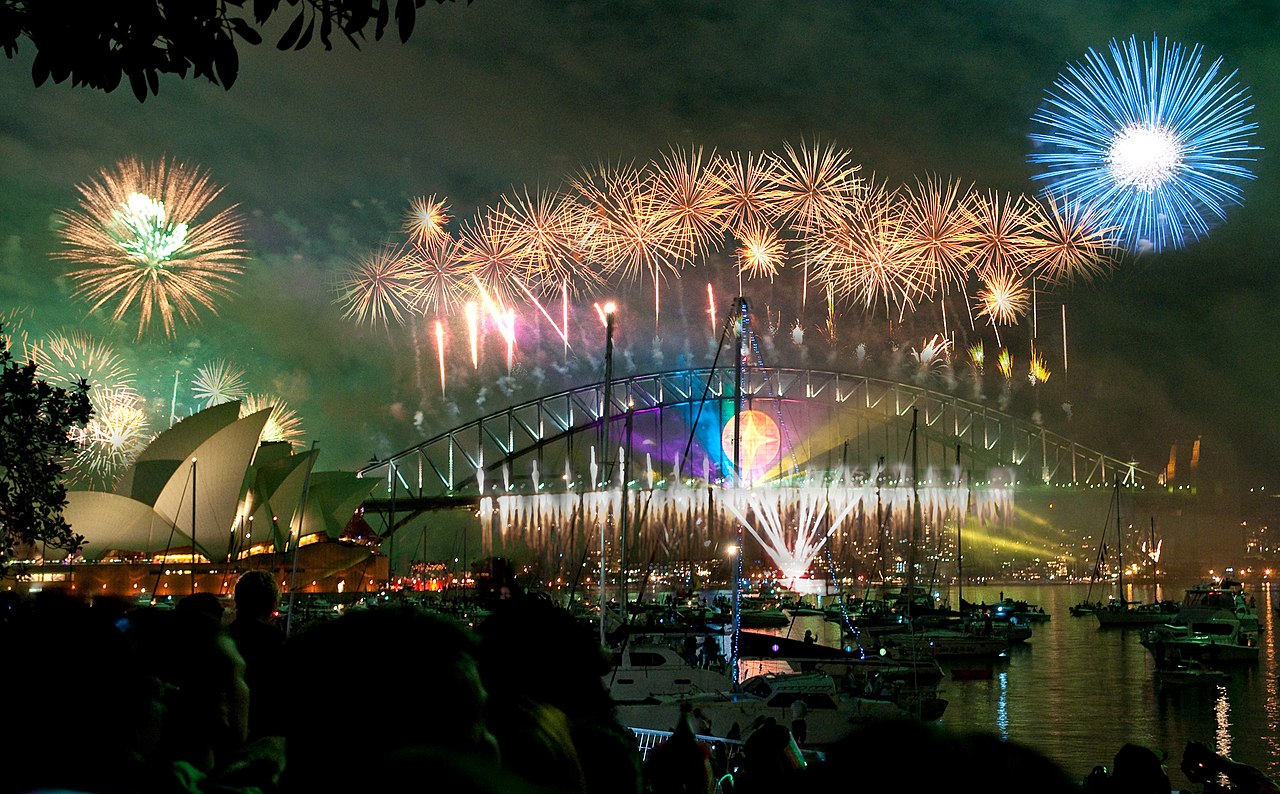
Typical activities include group countdowns to midnight, parties, special meals, and the exchange of good wishes. Festive items such as party hats, noisemakers and sparklers are common, and many people make resolutions or set personal goals for the coming year. Alcoholic toasts, often made with champagne, are widespread in Western-style celebrations (champagne), while fireworks and other loud displays mark the moment of transition (fireworks). Some communities combine modern entertainment with older rituals from local cultures.
Notable public celebrations
Cities and landmarks around the world stage large, often televised events that draw both residents and visitors. Examples of well-known urban celebrations include:
Public holiday status
In some countries New Year's Eve is observed as a public or half-day holiday, which affects business hours and public transport. Examples of nations that commonly recognize the day in law or practice include Australia, Argentina, Brazil, France, Mexico, the Philippines, and Venezuela. Local rules vary: in some places official services close early, while in others only private businesses adjust schedules.
History and cultural background
The idea of marking the end of a year has ancient roots tied to calendars, agricultural cycles and religious observances. Celebrations around the year change as calendars were reformed and societies urbanized; modern New Year's Eve combines civic pageantry with private gatherings. Elements such as midnight bells, processions, and symbolic cleansings appear in different forms across cultures, and many countries incorporate indigenous or historic customs into contemporary festivities.
Safety, environment and modern trends
Large gatherings and fireworks present public-safety and environmental challenges, prompting some cities to favor staged shows, quieter alternatives or designated viewing areas. Broadcasts and online streams have increased access to major events, while some communities emphasize family-friendly programs, noise-reduction measures, or sustainable displays. Whether celebrated privately or in public, New Year's Eve remains a focal point for collective optimism and the ritual marking of time.
For more local information and schedules consult municipal announcements and official event pages: holiday information and local authorities often publish guidance ahead of the night.
Related articles
Author
AlegsaOnline.com New Year's Eve: Traditions, Celebrations, and Global Observances Leandro Alegsa
URL: https://en.alegsaonline.com/art/69642