
Champagne (sparkling wine)
Champagne: a French sparkling wine from the Champagne region, produced by a traditional secondary fermentation in the bottle; overview of grapes, production, styles, history, legal protection and serving.
Overview
Champagne is a sparkling wine that takes its name from the historical Champagne viticultural region in northeastern France. By definition and international law, only sparkling wines produced in that specific geographical area and following the region's strict methods may be labeled "Champagne". The wine is noted for its fine bubbles, acidity, and range of styles from bone-dry to sweet. A general introduction to its identity and reputation can be found in many wine references: Champagne (sparkling wine) and details about the producing area are available from regional sources: Champagne wine region. The region lies within France: France, and is characterized by gently rolling hills and many established vineyards: vineyards in Champagne.
Image gallery
10 Images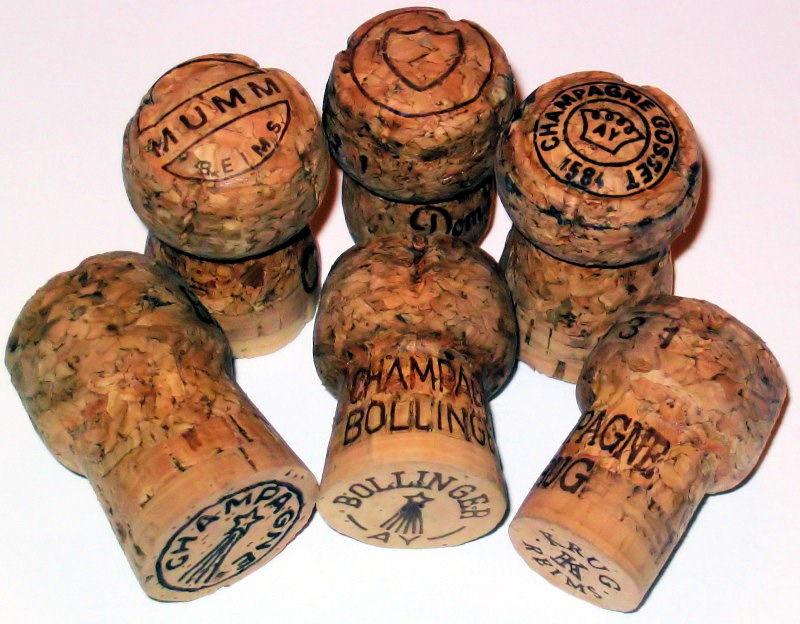


Production and method
What distinguishes Champagne from other sparkling wines is the traditional production method in which the wine undergoes a second fermentation that traps carbon dioxide in the bottle, creating the bubbles. This procedure involves an initial fermentation to make a base still wine, careful blending, bottling with a mixture that induces a second fermentation, and a period of maturation on the lees (spent yeast). Essential steps often cited in descriptions of the technique include:
- Blending of base wines to achieve a house style.
- Addition of tirage (a mixture of sugar and yeast) before bottling to start the second fermentation.
- In-bottle fermentation that produces carbon dioxide naturally rather than by forced carbonation.
- Riddling and disgorgement to remove sediment, followed by dosage to adjust sweetness.
General explanations of winemaking and fermentation can be explored at winemaking resources: winemaking overview, and the role of dissolved carbon dioxide is discussed in scientific and consumer guides: carbon dioxide in wine. The specific term for the second fermentation process is commonly explained in technical references: second fermentation (tirage).
Grapes and common styles
Champagne producers primarily use three grape varieties: Chardonnay, Pinot Noir, and Pinot Meunier. Each contributes different aromas, structure and ageing potential. Popular styles include:
- Non-vintage (NV): blends from multiple years representing a producer's house style.
- Vintage: made from grapes of a single declared year in exceptional harvests.
- Blanc de blancs: made entirely from white grapes, often Chardonnay.
- Blanc de noirs: made from black grapes (Pinot varieties) producing a different texture and flavor.
- Rosé: either by blending a small amount of red wine or by skin contact.
Information about the grape varieties and their characteristics is widely available: grape varieties used in Champagne.
History and legal protection
The development of modern Champagne involved gradual technical and stylistic advances over centuries. While anecdotes often credit individual innovators, the finished, bottled sparkling wine evolved through collaborative improvements in viticulture and cellar practices. Legal protections now guard the name: many countries and trade agreements recognize that only wine from the Champagne appellation may use the name "Champagne", distinguishing it from other sparkling wines such as Cava, Prosecco, or generic sparkling wine.
The administrative limits of the Champagne appellation are not identical to other regional or historical divisions; for example, it is distinct from the former administrative area sometimes referred to as Champagne-Ardenne: regional distinctions.
Uses, service and notable facts
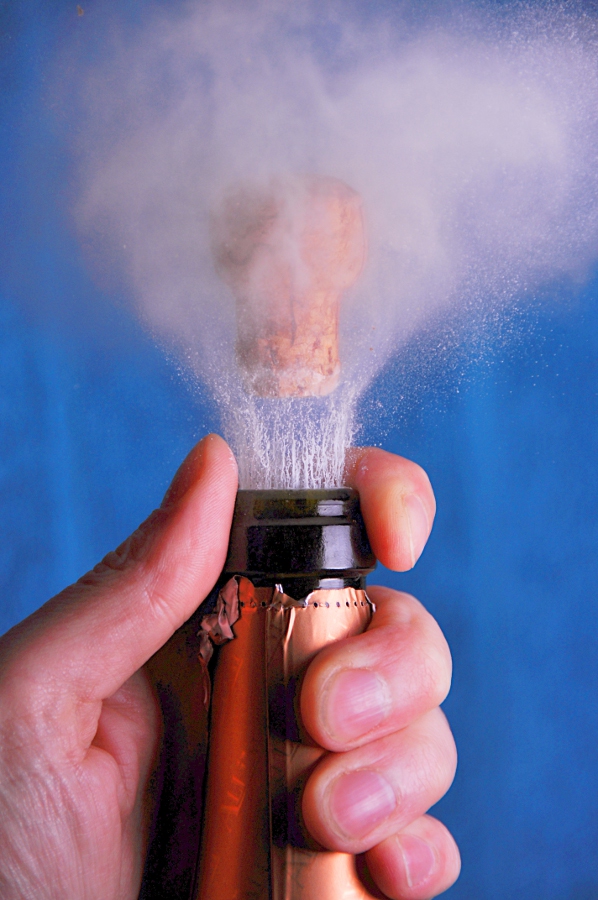
Champagne is widely associated with celebration and ceremonial occasions, but it also plays a role at the table: it pairs well with a range of foods from shellfish and fish to fried foods and light desserts. Service notes include chilling before opening, careful removal of the cork to preserve effervescence, and using flutes or white-wine glasses depending on the desired presentation. For practical guidance on serving and pairing, consult consumer and hospitality guides: vineyard and serving resources.
Distinctions and related terms
Colloquially, "champagne" is sometimes used to describe any sparkling wine, but in commerce and law that usage is restricted. Other sparkling wines are crafted by different methods or in other regions and carry names that reflect their origin or technique. For an overview comparing Champagne to other sparkling wines, see educational wine pages: region comparison and introductory materials: sparkling wine basics.
Questions and answers
Q: What is Champagne?
A: Champagne is a French sparkling wine.
Q: Where did Champagne wine originate from?
A: Champagne wine originates from the Champagne wine region in Grand Est, France.
Q: What is the process behind the carbon dioxide in Champagne wine?
A: Carbon dioxide in Champagne wine comes from a second fermentation in the bottle and is not added.
Q: Can all sparkling wines be called champagne?
A: No, according to trade laws, only sparkling wine from the Champagne region can be called champagne.
Q: Is the Champagne region the same as the Champagne-Ardenne region?
A: No, the Champagne region is not identical to the French region of Champagne-Ardenne or the historical province Champagne.
Q: What is the major grape cultivation in the Champagne region?
A: The Champagne region in France has many vineyards that grow grapes and make wine.
Q: Can other regions outside of Champagne produce sparkling wines similar to Champagne?
A: Yes, other regions outside of Champagne can produce sparkling wines similar to Champagne, but they cannot be called champagne according to trade laws.
Related articles
Author
AlegsaOnline.com Champagne (sparkling wine) Leandro Alegsa
URL: https://en.alegsaonline.com/art/18456