
New Year's Day
New Year's Day marks the start of a new calendar year for many cultures. Most countries observe it on January 1, but other calendars and traditions celebrate their new year on different dates.
New Year's Day is the name commonly given to the day that begins a new calendar year in many societies. In the modern international civil calendar it falls on January 1, and it is widely observed as a public holiday. The day symbolizes a transition from one year to the next and is marked by ceremonies, social gatherings, public events and, in many places, official closures or reduced business hours. For a general reference to its legal or civic status see official holiday designations.
Image gallery
10 Images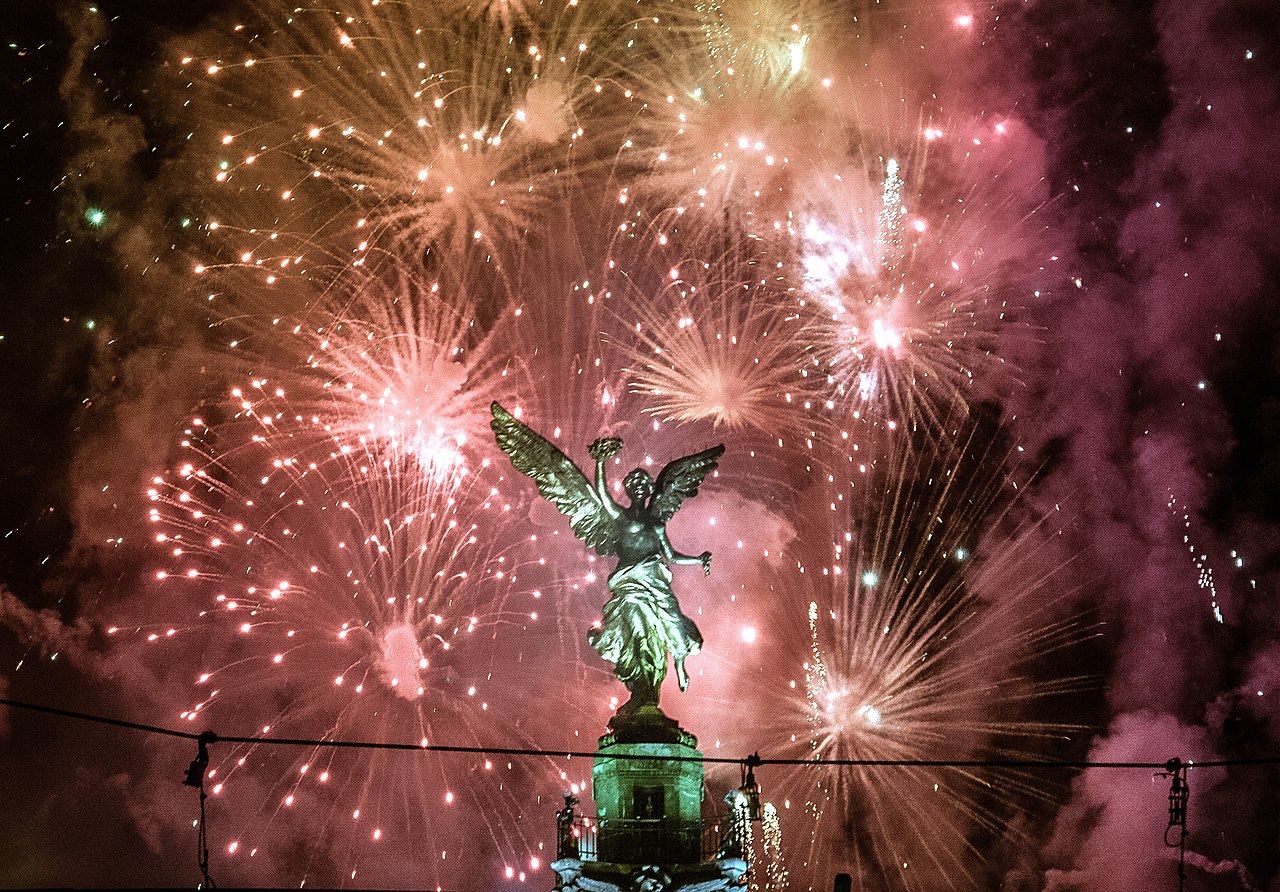



Observance and common traditions
Celebrations vary by culture but often include fireworks, countdowns, music, speeches, and communal toasts at midnight. Many people make resolutions—personal commitments intended to improve life or habits in the coming year. Television and radio broadcasts frequently carry live coverage of major city festivities, and hospitality, seasonal foods, parades and religious services are also common. The day is a major social event and a travel peak in many countries.
Typical customs
- Midnight countdowns and fireworks to signal the start of the year.
- Family meals or special foods believed to bring luck and prosperity.
- Public ceremonies, concerts and parades organized by cities or communities.
- Personal traditions such as writing resolutions or symbolic cleansings.
Origins and calendar context
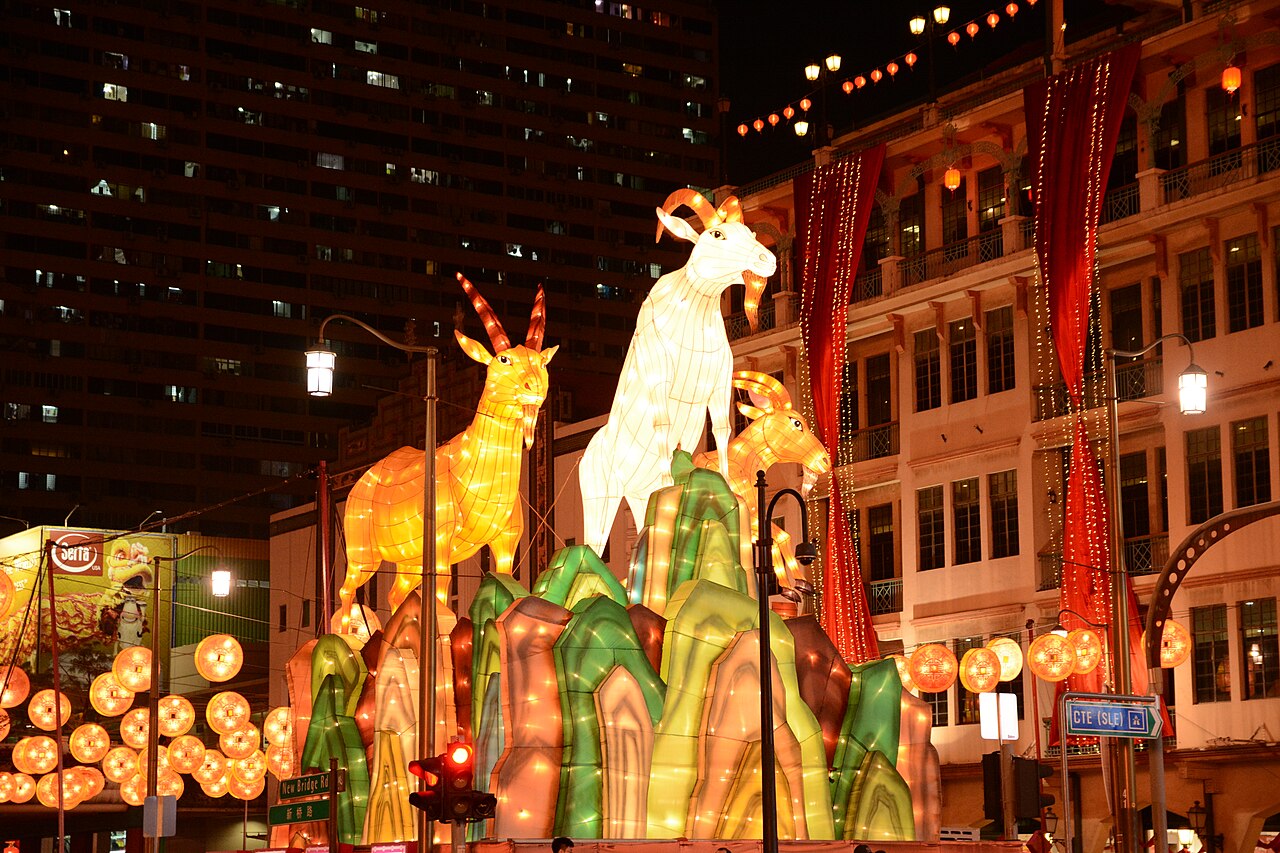
The timing and meaning of New Year's celebrations are shaped by the calendar a culture follows. The January 1 date became widely accepted in societies that use the Gregorian calendar, a refinement of earlier Julian reforms, but other cultures maintain new year observances tied to lunar, lunisolar, or agricultural cycles. Examples include the Chinese New Year, celebrated according to a lunisolar system, and the Islamic New Year, which follows a purely lunar calendar. For background on calendar systems and how they determine new year dates see calendar systems and yearly calendars.
Modern significance and examples
As a civic occasion, New Year's Day affects government offices, schools and commerce; many countries declare it a public holiday or recommend time off. Major urban celebrations — such as large-scale fireworks displays, televised countdowns and organized concerts — attract both residents and visitors and have economic as well as cultural impact. New Year's events are also a focus for charitable activities, state messages, and sporting traditions in some places.
Variations and notable facts
Not every community marks the new year on January 1. Religious, cultural and regional calendars mean that New Year's observances can occur on very different dates and with distinct meanings. The general idea of honoring the end of one period and the beginning of another is nearly universal: the new year is fundamentally an event of temporal renewal and social reflection, expressed through diverse rituals across the world. For descriptions of specific celebrations and large-scale events, consult resources about the global New Year event.
Questions and answers
Q: What is New Year's Day?
A: New Year's Day is a holiday that was created to welcome the new year and is celebrated in many countries.
Q: When is New Year's Day celebrated in most countries?
A: New Year's Day is celebrated on 1 January in most countries.
Q: How many countries and territories celebrate New Year's Day?
A: Over 200 countries and territories celebrate New Year's Day.
Q: What is the significance of the new year?
A: The new year marks the end of one year and the beginning of the next, and is celebrated by cultures that measure yearly calendars.
Q: Do all cultures celebrate new year?
A: Yes, cultures that measure yearly calendars all have new year celebrations.
Q: What is the most widely celebrated holiday in the world?
A: New Year's Day is the most widely celebrated holiday in the world.
Q: What is the history behind New Year's Day?
A: New Year's Day was created to welcome the new year and has been celebrated in many countries as a way of marking the passage of time.
Related articles
Author
AlegsaOnline.com New Year's Day Leandro Alegsa
URL: https://en.alegsaonline.com/art/69641
Sources
- commons.wikimedia.org : New year celebrations