
Firework: history, types, chemistry, uses and safety
A comprehensive overview of fireworks: what they are, how they work, historical origins, common types and uses, and safety, regulation, and environmental concerns.
Overview
A firework is a pyrotechnic device that produces visual and auditory effects for entertainment, celebration, or signaling. Typical fireworks generate light, sound, smoke and sometimes airborne debris such as confetti. They range from simple sparklers and ground fountains that can be used by individuals to large aerial shells and multi-shot displays executed by trained professionals.
Image gallery
10 Images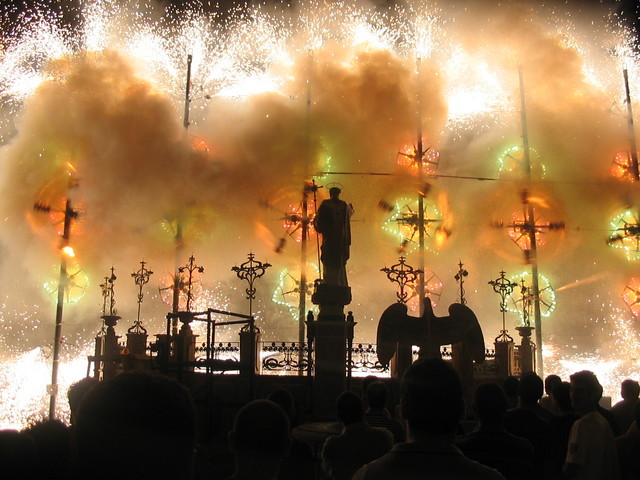


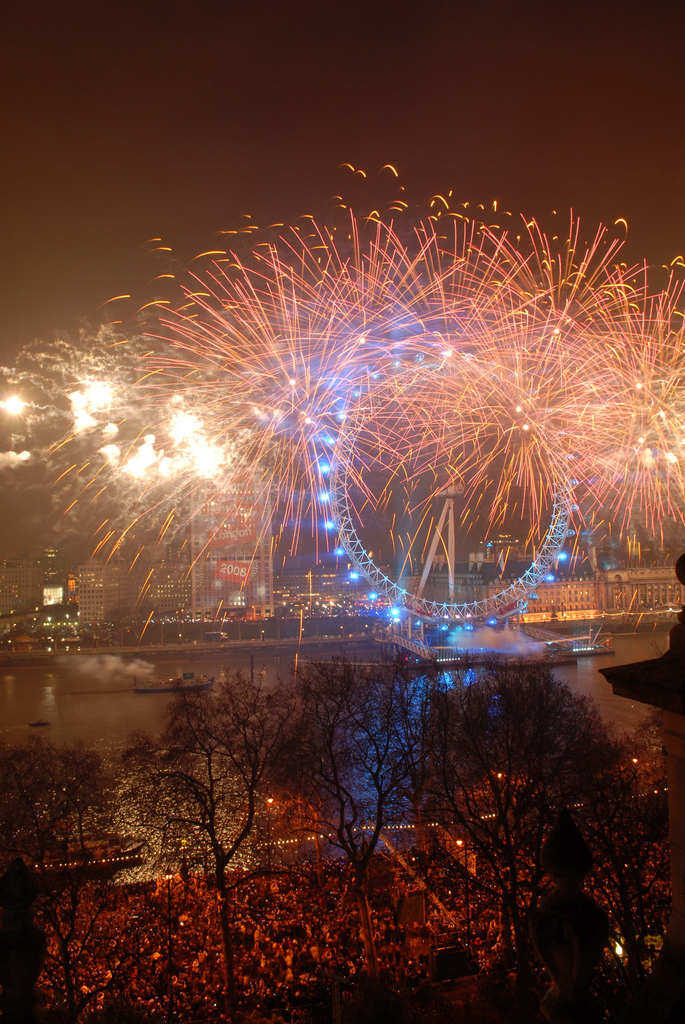

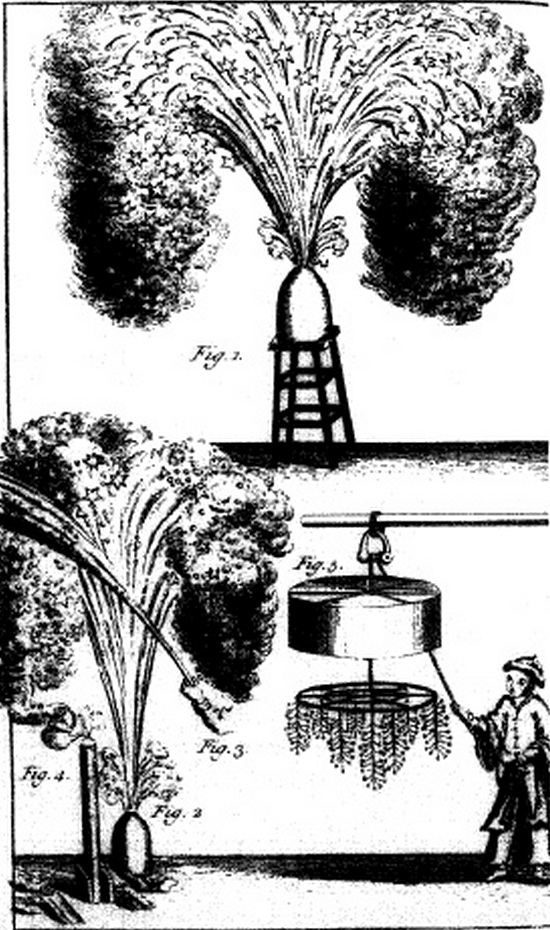


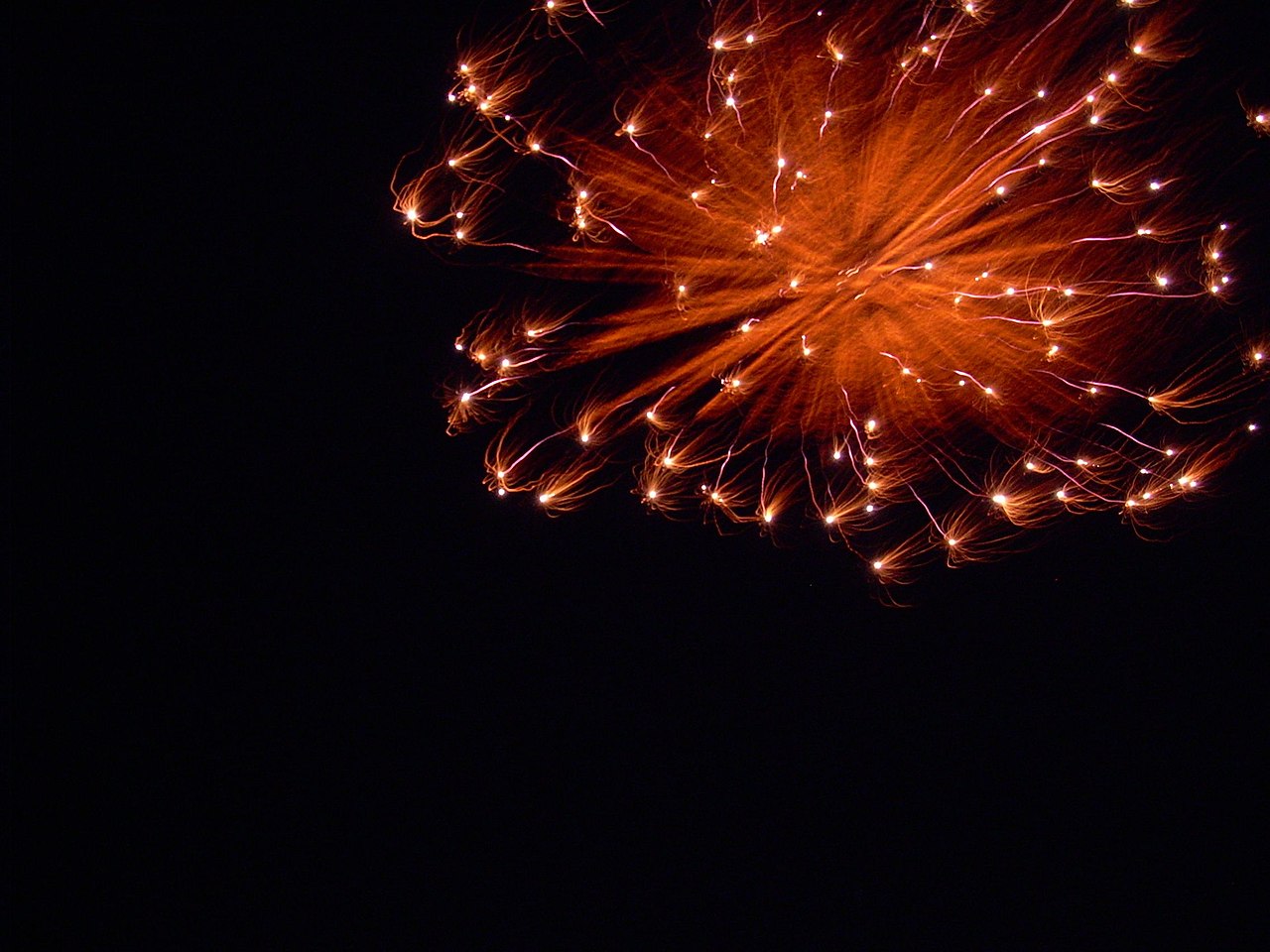

Characteristics and components
Most fireworks share a common set of elements: a fuel and oxidizer mixture (the propellant and bursting charge), metal salts or compounds that create color, a binder to hold the composition together, and a fuse or ignition system. The color of flames and sparks arises from heated metal salts: for example, strontium yields red, copper produces blue, sodium gives yellow, and barium can produce green hues. Sound is produced when a firework's charge detonates rapidly, while smoke comes from incomplete combustion of the composition.
Types and typical effects
Fireworks are broadly classified by how they are used and the effects they create. Common categories include:
- Ground-based devices: sparklers, fountains, and wheels that remain on or near the ground.
- Aerial shells and rockets: launched into the sky to burst into patterns of colored stars.
- Roman candles and multi-shot cakes: sequences of shots that fire several stars or effects in succession.
- Comet, mine, and mortar effects: produce rising trails, fan-shaped bursts, or rapid salvos.
Designers combine shapes, timing, and color chemistry to form familiar aerial patterns such as peonies, chrysanthemums, willows, brocades and rings.
History and cultural role
Fireworks originated in China, where early gunpowder-filled tubes and bamboo stems were used for festivals and to deter evil spirits. Technology and techniques spread along trade routes to the Middle East and Europe, evolving into more sophisticated aerial displays by the Renaissance. Across the world, fireworks have become central to national holidays, religious festivals and public ceremonies; examples include national independence days, New Year celebrations and cultural observances such as Guy Fawkes Night. For introductions to general concepts and safety guidance see pyrotechnics overview and discussions of cultural uses at festival contexts.
Uses, examples and notable facts
Fireworks are used for entertainment at public displays, private celebrations, sporting events, and theatrical productions. They can mark community rituals and are often synchronized with music and light shows for dramatic effect. Non-entertainment uses include signaling for maritime or emergency purposes. Small pieces of extraneous material such as confetti are sometimes incorporated; for more on decorative materials see confetti and additives. Historical milestones, manufacturing methods and major public displays are documented in specialist sources such as festival histories and technical references regulation summaries.
Safety, regulation and environmental concerns
Because fireworks use explosive charges and flammable chemicals, they present risks of burns, fires and eye injuries. Many countries restrict use of professional display-grade fireworks to licensed operators and limit sales of consumer fireworks. Regulations cover storage, transport, age limits and permitted noise levels; local rules and emergency guidance are often published by authorities—see sample guidance at public safety resources and legal summaries at regulatory overviews. Environmental issues include air pollution from particulates and chemical residues, disturbance to wildlife and pets, and litter from spent materials. Safer practices include following local laws, using protective equipment, keeping water or fire extinguishers ready, and choosing lower-noise or indoor-appropriate alternatives when possible.
Note: This article provides a general introduction. For hands-on use, training and legal compliance, consult local authorities and certified pyrotechnicians.
Questions and answers
Q: What is a firework?
A: A firework is an explosive pyrotechnic device mostly used for entertainment.
Q: What are the most common effects of a firework?
A: The most common effects of a firework are noise, light, smoke, and sometimes floating materials.
Q: Are fireworks used only for entertainment purposes?
A: Yes, fireworks are mostly used for entertainment purposes.
Q: What are some occasions where fireworks are commonly displayed?
A: Firework displays are common during cultural and religious festivals, such as Independence Day, New Year's Eve, and Guy Fawkes Night.
Q: Are all fireworks designed to burn with colored flames and sparks?
A: Some fireworks are designed to burn with colored flames and sparks.
Q: Who is allowed to use display fireworks according to most countries' laws?
A: Most countries' laws only allow trained professionals to use display fireworks.
Q: Are smaller and less explosive fireworks available to everyday people?
A: Yes, smaller and less explosive fireworks are available to regular, everyday people, but they are still dangerous and cause injuries each year.
Related articles
Author
AlegsaOnline.com Firework: history, types, chemistry, uses and safety Leandro Alegsa
URL: https://en.alegsaonline.com/art/34497
Sources
- history.com : history.com/news/july-4-fireworks-independence-day-john-adams
- archive.indianexpress.com : "Dubai welcomes 2014 with fireworks display, breaks Guinness world record - Indian Express"