
New Brunswick — Canadian province in the Atlantic region
New Brunswick is an Atlantic Canadian province known for its bilingual population, rugged coastline and the Bay of Fundy, with an economy rooted in natural resources, services and regional culture.
Overview: New Brunswick is a province situated on the east coast of Canada. Its capital is Fredericton, and other major urban centres include Saint John and Moncton. The province is home to roughly three quarters of a million people and is noted for its mix of English- and French-speaking communities.
Image gallery
10 Images


Geography and climate
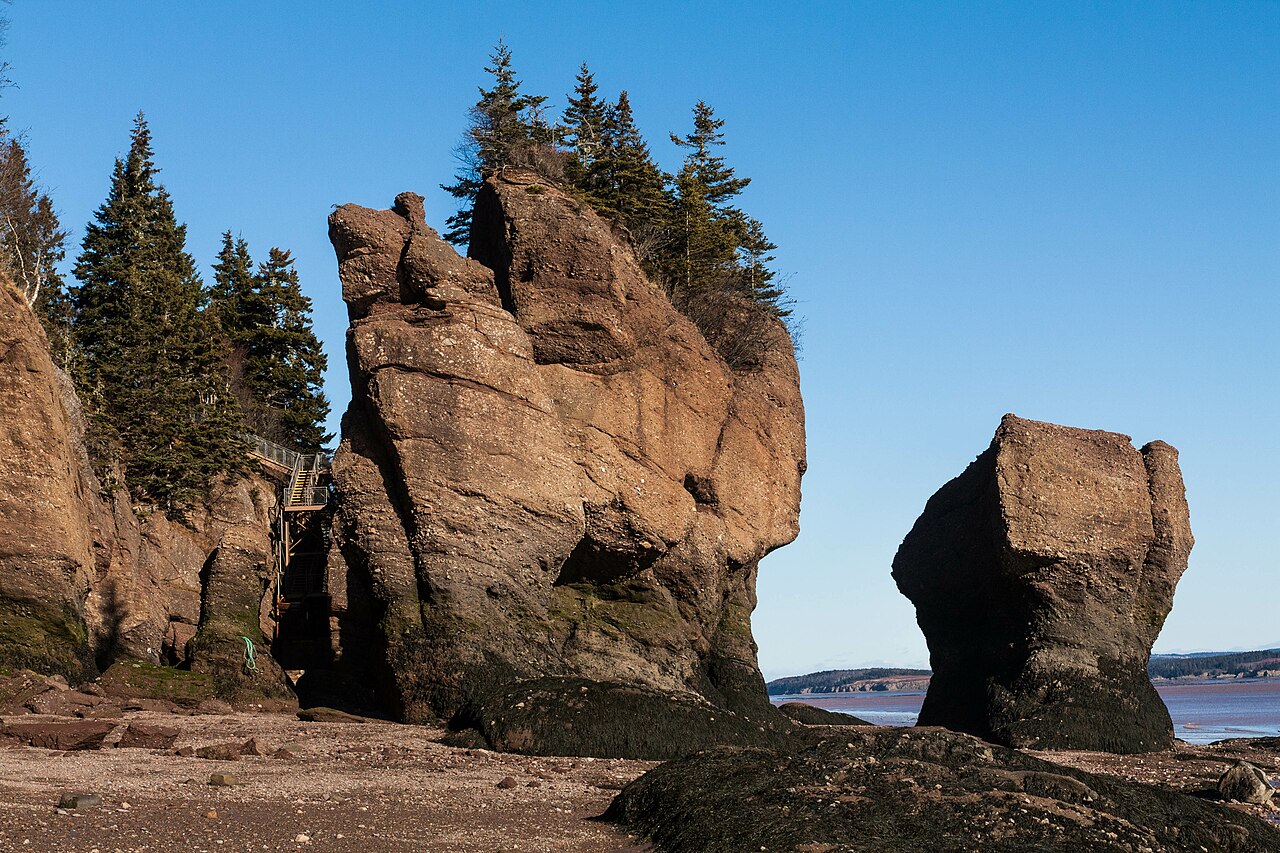
New Brunswick occupies a coastal position with a varied shoreline, islands and extensive river systems. To the west it borders Quebec, to the east Nova Scotia, and to the south the province meets the United States state of Maine. There is a fixed link to Prince Edward Island, and the province faces the Atlantic Ocean. The Bay of Fundy, partly along New Brunswick's shore, is famous for some of the world's highest tides. Inland areas have mixed forest, rolling hills and river valleys; the climate ranges from cool maritime near the coast to more continental inland.
History and population
Indigenous peoples occupied the region long before European contact. European settlement included French-speaking Acadians and later English-speaking Loyalists after the American Revolution. New Brunswick joined the Canadian Confederation in 1867. Today the province is officially bilingual: both English and French are used in government and public life, reflecting the presence of anglophone and francophone communities. The province's linguistic makeup and cultural traditions are central to local identity.
Economy and resources
Economic activity in New Brunswick balances natural-resource sectors with services and manufacturing. Important industries include:
- Forestry — harvesting and wood products.
- Mining — mineral extraction and related services.
- Farming — agriculture, especially in fertile river valleys.
- Fishing — coastal and offshore fisheries tied to the Atlantic.
Complementing resource work are public-sector employment, education, tourism and transportation services that support both residents and cross-border trade.
Government, culture and identity
As a Canadian province, New Brunswick has a provincial legislature and a head of government known as the premier, with ceremonial duties performed by a lieutenant-governor. The bilingual character of the province influences education, media and cultural programming. Acadian culture remains particularly visible in music, language and festivals, alongside broader Anglo-Canadian traditions. Communities place importance on local heritage, natural landscapes and bilingual public services.
Cities, transport and notable features
Major centres such as Fredericton, Saint John and Moncton serve as hubs for government, commerce and transportation. The province's ports, highway corridors and ferry or bridge connections link it to neighbouring provinces and to New England. Natural attractions like the Bay of Fundy coastline, river valleys and forests make New Brunswick a destination for outdoor recreation and regional travel.
New Brunswick's combination of coastal geography, bilingual communities and resource-based economy gives it a distinctive place within Canada's Atlantic provinces and the broader national landscape. For more information on specific topics, see related resources and government pages.
Related articles
Author
AlegsaOnline.com New Brunswick — Canadian province in the Atlantic region Leandro Alegsa
URL: https://en.alegsaonline.com/art/69471