
New River (Mexico–California)
A northward-flowing stream that crosses the U.S.–Mexico border and empties into the Salton Sea; notable for its transboundary course and long-standing pollution and remediation efforts.

Image gallery
8 Images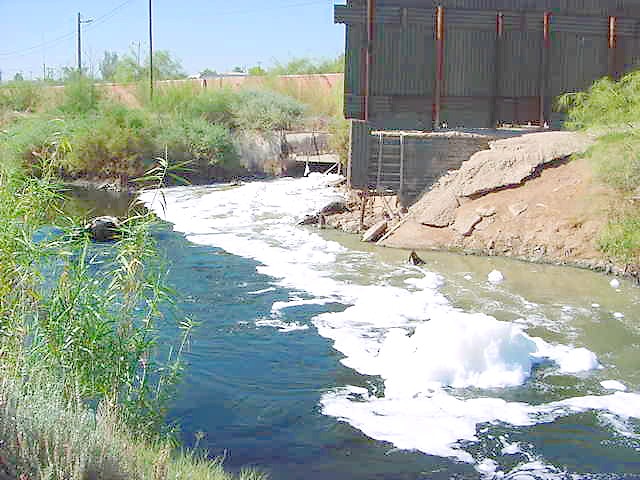



Course and characteristics
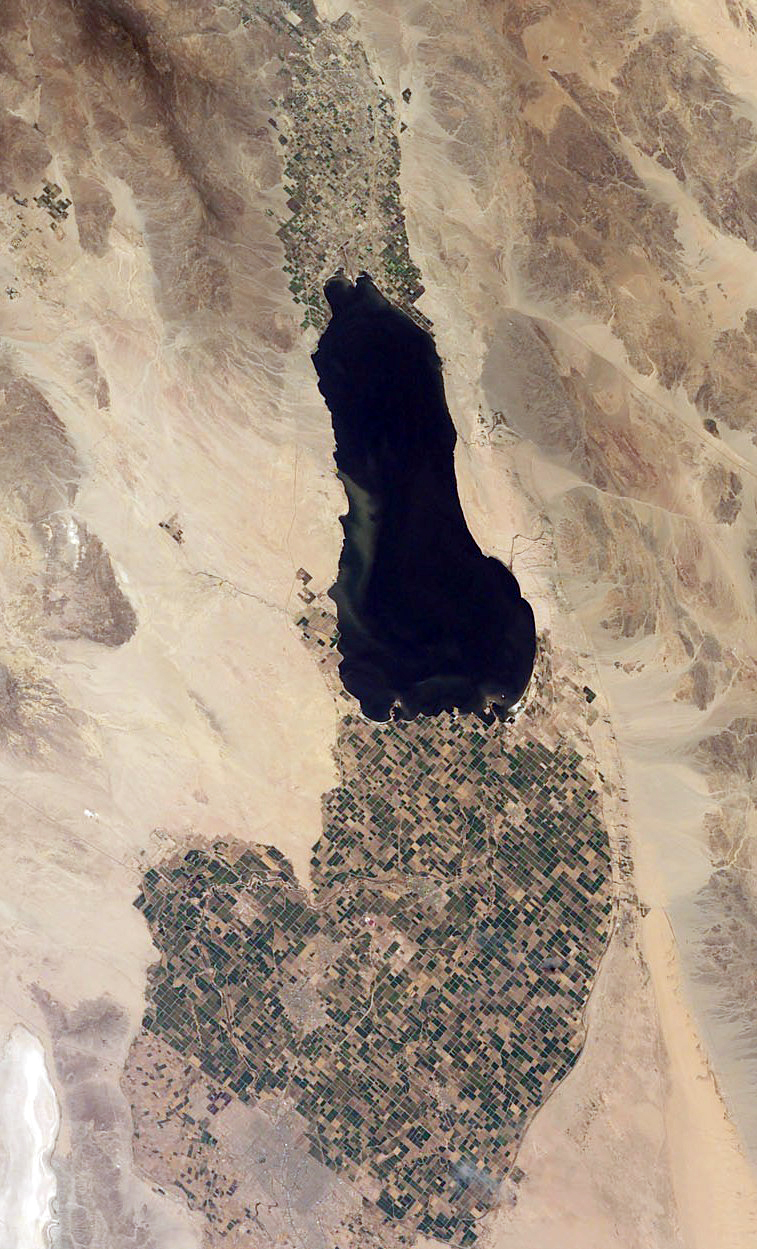
The New River rises in the irrigated plains and urban runoff zones near Mexicali and flows north through a largely man-modified channel across the Imperial Valley before entering the Salton Sea. Its path follows drainage and canal systems built for regional agriculture; in some places the channel has been straightened or confined. Seasonal flow varies, with higher volumes during irrigation seasons and after storms, and lower flow when diversions or evaporation reduce discharge.
Pollution: sources and consequences
The river is widely known for poor water quality. Common contaminants include untreated or partially treated sewage, agricultural runoff (nutrients, pesticides), industrial discharges, and urban trash. These pollutants contribute to high bacterial counts, elevated nutrient loads that promote algae growth, and the presence of chemicals and heavy metals in sediments.
- Primary sources: municipal wastewater, agricultural drainage, some industrial inputs.
- Environmental impacts: fish kills, algal blooms, odor, and habitat degradation.
- Public-health issues: pathogen exposure and advisories against contact with river water.
Management, remediation and cooperation
Because the New River crosses an international border, improving its condition has required coordination between Mexican and U.S. authorities, regional agencies, and local communities. Measures have included construction and upgrading of wastewater-treatment facilities, diversion of heavily contaminated flows, monitoring programs, and local cleanups. Progress has been incremental; long-term improvement depends on sustained infrastructure investment, regulatory enforcement, and cross-border collaboration.
History, context and broader significance
Historically the river’s current role is tied to the development of intensive agriculture and growing urban centers in the Mexicali–Imperial region. Inadequate sewage treatment and rapid population and industrial growth in the 20th century left the New River carrying contaminants northward. Its discharge into the Salton Sea also links the river to larger ecological problems there, including rising salinity and episodic mass mortality of fish and birds.
Notable facts and guidance
The New River is frequently cited in discussions of transboundary pollution and environmental justice because of the communities affected along its course. Recreational use of its waters is discouraged by public-health agencies. For further background and official reports consult regional resources and monitoring programs via local water authorities and binational organizations: lake and watershed summaries, river profiles, and cross-border environmental pages at Salton Sea information portals.
Related articles
Author
AlegsaOnline.com New River (Mexico–California) Leandro Alegsa
URL: https://en.alegsaonline.com/art/69599