
Necktie
A necktie is a long piece of cloth worn around the neck and tied in a knot. It is a common element of formal and professional dress, with many materials, styles, knots and cultural meanings.
Overview
A necktie is a long strip of fabric worn around the neck and usually knotted at the throat to drape down the chest. Traditionally associated with formal and business attire, the necktie complements dress shirts and jackets and is a visible indicator of style and occasion. In modern dress codes the tie remains common in many professions and social ceremonies; it is often grouped with the phrase "suit and tie" for conservative office wear, or worn with uniforms and formal outfits. See also general information on the necktie.
Image gallery
10 Images

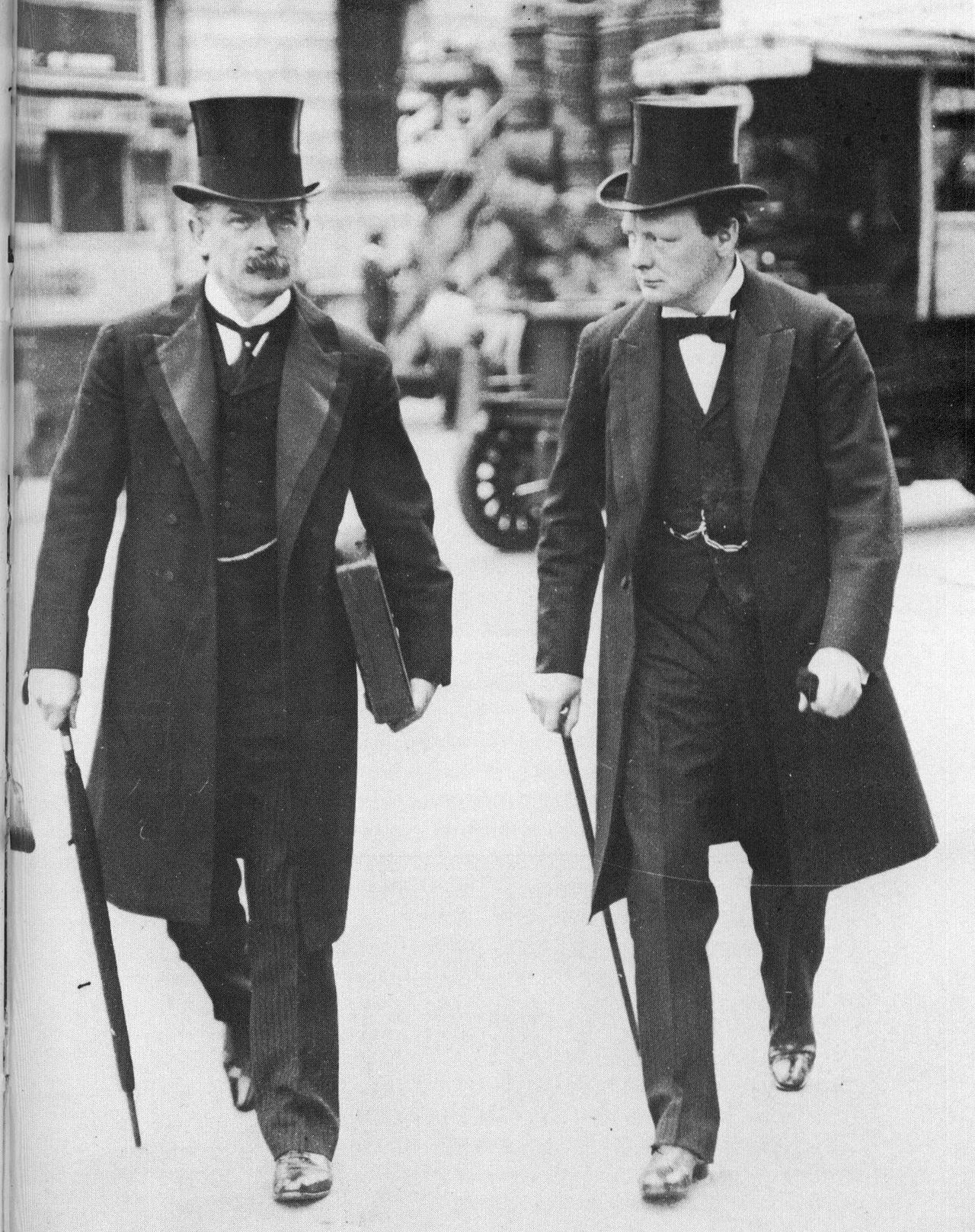



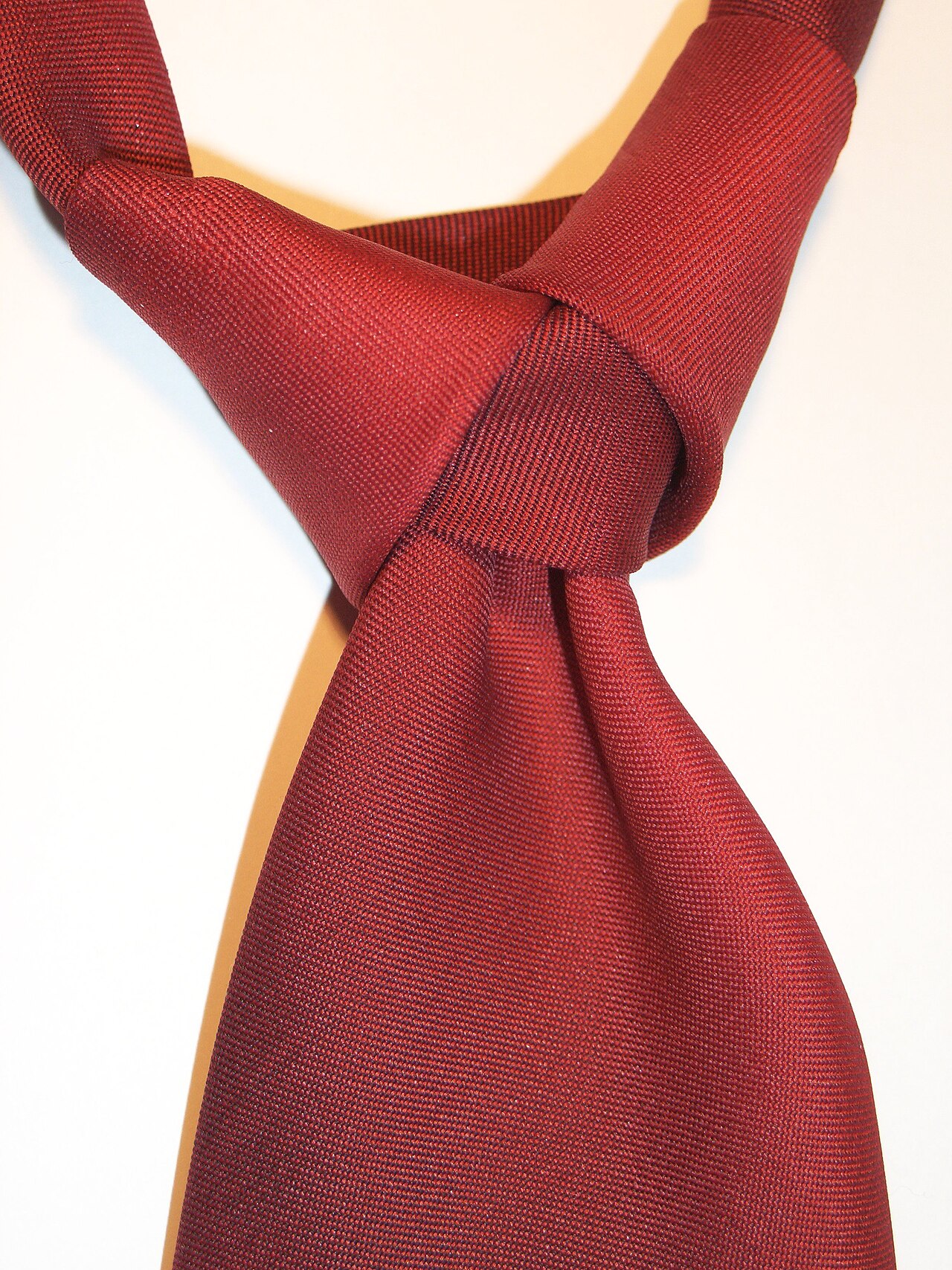

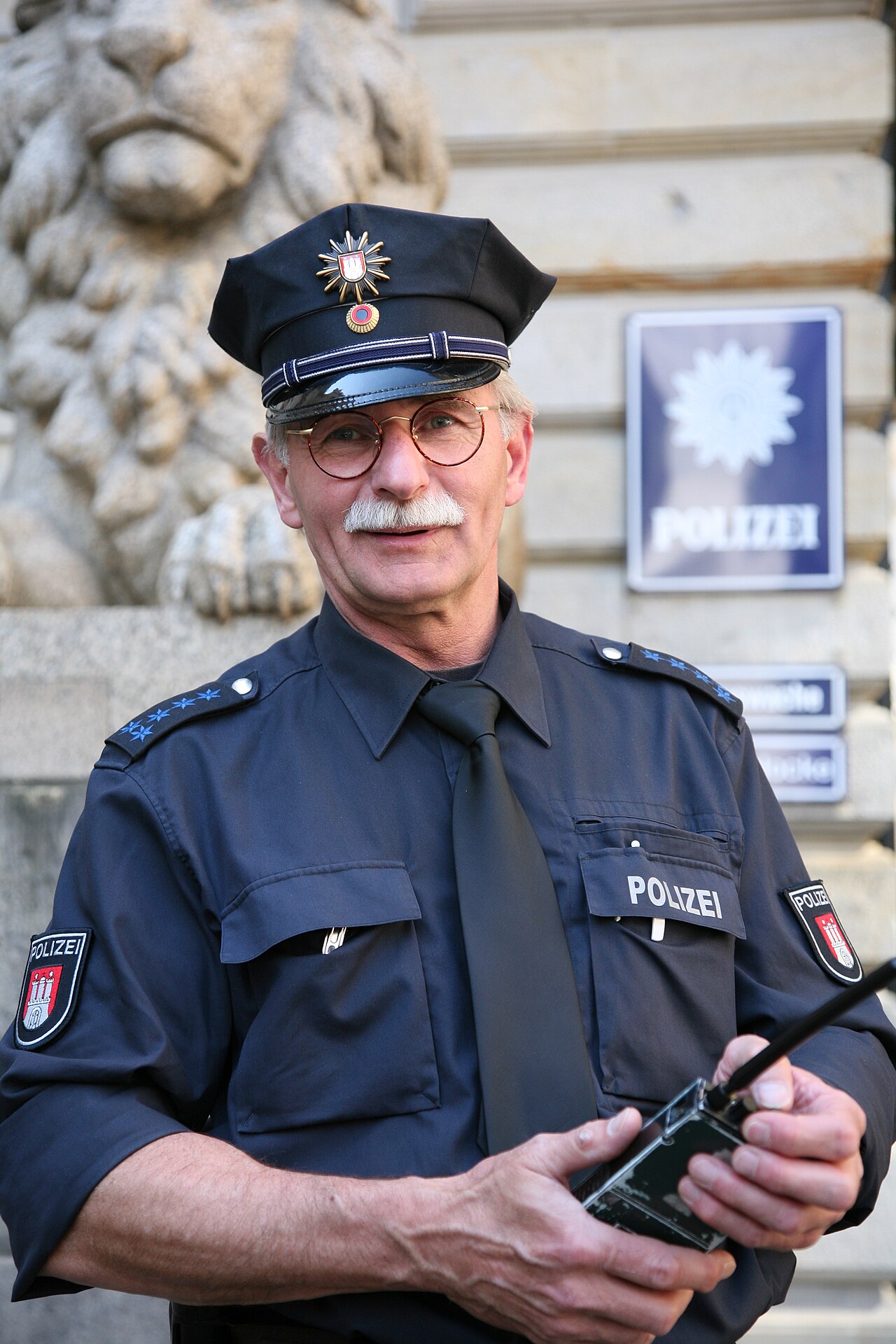

Materials and construction
Ties are made from a range of textiles. Common materials include silk and polyester, each with different feel and care requirements. Silk ties are prized for sheen and drape, while polyester and microfiber offer durability and lower cost. Other fabrics include wool, cotton, and knitted yarns. Many ties are constructed with a lining or interlining to give shape, and higher-quality examples use hand-rolled edges and sewn-in felts for balance. For material notes, compare options like silk and polyester.
History and development
The necktie evolved from earlier neckwear such as the cravat and stocks worn in Europe from the 17th century onward. Soldiers and traders introduced neck cloths that became fashionable, and by the 19th century a variety of narrow and wide ties developed into modern forms. Over the 20th century, the necktie diversified into styles reflecting fashion trends, social codes, and workplace norms.
Knots, styles and variations
There are many ways to tie a necktie; common knots include the four-in-hand, the half-Windsor, and the full Windsor. Each knot produces a distinct shape and works better with particular collar styles. Related neckwear includes the bow tie, ascot and cravat, and regional variations such as the bolo tie. Typical pairings pair a necktie with a dress shirt; see guidelines for matching ties to dress shirts.
Uses, etiquette and care
Ties are used in business, legal and political settings as part of formal dress codes; they are also common in school uniforms, religious services, and ceremonial occasions. For workplace contexts consult resources on business, law, and politics for customary expectations. Care recommendations vary by fabric: silk ties are typically dry-cleaned or spot-cleaned, while synthetic ties can often be hand-washed or steamed to remove wrinkles. Simple maintenance and correct knot choice extend the life and appearance of a tie.
Notable facts and distinctions
- Necktie length and width have varied with fashion: narrow in some eras and wider in others.
- Bow ties and neckties serve different visual roles; a bow tie is often reserved for black-tie or formal wear.
- Tie patterns—stripes, solids, paisley, and small motifs—signal personal style and sometimes affiliation with schools, clubs, or regiments.
For further introductions and visual guides, consult beginner tie-tying tutorials and fabric care notes linked in authoritative style manuals.
Additional references: introduction, materials overview at silk and synthetic, workplace dress guidance for business, law and politics, and clothing basics at dress shirts.
Related articles
Author
AlegsaOnline.com Necktie Leandro Alegsa
URL: https://en.alegsaonline.com/art/68964