
Panties (Women's Underwear): Types, Materials, and Uses
A concise overview of panties (women's undergarments): common styles, materials, historical background, practical uses, and care considerations for everyday wear and specialized needs.
Panties are a category of close-fitting lower-body garments worn primarily by women as a layer of underwear. Also known by terms such as knickers, briefs, underpants, or informally as undies, panties vary widely in cut, coverage and intended function. They serve practical roles—hygiene, comfort and support—as well as aesthetic and fashion purposes.
Image gallery
10 Images
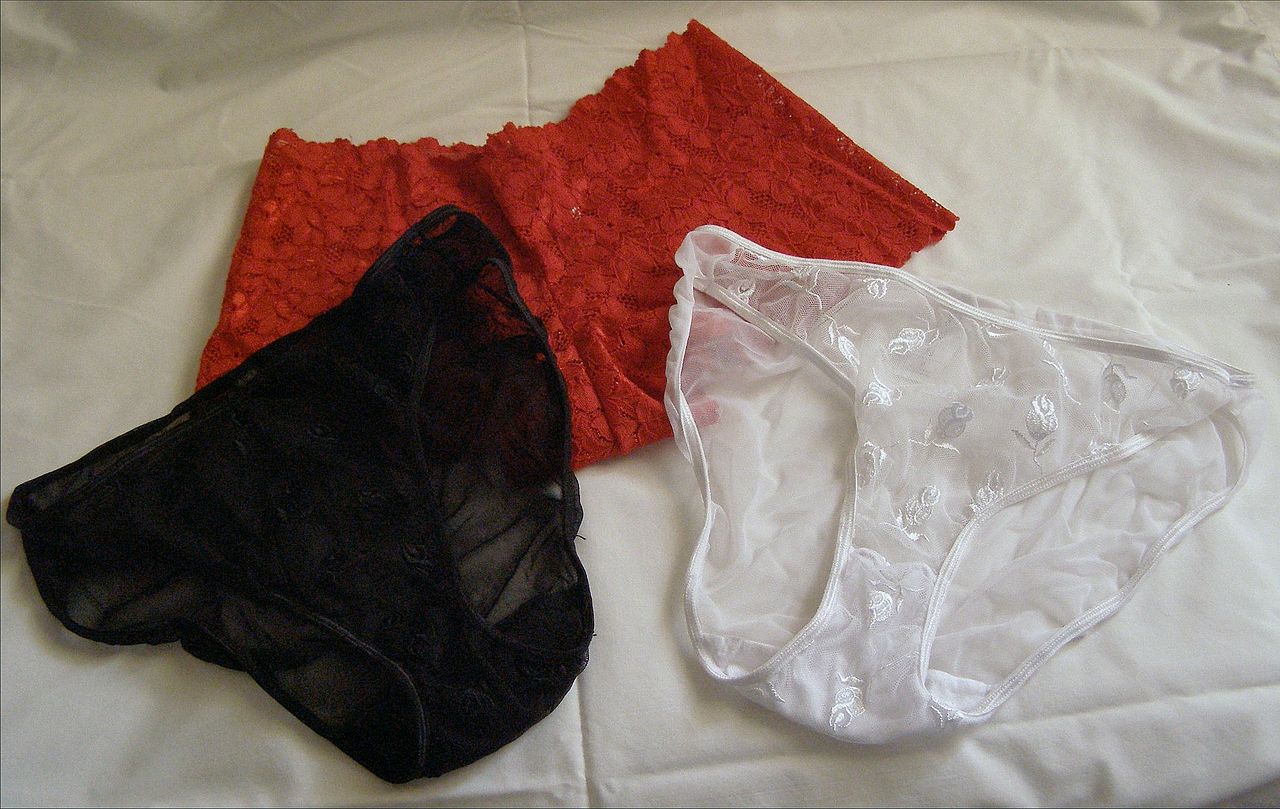

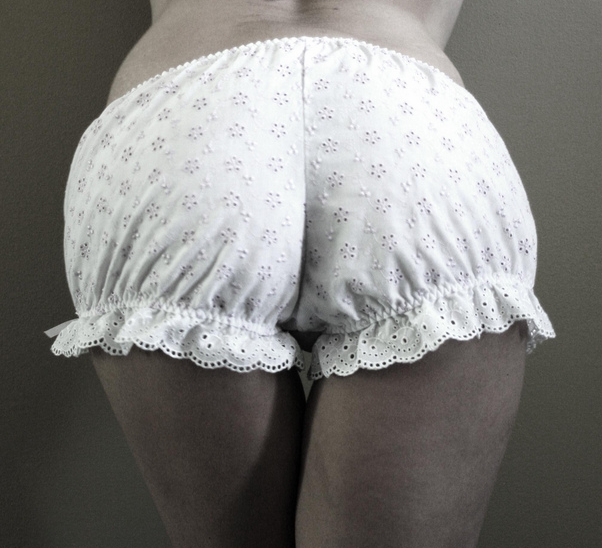


Common styles and shapes
- Bikini: a mid-hip cut with relatively narrow sides that resembles a bikini bottom; often noted for a balance of coverage and minimalism (bikini).
- Briefs: traditional full-coverage styles with a waistline at or above the hips, sometimes called full cut.
- High-waist / control: higher rise styles that sit at or above the natural waistline and can offer more shaping; often associated with more conservative or classic silhouettes (high-waist, conservative styling).
- Thongs and G-strings: minimal rear coverage designed to avoid visible panty lines.
- Boyshorts and hipsters: inspired by shorts, offering fuller side coverage and a straighter leg line.
- Specialized types: period underwear, maternity briefs, shaping garments and performance styles for sport.
Materials and decoration
Panties are made from a mix of natural and synthetic fabrics chosen for comfort, breathability and appearance. Common materials include silk and satin for luxury, cotton for everyday breathability, and blends with elastane for stretch. Decorative elements such as lace or satin trims (satin) are frequently used to enhance aesthetics. Construction details—elasticated waistbands, gussets, seams and stitch types—affect fit and durability.
History and cultural context
Underwear for the lower torso has existed in various forms for millennia, from simple loincloths to tailored garments. The modern variety of panties evolved with changes in textile technology, mass manufacturing and shifting social attitudes toward dress and body image. Regional vocabulary differs: "knickers" is common in British English while "panties" and "undies" are prevalent in American usage.
Uses, fit and care
Choosing panties involves considering fabric, cut and intended activity. Cotton or breathable blends are recommended for daily wear and intimate hygiene; moisture-wicking synthetics are used for athletic wear. Care instructions depend on fabric—many delicate items advise gentle washing or hand laundering to preserve elastic and trims. Proper fit reduces chafing, avoids visible lines under clothing and supports comfort throughout the day.
Notable distinctions
Design choices reflect trade-offs between coverage, invisibility under clothing and fashion. Full-cut panties prioritize comfort, low-rise and thongs prioritize minimal visibility, and high-waist or shaping styles emphasize support. Panties continue to be adapted for performance, sustainability (use of organic or recycled fibers), and health-specific needs such as period protection or post-surgical garments.
For comparisons of styles and care guides, see additional resources: overview, style guide, fit tips, cultural notes, fabric types, cotton benefits, satin and finishes, lace and trims.
Related articles
Author
AlegsaOnline.com Panties (Women's Underwear): Types, Materials, and Uses Leandro Alegsa
URL: https://en.alegsaonline.com/art/74397